These six products proved their worth on two savage ultra-endurance races | Oscar Huckle’s Gear of the Year 2025

Features
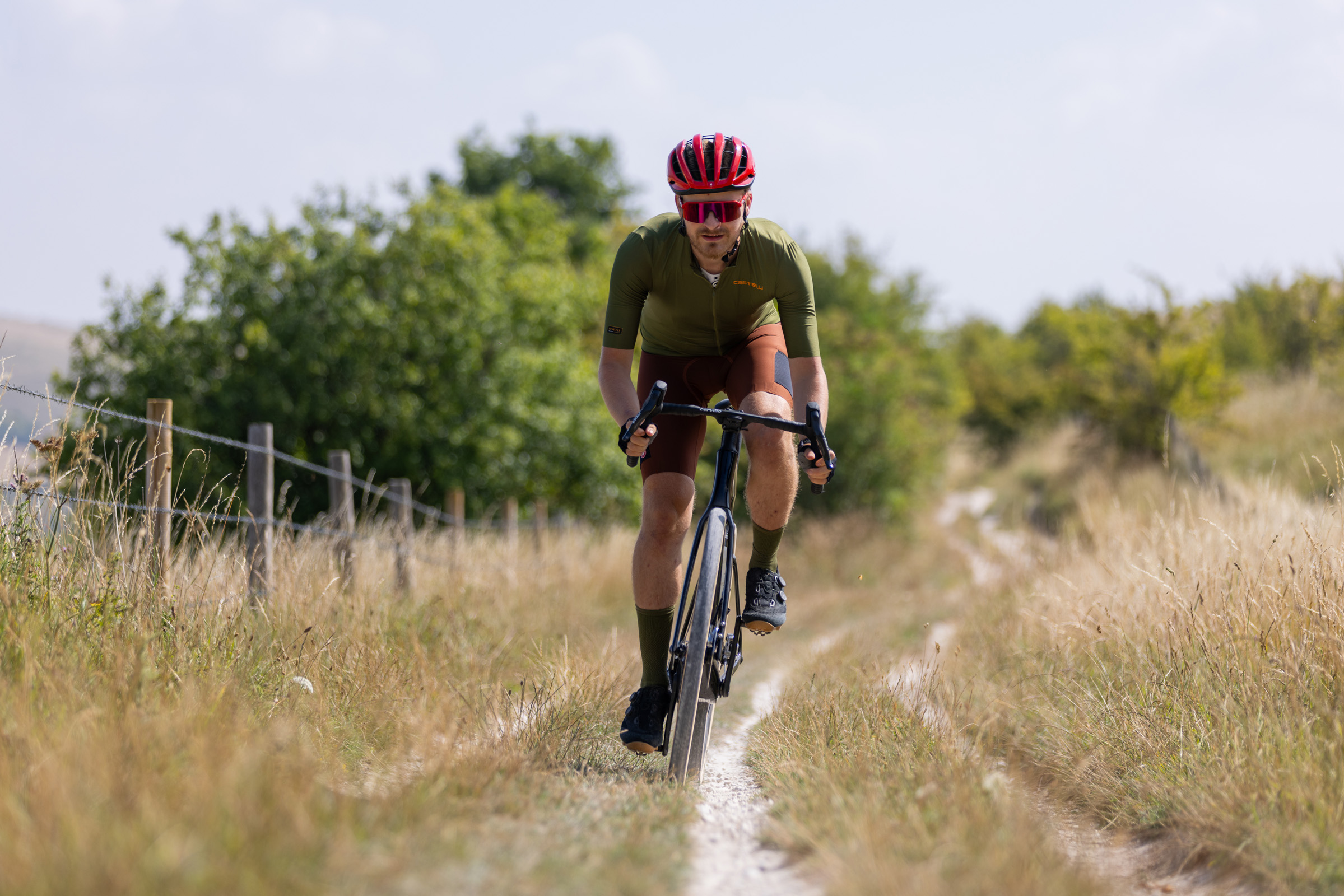
Oscar Huckle riding a Cervelo Aspero

After completing my first two gravel ultra-endurance races in 2024, I decided to add another two medals to my collection in 2025 – and I managed to successfully complete both. 

First up was Mother North, a 1,008km loop in Norway with a mighty 16,781m elevation. Although the country’s pristine Champagne gravel network wasn’t overly technical, the elevation and rather iffy weather definitely made this ride rather challenging. 

My major low was having to ride 60km in the worst thunderstorm of my life through a remote area to a pre-booked hotel and coming dangerously close to catching hypothermia. But descending off the top of a glacier that opened up with views of the fjords is a memory that will be seared into my brain for a very long time. 

Next was Across Andes, an 806km route in the La Araucania region of Chile with 12,111m elevation. Although those stats are less impressive, I severely underestimated this race’s difficulty. 

Chilean gravel is unlike anything I have ever ridden and the palm-pummeling terrain required lots of concentration and care, with steep climbs galore and a generous dose of hike-a-bike. The first day in particular came close to breaking me. 

Both races have given me memories to last a lifetime. 

Another highlight outside of my races was bikepacking the Traversée du Massif Vosgien with two friends in France. I’ve also enjoyed my fair share of epic road and gravel rides at home here in the UK too. 

Naturally, my six Gear of the Year picks are items I’ve relied on during racing and training, so you can be rest assured they’ve been thoroughly tested! 

Big Agnes Fly Creek HV UL1 Bikepacking Tent 
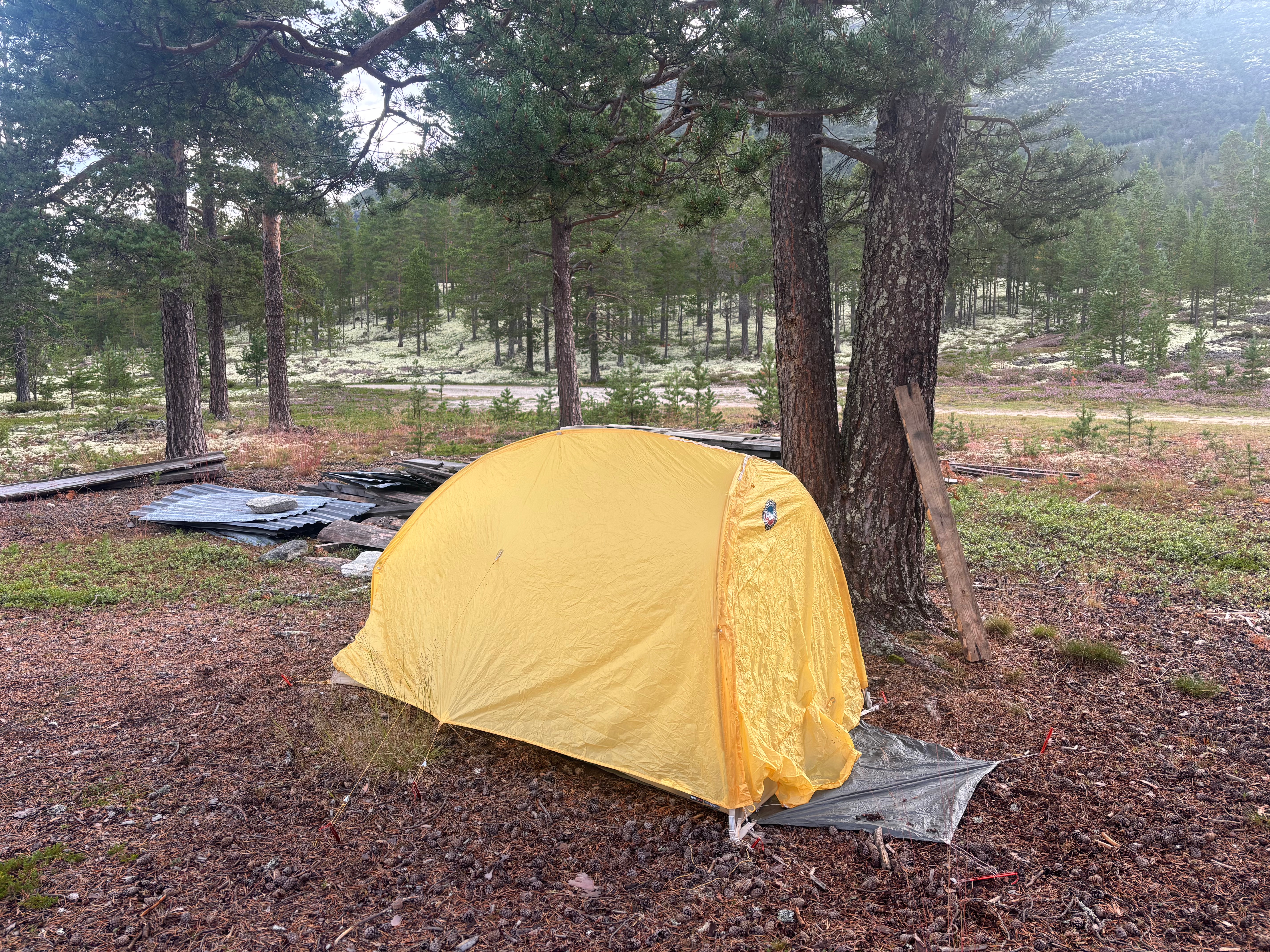
Big Agnes Fly Creek HV UL1 Bikepacking Tent pitched under a tree
This tent accompanied me on four adventures this year. Oscar Huckle / The Cycling Meister

While you don’t need the most expensive tent to go bikepacking, a premium option certainly helps in terms of weight and overall footprint – and this Big Agnes tent has become a firm favourite. 

This bikepacking-specific Fly Creek uses a shorter 12in Shortstik Poleset over the DAC Featherlite NFL pole system found on the backpacking variants, saving 11cm. 

Big Agnes also incorporates some cycling-friendly features, such as a helmet holder on the outside and daisy chain webbing to hang clothes off – features I’ve made great use of.    

Although only a one-person tent, I find there’s enough room to not feel claustrophobic when inside. 

It all easily fits into a pack, which can function as a handlebar bag, although I prefer to keep the packed tent in my Tailfin CargoPack or inside a separate bar bag, so I can combine it with other items. 
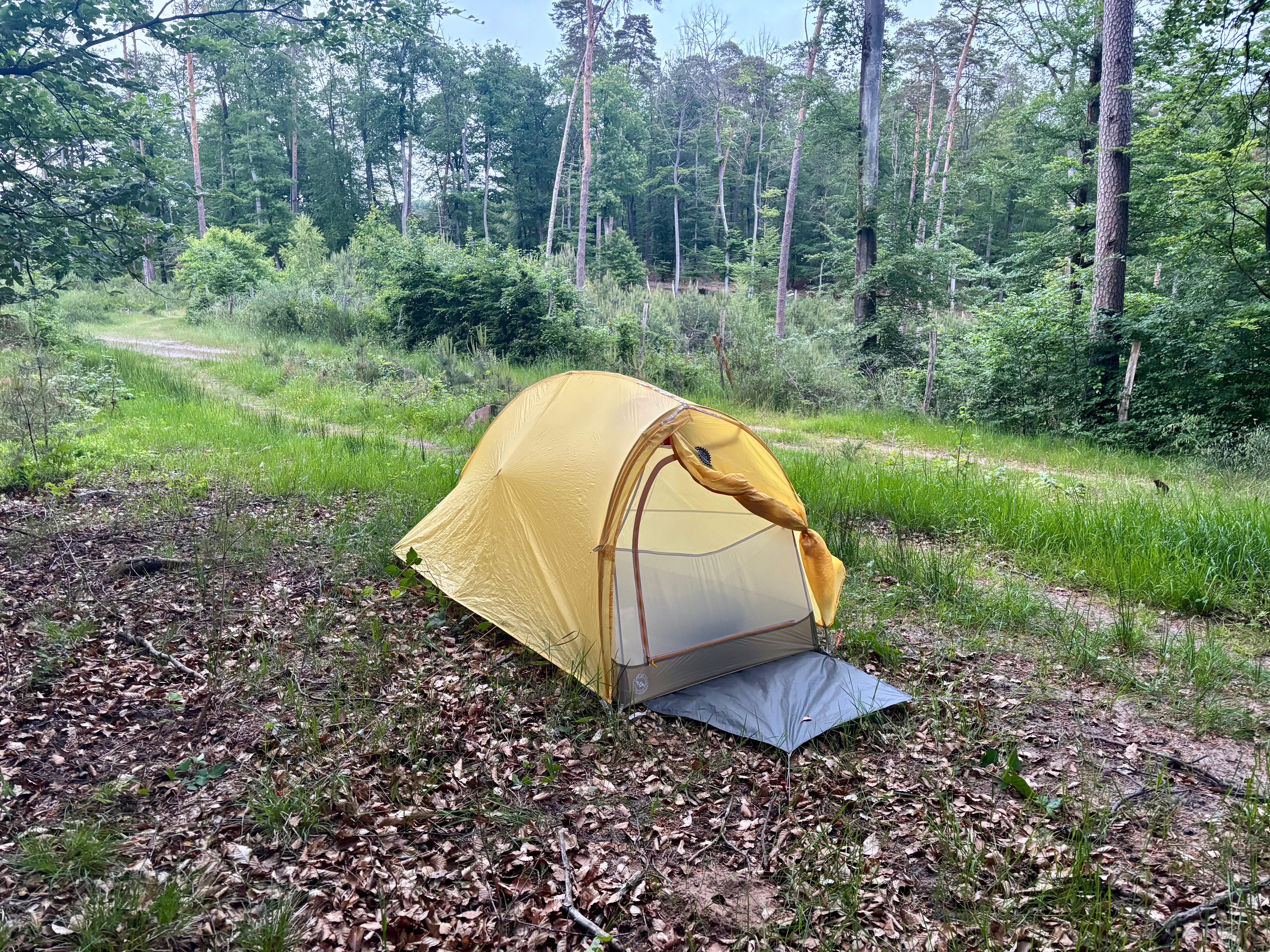
Big Agnes Fly Creek HV UL1 tent in a forest
I’d recommend investing in the footprint. Oscar Huckle / The Cycling Meister

The Fly Creek has accompanied me on four trips this year – both the aforementioned races (although it wasn’t used at all in Chile), my French bikepacking jolly and a weekend trip on the Trans-Cambrian Way in Wales. 

All these rides went through some very remote terrain, where there were no guarantees of a warm bed and camping meant I didn’t have to stick to pre-planned accommodation. 

I carry a dedicated footprint for the tent too (£60), which I’d recommend to protect your investment even if it adds another 143g. 

Sure, you can spend more for an even lighter option, but the Fly Creek HV UL1 strikes a nice balance between low weight and comfort. 

  • £499.99

Garmin Edge 1040 Solar

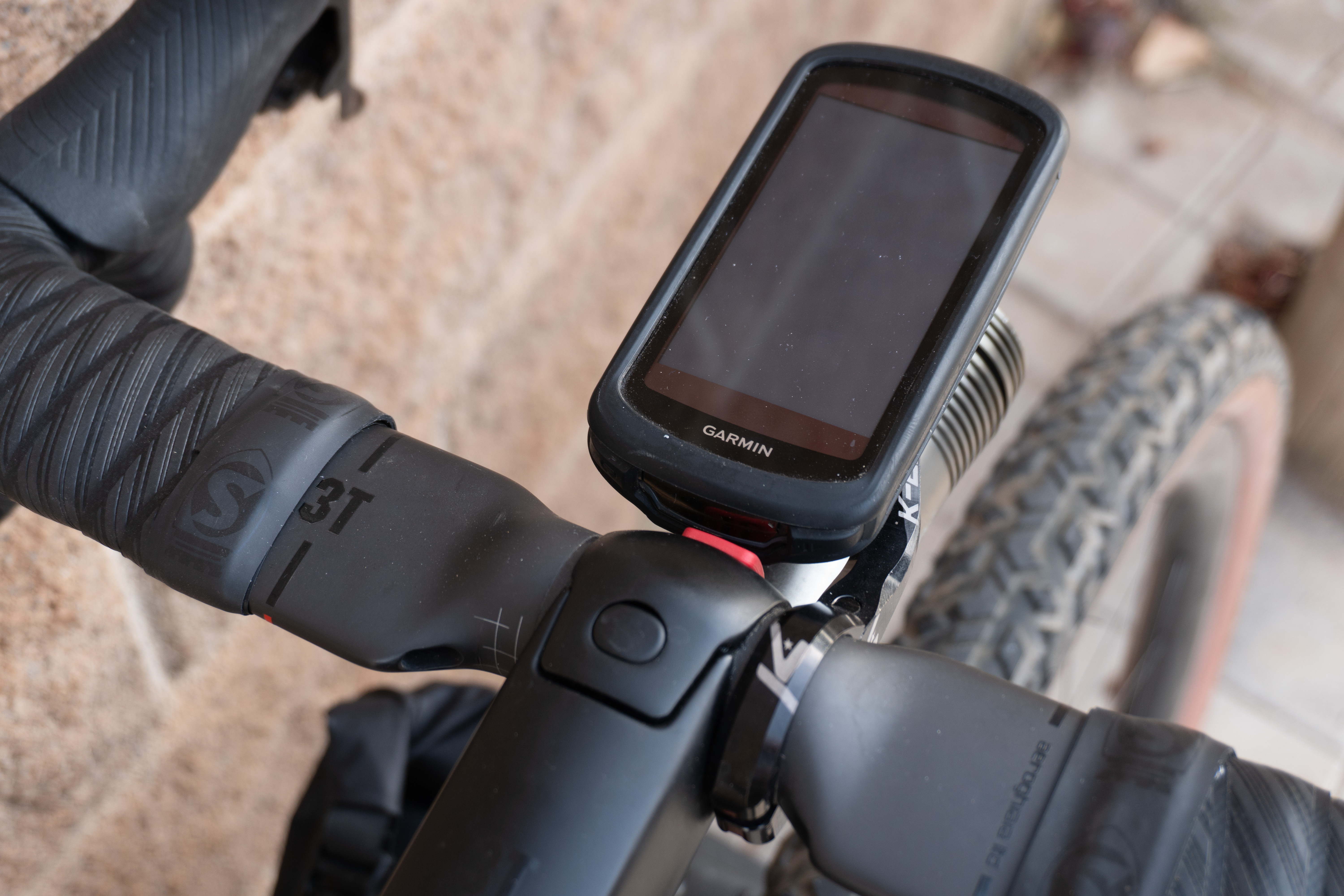
Garmin Edge 1040 Solar and Exposure Maxx-D light on 3T Extrema Italia
This is one seriously powerful computer. Oscar Huckle / The Cycling Meister

Although it’s now been superseded by the Edge 1050, the 1040 Solar is where the party’s really at if battery life is your primary concern. 

Launched in June 2022, the Edge 1040 Solar runs up to a claimed 100 hours by recharging via sunlight, while offering improved GPS accuracy and more data analytics. It was also the first Edge computer to ditch the micro-USB charge port for USB-C. 

I’ve had my 1040 Solar for 18 months now and it hasn’t missed a beat. While I’ve traditionally stuck to Garmin’s second-tier 800-series computers (I owned an Edge 810 and then an 830), I love the 1040 Solar’s larger display with its clear navigation and solid-feeling build quality.  

The solar charging is what I really wanted though – I found my Edge 830 would last about a day and I had to give it a 20-minute boost during the 408km Paddington Express audax I completed in 2023. 

I have to juggle charging many things while bikepacking and not having to worry about keeping a bike computer constantly topped up has been a real boon. 
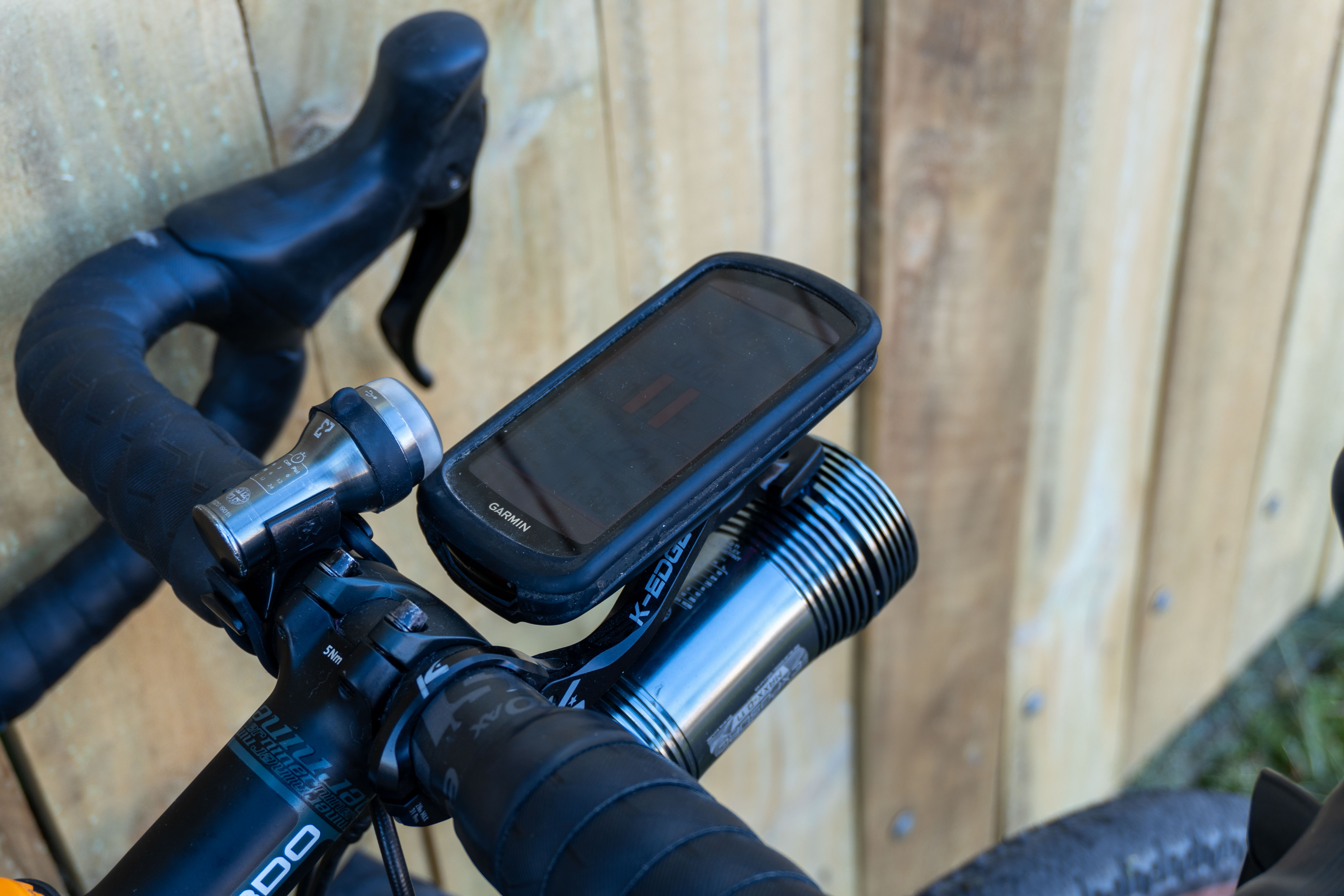
Garmin Edge 1040 Solar mounted to a bicycle
The solar charging feature works brilliantly. Oscar Huckle / The Cycling Meister

I find I’ll get about two-and-a-half days use out of my device – and it lasted even longer when I raced Badlands in the sweltering Andalucian heat. 

While I’m sure the newer Edge 1050 is a very good successor with its improved screen, its reduction to a claimed 20 hours battery life (from the 35 hours of the non-solar Edge 1040) completely befuddles me – you’ll have to pry my Edge 1040 Solar out of my cold, dead hands… 

  • £579.99 / $749.99 / €699.99 / AU$1,299.99

Ornot Micro Grid Jersey

Oscar Huckle riding Mother North wearing an Ornot Micro Grid Jersey
This jersey has been one of my go-tos this year. Andrea Peruzzo

The Micro Grid Jersey is an interesting take on a jersey that aims to keep you cool in warmer temperatures and warm in cooler climates, with Ornot suggesting a wide 13 to 22ºC temperature range, but says that can be easily extended if used as a layer.

The jersey’s secret sauce is the Polartec Power Grid fabric, which is designed to trap heat when paired with another layer but allows excellent airflow, thanks to its lightweight fabric and fine grid structure.

I go through a lot of clothing and I’ll confess it took me almost a year between receiving this jersey and taking it out on its maiden voyage.

I took it with me on a long weekend to Shropshire – a short break where cycling wasn’t the main focus, but I took my road bike with me for a couple of morning rides with cold starts.

True to Ornot’s word, I was instantly impressed by its warmth in the cool and breathability when things got warmer, as well as its excellent fit.
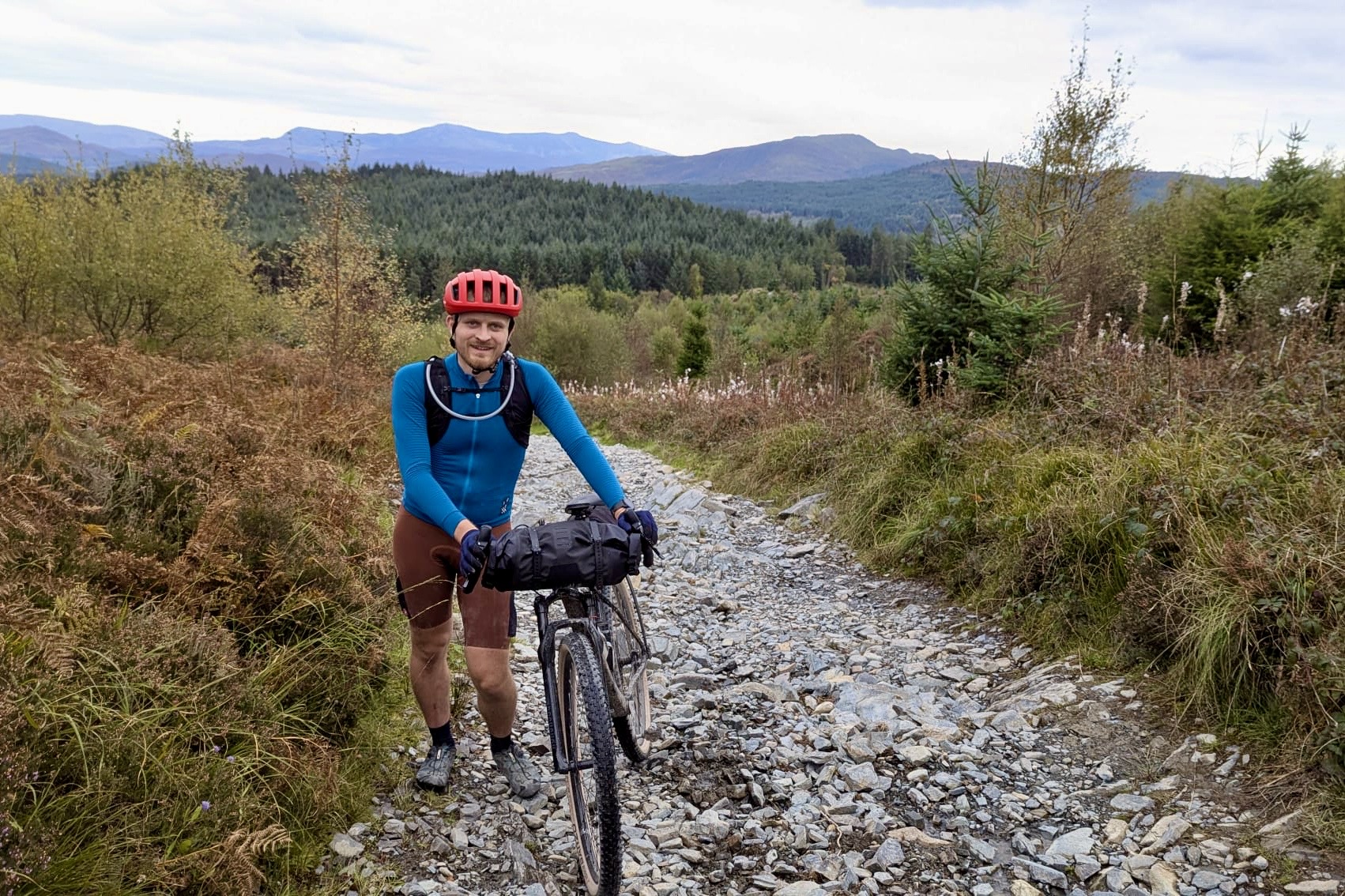
Oscar Huckle riding Traws Eryri wearing an Ornot Micro Grid Jersey
It’s a very versatile piece of kit. Robert O’Keefe / The Cycling Meister

It’s since become a firm favourite and joined me on both of my ultras, where it saw regular use.

I’ve found I’m happy to wear this jersey with a long-sleeve baselayer down to about 9ºC, but I’ll opt for a summer jersey for when it’s over 18ºC – I tend to run warmer than others, which is why it doesn’t quite meet that 22ºC claim for me.

With Ornot based in San Francisco, the only bummer are the hefty import bills I’d likely be stung with if I ponied up for a second jersey… 

  • $162

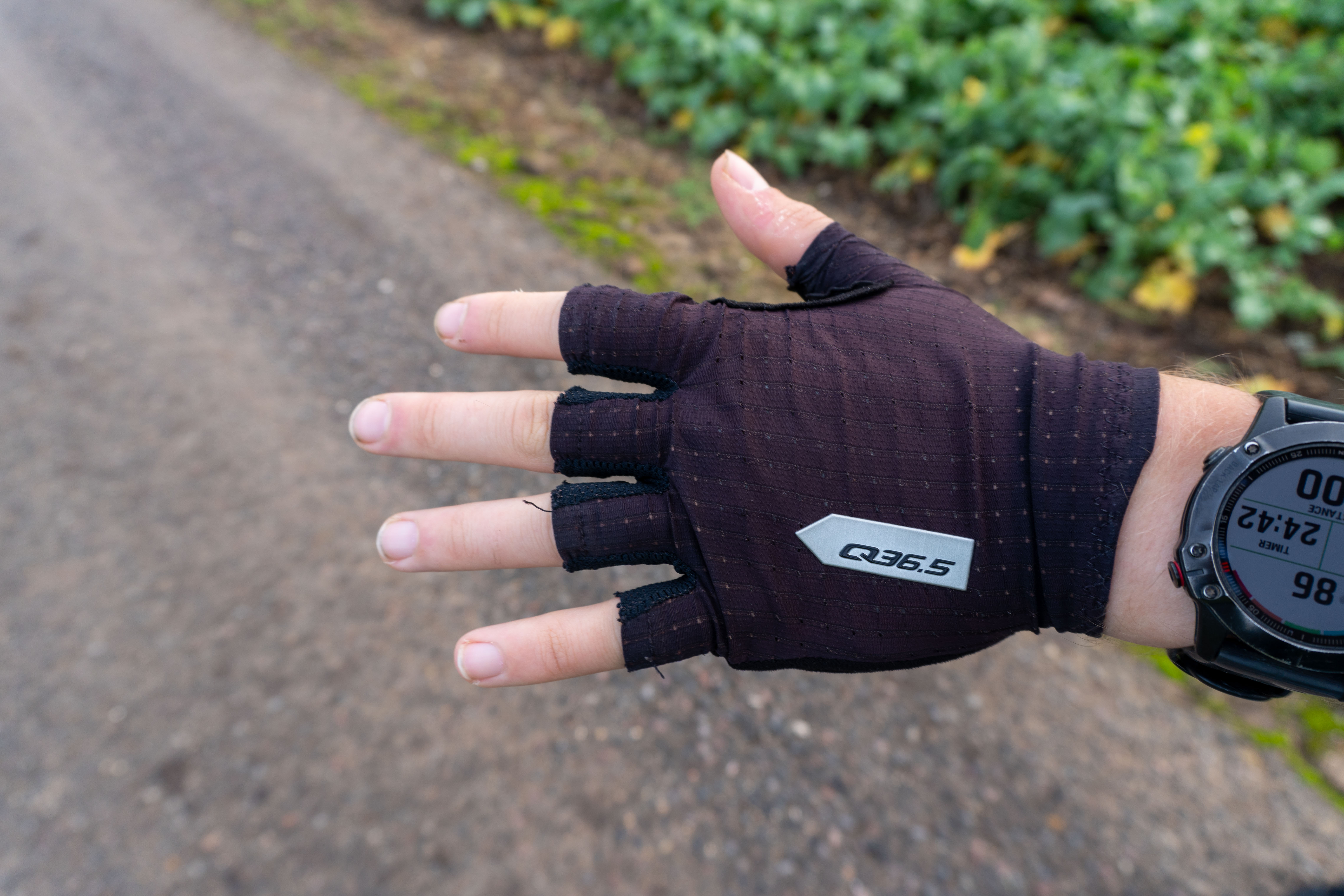
Q36.5 Dottore Pro summer gloves

Q36.5 Dottore Pro gloves
I’ve finally found my new benchmark pair of gloves. Oscar Huckle / The Cycling Meister


After almost five years, I’ve finally found a worthy successor to my luxuriously comfortable Castelli Rosso Corsa Pro gloves. 

Before stumbling across the Q36.5’s, I’d struggled to find anything that fitted me as well and took the sting out of vibrations as well as my beloved Castelli’s.

Various options from Assos and Velocio came close, but nothing ever quite cut the mustard. Things reached a climax where I’d solely reserve my Castelli’s for bikepacking trips or ultra-races – I’ve had to resew one of the seams three times now.

Imagine my relief when the Q36.5 Dottore Pros entered my life, a pair of gloves that finally proved a match for the Castelli’s comfort.

I also discovered the Castelli Premio Evo gloves this year – another set that have earned my approval over long rides, but these Q36.5’s narrowly trump them.
Q36.5 Dottore Pro gloves
They’ve seen plenty of use this year. Oscar Huckle / The Cycling Meister

The Dottore Pros have kept my paws comfortable on lots of my long distance escapades this year, although they interestingly fell short on the seriously shaky Chilean gravel where my palms started to get red on the second day.

But I’ve never ridden such savage gravel and I reckon any glove would have struggled.

My major mistake with my old Rosso Corsa Pros was not investing in a second pair – I’m wisely already in possession of a second pair of these. 

  • £50 / $68 / €50 

Schwalbe G-One RS Pro tyres
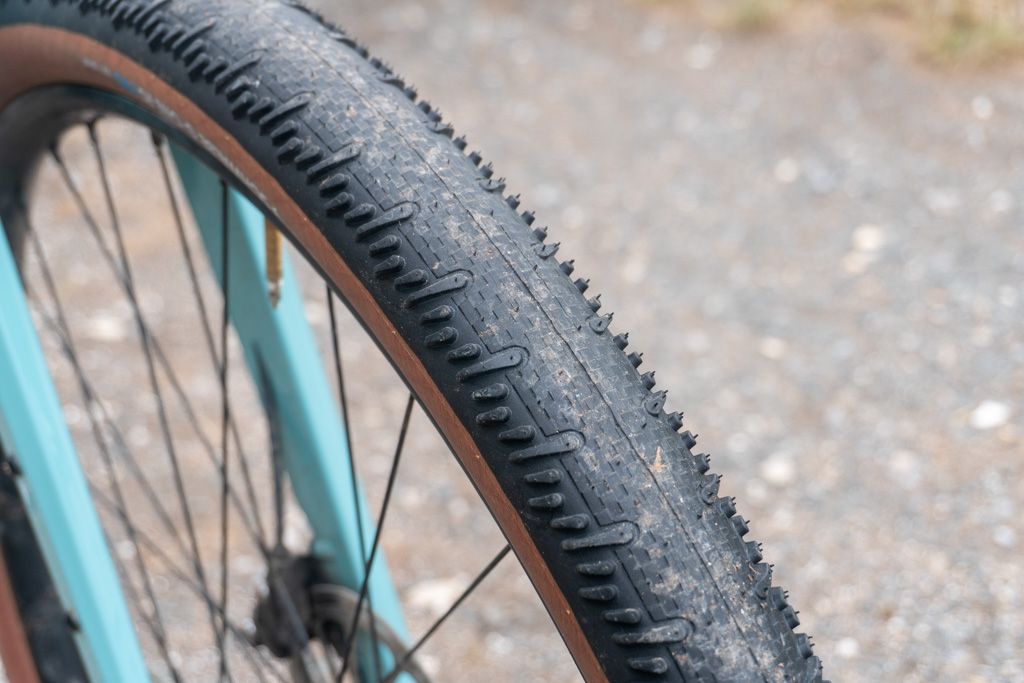
Schwalbe G-One RS Pro tyres
These hardback tyres are more versatile than they’d appear. Oscar Huckle / The Cycling Meister

I’ve tested lots of gravel tyres this year and Schwalbe’s G-One RS Pros stood out from the crowd – they’re excellent hardpack-oriented rubber that are more capable than they look. 

Claimed by Schwalbe to be its “fastest gravel tyre”, it has a striking tread pattern and semi-slick design. The edge knobs alternate between large teardrop shapes, with three smaller ones in between. 

If you think they look a lot like the old RS Pros, you’d be right but the two updates here are these tyres feature Schwalbe’s new Race Pro construction, designed to offer lower rolling resistance and improve comfort, while boosting puncture resistance. 

The Addix race rubber compound has also been updated and is claimed to have a 10 per cent reduction in rolling resitance and improved grip on the shoulders. 
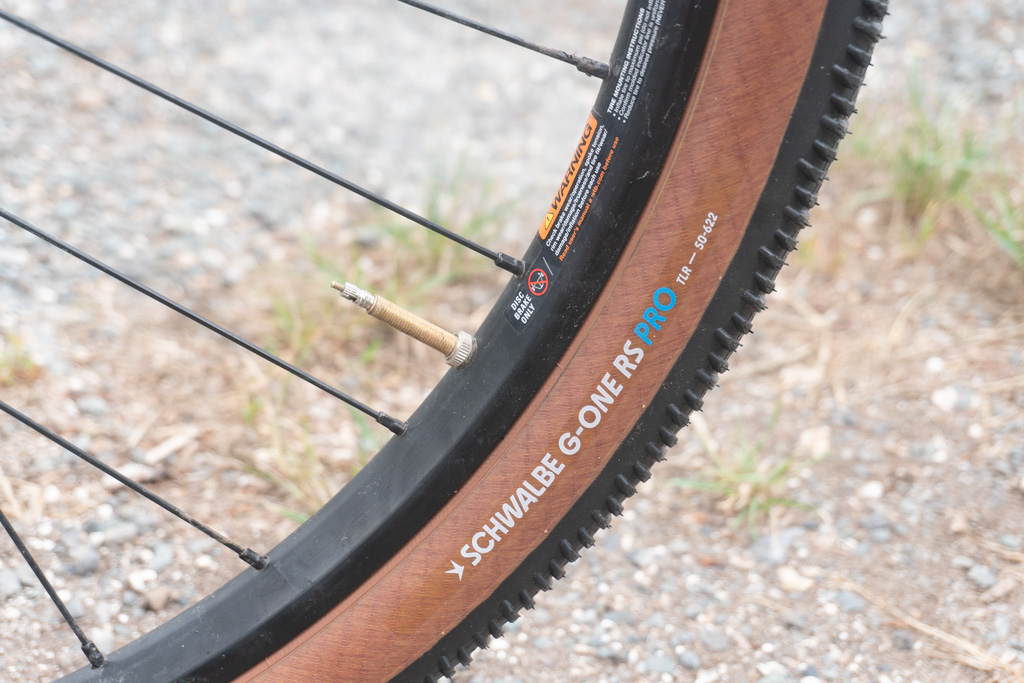
Schwalbe G-One RS Pro tyres
Alongside the Pirelli Cinturato Gravel H, I can’t think of a better hardback tyre. Oscar Huckle / The Cycling Meister

I’ve ridden over 2,200km on these tyres and used them on both of my races – I love their sheer speed and suppleness and those extended shoulder knobs really bite into corners. 

It doesn’t matter if the surfaces are wet or dry – the abundant grip is always there (understandably outside of mud) and they’ve tested very well in independent tests carried out by BicycleRollingResistance.com, generating 18.2W of rolling resistance at 28psi / 1.9 BAR in a 50mm size.

The tyre’s main weak point is their durability – this is very much race-focussed rubber and they’re also not cheap. 

But alongside the Pirelli Cinturato Gravel H (albeit for different reasons), the G-One RS Pros have become my benchmark hardpack tyre. 

  • £74.99 / $80.89 / €74.90 / AU$147.95

Tailfin CargoPack
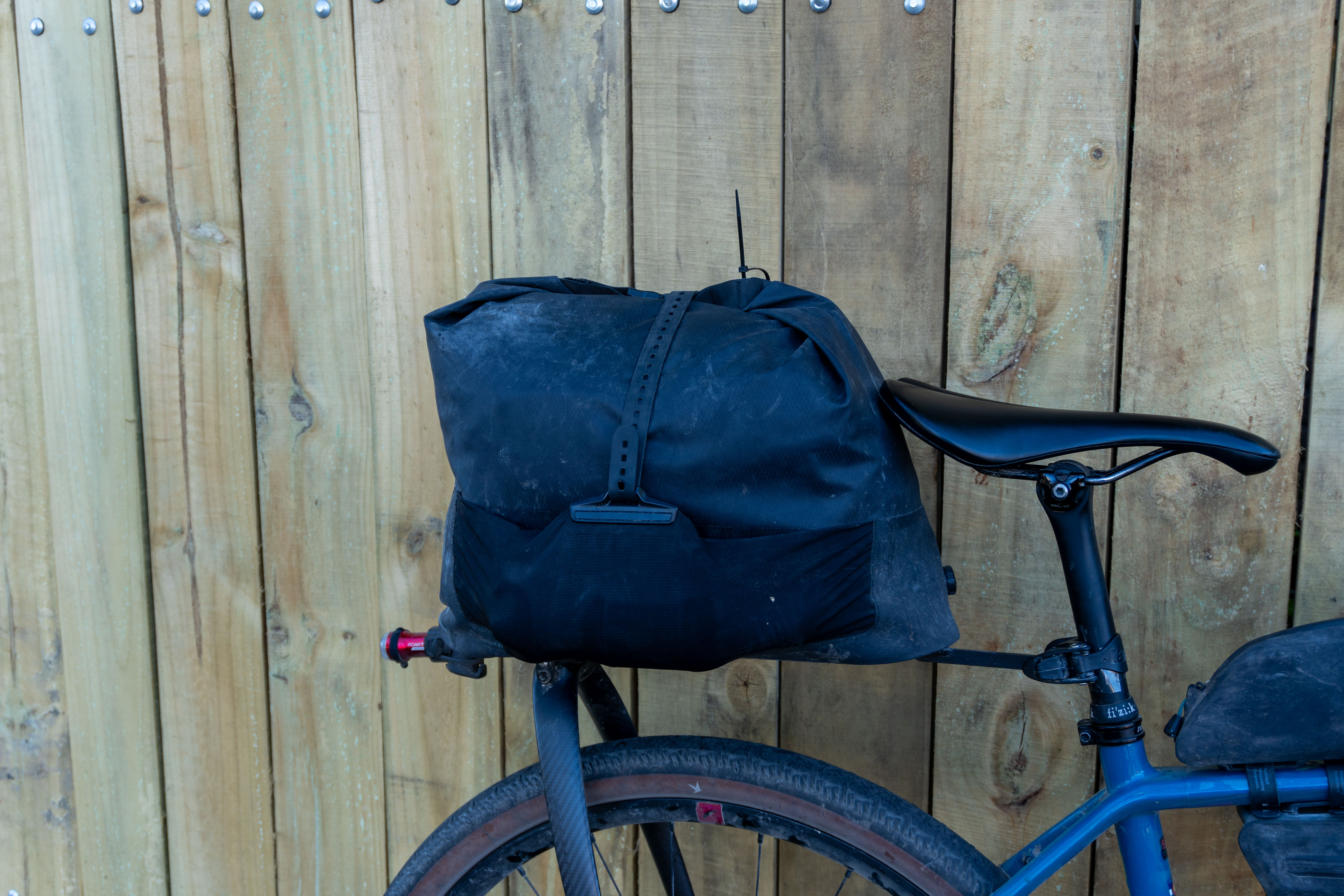
Tailfin CargoPack mounted to a Niner RLT 9 RDO
The CargoPack has been well travelled this year. Oscar Huckle / The Cycling Meister

The AeroPack took top honours in my Gear of the Year 2024, and Tailfin updated its rear-rack system to even better effect this year. 

The CargoPack is a development from the original AeroPack with expandable side mesh pockets for hauling up to three litres of extra cargo, and a simplified closure system. 

It does nothing to diminish its predecessor’s reputation – the updates prove welcome extras to a system that was already near-perfect. 

This pack has accompanied me on all my trips since April. Regardless of the contents inside, the CargoPack stayed rattle-free without a hint of sway, even when subject to the roughest terrain. This is a real problem with conventional bikepacking saddle bags – no matter how tight you pack them, a little bit of sway is an inevitability. 

Baguette strapped to a Tailfin AeroPack Cargo Pack
It’ll even carry a baguette! Oscar Huckle / The Cycling Meister

There’s a slight time saving with the simplified closure system because you don’t have to clip the roll-top closure into two places – perfect for when your brain isn’t fully engaged after bikepacking all day. 

The TPU strap keeps any cargo contents very secure, even when the pockets are completely full, and I like that you can really cinch it down.  

In terms of value, there’s no denying the CargoPack is a pricey proposition. But, like all Tailfin products I’ve tested to date, it justifies the high initial cost with its top performance and durability. 

It’ll no doubt be joining me on all my trips and races for the foreseeable future and I guarantee you’ll never return to a conventional saddle bag once you’ve tried this system. 

  • from £302 / $455 / €395 to £436 / $610 / €570.
Seven SRAM Successes (And Seven Aspects They Can Improve On)

Uncategorized

SRAM are the newest kids on the block out of the ‘Big Three’ groupset manufacturers (joining Shimano and Campagnolo), but they have left a sizeable impression on the market and have been instrumental in pushing the other brands with their rival technologies. SRAM generally start at a higher price point than Shimano, who is by far the dominant groupset manufacturer, and offer groupsets from the mid-range to the pinnacle of the sport. Here are seven areas where the American manufacturer succeed and seven aspects that they can improve on.

SUCCESS: Positive Shifting

Although some regard SRAM’s shifting as clunky, I love the fact that the shift is very positive. You know when you’ve changed gear as there is a satisfying ‘ker-clunk’ both when you action the shifter and when the rear mech derails the chain from the gear that it’s on and moves it to its selected gear. SRAM have also brought this over to their wireless groupsets, which makes it seem less alien and more akin to a mechanical system, even though it is far from it. Shimano’s shifting is more accurate and much faster, but markedly more vague.

FAIL: DUB Chainsets (and GXP)

A major turn-off when considering a SRAM groupset, why oh why do the crank bolts on SRAM’s chainsets require a Herculean effort to undo?! SRAM prescribe a very high torque of 48-54NM (most other chainsets of this design that feature one 8 or 10mm hex bolt tend to be around the 40NM mark) and trying to undo the bolt often resorts to exasperation if you’re trying to break the bolt by hand, an assistant (or two) to either help break the bolt or hold the bike, breaker bars of large proportions, swearing, impact guns, heat, freezing and more swearing. This was a big problem on their older GXP / BB30 chainsets but is even more prevalent on their DUB chainsets, a standard that was meant to simplify everything!

My most successful method is to try and undo the crank bolt before you start working or stripping the bike so that you don’t have to try and undo the bolt once you’ve removed the wheels and / or the rest of drivetrain. I like to use a toe strap to hold the non-driveside crank arm to the chainstay to stop it from moving and then use a ‘big boy’ breaker bar.

Once you’ve finally broken the bolt free, you hear a sound reminiscent of a gunshot, often infused with the smell of smoke. If the bolt has been previous overtightened, it makes life even harder and I have seen some chainsets in the workshop of the company that I work at being left on as to remove it would require destructive methods.

This really shouldn’t be a thing and I would highly recommend making sure you maintain the chainset regularly to avoid it seizing any worse. SRAM have also brought out a little-marketed steel crank bolt that weighs twice as much as the aluminium bolt that is used when you buy a chainset off-the-peg, which I have bought and recommend every owner buying, as it makes life much easier down the line for whoever is working on the bike.

SUCCESS: Wireless Technology

SRAM are perhaps most famous for pioneering wireless groupsets with their original eTap groupset and have now developed with their eTap AXS ecosystem. There are no wires whatsoever from the shifters to the mech, the shifters communicate with the mechs via AIREA (essentially SRAM’s version of Bluetooth) and both mechs have removable batteries on them. It’s a refreshingly simplistic and innovative system and it’s always satisfying when you are working on a bike that doesn’t require the hassle of internal cable routing as you can literally just bolt on the four (or three if you are running 1x) components of the system once they are paired. If you’re working on one of the latest integrated bikes where cables or wires run through the bar, stem and then down the side of a proprietary profiled steerer tube before heading through the frame, it makes the job even easier as you just have the hydraulic hoses to route.

At the time of writing, both Campagnolo and Shimano’s electronic groupsets are wired and in the case of Shimano, their upcoming, redeveloped Dura-Ace groupset doesn’t seem to be completely wireless from some publications’ sneak peeks.

FAIL: Front Shifting

SRAM’s front shifting has never been on par with Shimano or Campagnolo and the Yaw front mechs are particularly finicky to set up. SRAM’s Yaw technology denotes that the mech will work with the chain in every single gear combination and won’t rub as the mech pivots slightly to compensate for the alignment with the chain, rather than with Shimano and Campagnolo where you have to ‘trim’ the mech. A nice idea but a real headache to set up perfectly as it requires the mech to be at an optimum height and angle and there is no leeway for error. Even when it’s set up perfectly, the shifting still isn’t on the level of the brand’s rivals.

SUCCESS: 1x Drivetrains

Perhaps as a result of their inability to manufacture a proper front mech, SRAM have pioneered the 1x system. A 1x removes the front derailleur and the chainset has a single chainring, whilst the cassette has a wider range cassette to compensate for the lost gear ratios. You save a little bit of weight as you omit the front mech, cable and housing for it and the front shifter, although the rear mech and cassette’s are heavier so the weight saving is marginal. Chain retention is much better as the rear mech has a clutch in it to stop the chain from slapping on the chainstay and the chainring has a narrow-wide tooth set up, again to better hold the chain and stop it from dropping. The result is a reliable and eerily quiet system which just plain works and SRAM’s Eagle mountain bike groupsets have further developed the scope of the technology with their now whopping 10-52t cassettes that are 12-speed. 1x isn’t the solution for every style of riding but I certainly think it is the case for off-road where the front mech is a mud magnet and both Shimano and Campagnolo followed suit reticently after SRAM’s market success.

FAIL: Road Shifter Cable Insertion

A problem now solved with the fact that their road groupsets are now almost exclusively wireless, it is often pot luck when you are trying to install a new gear cable in the shifter that you will get it through on your first couple of tries. Unlike Shimano where the cable logically emerges from the side of the shifter when you route it and you can then guide it into the outer housing, SRAM thought it was a good idea for the cable to route through the underside of the shifter where it then takes a tight 180 degree turn around a spool before emerging from the side of the shifter. A plain stupid idea and I’m glad it’s now mostly not a thing.

SUCCESS: Powerful Brakes with Excellent Modulation

A controversial point as many take offence to SRAM’s brakes in that they use DOT fluid, which is corrosive, and from the legacy of Avid brakes, particularly the Elixir’s, which I will agree were awful. But SRAM have reinvented their history with their past couple of generations of brake. I find SRAM brakes to have a confidence-inspiring level of power and they have excellent modulation. I’ll concede that perhaps DOT fluid is not the nicest of fluids to be dealing with but as long as you follow SRAM’s bleeding method, you will have a successful bleed far more than you would with Shimano. Shimano’s brakes suffer from a myriad of problems in their construction and the braking is more binary with more of an ‘on / off’ feel. SRAM’s contact adjustment of their higher level of brakes is a system that works really well and unlike Shimano where you have to cut the hose whenever you undo it (and then often have to replace it when you cut it too short if you are working on an integrated bike), this isn’t really a problem with SRAM.

FAIL: Quality Below Rival / GX Eagle

There has always been a marked difference in quality and reliability of SRAM’s components between groupsets, whereas Shimano’s groupsets often use the same technologies, just with heavier materials. On the road side, there is a marked difference between Apex (their entry offering), Rival and Force. Force feels far more smoother in its use of carbon construction and quality of the pivots / bearings.

There is a greater difference between SX and NX Eagle (SRAM’s entry mountain bike Eagle groupsets) and GX. Both SX and NX are very plasticky and the shifting is quite crude and I’ve seen many of the rear mech’s suffer ghost shifting. Shimano have the upper hand on the entry to mid level of mountain bike groupsets and their Deore groupset blows SX and NX out of the water. There is also a great difference between GX and XO (the first of SRAM’s two top offerings, with XX1 being the lightest weight, money-no-option groupset). The shift feels so much better on XO as the shifter uses a bearing and the chain is far smoother and longer-lasting.

A clear separation of quality between groupsets isn’t a bad thing and it’s the reason why users would spend more or less on one and SRAM perhaps take this a little too literally.

SUCCESS: Innovative Nature

SRAM have always been the best out of the ‘Big Three’ in announcing innovative products and trying to change conventions. Whilst in the case of DUB or Yaw front mechs, this isn’t for the best, in the case of their wireless groupsets or their unconventional chainring sizes on their road groupsets, they have completely reimagined the widely accepted gear ratio options. I’d rather see a brand take an ambitious risk and fail than adopt an ‘if it ain’t broke, don’t fix it’ mindset and you have to admire them for trying to shake things up.

FAIL: XD and XDR Standard

I appreciate that SRAM had to introduce a new freehub standard to work with the 10t cog on their cassettes but the XD / XDR standard isn’t quite there. The threads that the cassette fits onto are very fine and if you don’t religiously remove and maintain your cassette / freehub regularly, I have seen examples of cassettes fusing onto the freehub and having to be cut off. This shouldn’t be a thing and I hope SRAM can improve the system.

SUCCESS: Universal Mech Hanger

Although not all that prevalent at the time of writing, SRAM’s universal mech hanger is another example of the brand’s positive innovation and trying to redefine the generic constructs of cycling technology. Every frame uses its own proprietary mech hanger, which results in a careful Internet search of what hanger will work with your frame and then corroborating your findings by matching the profile of the hanger up with the profile on the screen. SRAM have introduced one universal standard and both Trek and Santa Cruz (as well as some other brands) have started to adopt this standard on their frames. I hope more brands get on board as this will resolve a problem that shouldn’t really exist.

FAIL: Bottom Brackets

The quality of SRAM’s bottom brackets is pretty shocking. Both Shimano and Campagnolo’s offerings are bombproof but SRAM’s are plasticky and don’t last very long. They just plain suck. SRAM have tried to simplify bottom bracket standards with their DUB system and the threaded variations seem better, but they are not up to standard compared with the competition. The press-fit DUB bottom brackets aren’t great and often require an ungodly amount of whomping to remove them from the BB shell.

SUCCESS: Availability

Although perhaps an unfair topic due to shortages in the coronavirus pandemic, I really admire that SRAM have always announced a product and it is in stock almost instantaneously, rather than announcing something where you then have to wait a while before you can actually buy it. Both Shimano and Campagnolo need to take a leaf out of SRAM’s book on this front.

FAIL: Road Lever Shape  

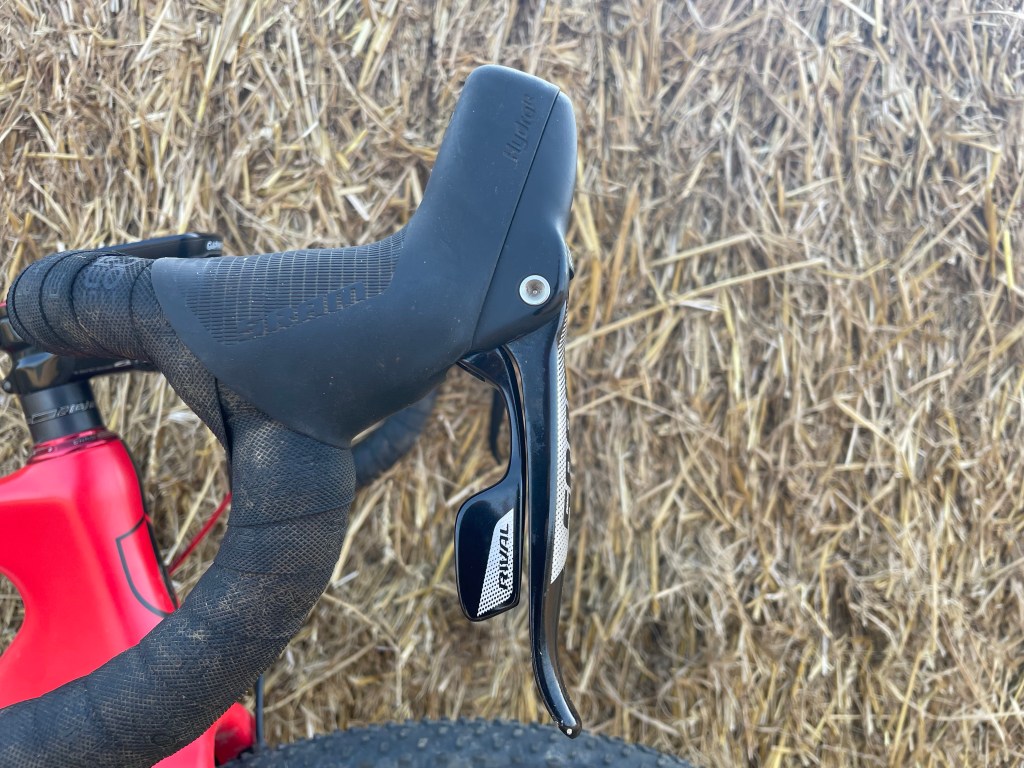
SRAM’s hydraulic road lever shape on their current generation of shifters isn’t a patch on Campagnolo’s, which is by far the best or Shimano’s, which is impressively small in profile but not quite as comfortable as the Italian brand. SRAM’s shifters are more bulbous and knob-shaped, which isn’t particularly ergonomic. Their previous hydraulic road or CX1 shifers were much better because even though they were taller, they were less bulbous in their circumference and far more ergonomic in the hand.


What are your thoughts on SRAM and where they succeed and fail? Let me know your opinions in the comments. If you enjoyed this article, you can read my article on Shimano’s successes and aspects they can improve on here.

Seven Shimano Successes (And Seven Aspects They Can Improve On)

Uncategorized

Shimano are by far the dominant groupset manufacturer out of the ‘Big Three’ (Shimano, Campagnolo and SRAM) and their products occupy the widest range of the market, with options catering from the low end to the very pinnacle. Both SRAM and Campagnolo’s lowest offerings start at a higher price point and comparable with Shimano’s mid-range options. Here are seven items where the Japanese manufacturer succeed and seven aspects that the brand are lacking in. 

SUCCESS: The Hollowtech Standard

The Hollowtech standard is Shimano’s patented standard where the cranks attach to the frame via two 5mm pinch bolts and a proprietary Hollowtech cap fitting. Shimano have been very stubborn in keeping this standard and haven’t really experimented with using carbon cranks, but the standard is probably the best one of attaching cranks to a bicycle frame. Most other manufacturers cranks attach via single larger bolt which requires a lot more effort to remove as it has a higher torque. With Hollowtech, the age old ‘if it ain’t broke, don’t fix it’ saying comes to mind and no other manufacturer’s system is as straightforward to work on as this. 

FAIL: Free Stroke Adjustment 

Shimano’s mountain bike brake levers have a free stroke adjustment which adjusts the contact point of when the pads touch the disc rotor. A nice idea but the problem is it doesn’t do anything… or if it does, the difference is imperceptible. Shimano have been stubborn in keeping on to this technology for years and they should just get rid of it if they can’t do it right. Compared to SRAM’s brake contact adjust that actually works, this is something that Shimano need to improve. 

SUCCESS: Front Shifting

Yes, the cycling industry keeps setting itself on 1x, but Shimano make a strong argument for 2x with the quality of their front shifting, that far outweigh its rivals. Shifts are light and snappy and their front mechs are far less temporal than SRAM’s Yaw design, which relies on perfect set-up for it to work properly. 

FAIL: Road Rear Derailleur Barrel Adjusters

This shouldn’t be a thing. Shimano barrel adjusters have been serviceable but specifically on Ultegra R8000 and Dura-Ace R9100, they have changed to a new design of barrel adjuster. The problem is it isn’t very good! The cheap plastic feel of the adjusters doesn’t feel nice and it is easy for them to round out. The amount of times I’ve resorted to adjusting the gears by manually pulling on the cables. This shouldn’t be a thing. 

SUCCESS: Di2 Ecosystem

Di2 is not flawless (the eTube app is rather reminiscent of a Windows XP program) and SRAM AXS boasts some advantages in that it is wireless, but Shimano’s system is far more refined and slick in its operation. The latest generation of Di2 is a very hard system for them to improve on and it is virtually impossible to fool the system. 

FAIL: Dura-Ace Cables

There’s no doubt that these top-of-the-line offerings sure feel nice when they’re installed and offer superb shifting and braking feel. Shifting and braking is silky smooth. The ugly side to these cables rears its head when you are trying to remove them to change for new cables. As you remove the inner cable, it likes to leave snakeskin so be prepared for having to pick this out and have fun if you’re going to reuse the outers! 

SUCCESS: Di2 Hydraulic Lever Hood Shape

It’s impressive how on Shimano’s current Di2 hydraulic offerings, that they have been able to get the size of the hood to be the same as their mechanical offerings. Both SRAM and Campagnolo’s hood shape for hydraulic shifts feel much larger in the hand and whilst this is good for some qualities, having a nice small sleek hood is excellent. 

FAIL: Chains

Shimano chains are noisy and just don’t last very long. Their stubbornness to use a quick link and rely on a joining pin is annoying and whilst they have brought out a quick-link on the latest group sets, it’s still not worth it. Switch to a KMC for a longer lasting and quieter experience. 

SUCCESS: Pedals

Shimano’s pedals are bombproof. I have serviced my pedals once in about 7 years and they still feel like new. If you do need to service them, servicing is straightforward and intuitive. Their SPD system is also great and no other off-road cleated system comes close. Other than for bike fit purposes, why would you choose to run anything else? 

FAIL: Road Disc Brakes 

A whole topic in itself. Shimano’s road disc brakes are just not very good. Where does one even start with their flaws? How about the on-off feel of the brakes and lack of precise modulation? Or the ceramic calliper pistons that are very easy to damage? Or the bleed screw made of chocolate that is easy to round out? Or how about if you take one look at the brake and it will choose to squeak and squeal and make all kinds of noises. I really hope Shimano focus on their disc brakes in their next updates of groupsets as this is the biggest thing holding the brand back. 

SUCCESS: Rim Brakes

Conversely, Shimano’s rim brakes are superb stoppers. The feel and modulation is phenomenal and they are easy to set up. If only they could apply this methodology to their disc brake offerings! 

FAIL: I-Spec

There’s nothing wrong with the standard per-say but it is fiddly when you have one hand with the Allen key trying to undo the clamp and another hand trying to push the release pin. I-Spec also does not play nicely with SRAM. 

SUCCESS: Adjustable Clutch

Shimano are the only manufacturer to offer an on-off switch on their clutch rear derailleurs. This is a good thing, particularly for gravel riding and makes wheel removal nice and straightforward as it’s far easier to flick a switch than to turn off the cage lock on SRAM. 

FAIL: Availability 

A bit of an unfair one in the current pandemic situation but let’s face it, even in conventional times, Shimano have always been poor on availability. They will release a product and it just won’t be available for months. Think about XTR for example where they announced it and then had to omit a certain technology before it could be released. SRAM are much better here in that when they release a product, it is pretty much immediately in stock. 


What are your thoughts on Shimano and where they succeed and fall short? Let me know your opinions in the comments. If you enjoyed this article, you can read my article on SRAM’s successes and aspects they can improve on here.