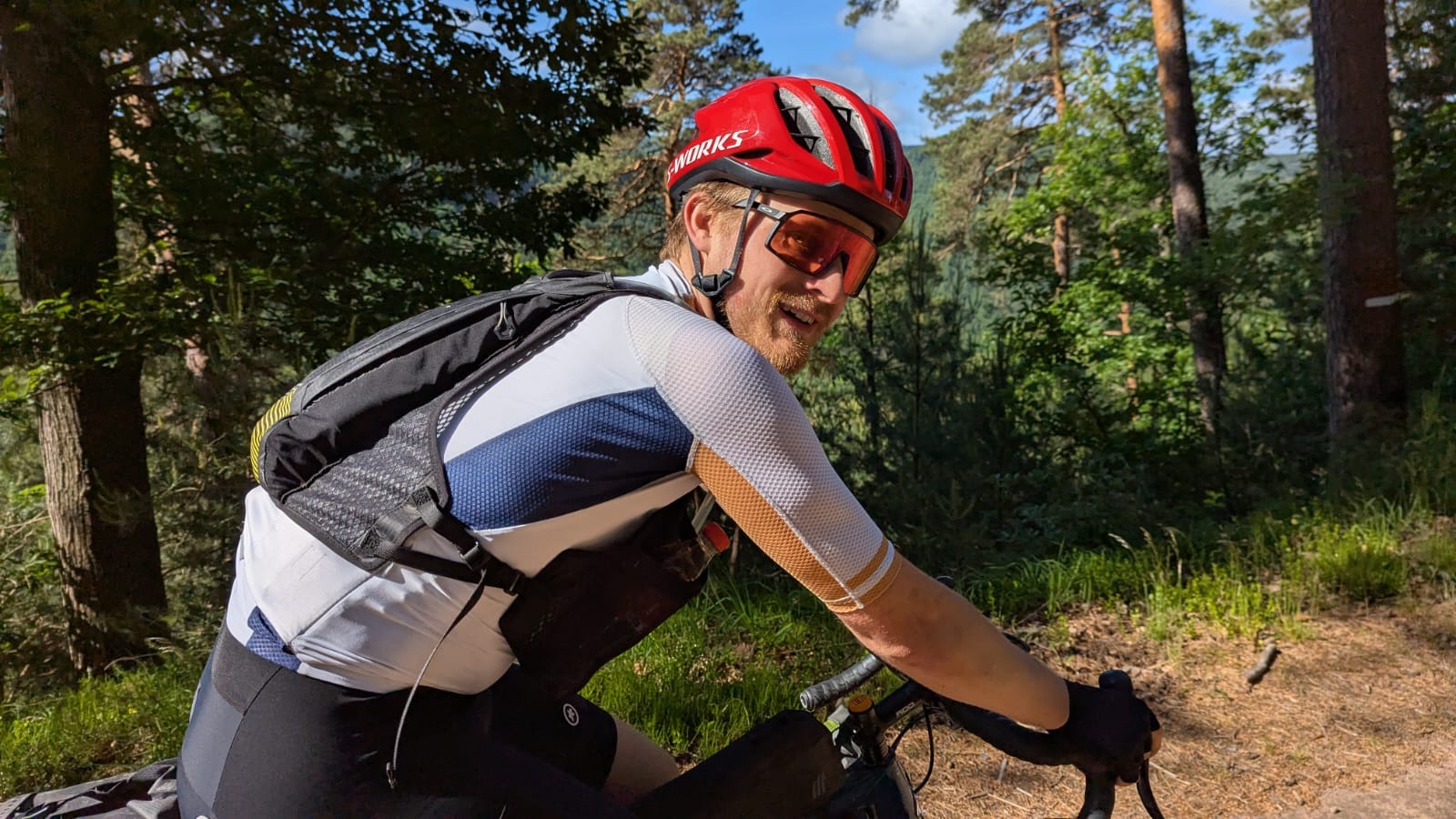

If you’ve ever ridden an ultra-race, you’ll be familiar with that rock bottom feeling when you arise from a sub-optimal sleep and somehow have to haul your carcass up, knowing there’s still a hell of a long way to go.
That was how I felt on just the second morning when I raced Across Andes last November, an 807km ultra-endurance gravel race in Chile with 12,111m elevation.
I figured it would be easier than my previous three races (Seven Serpents, Badlands and Mother North), seeing as there was 4,000m less climbing – I was wrong.
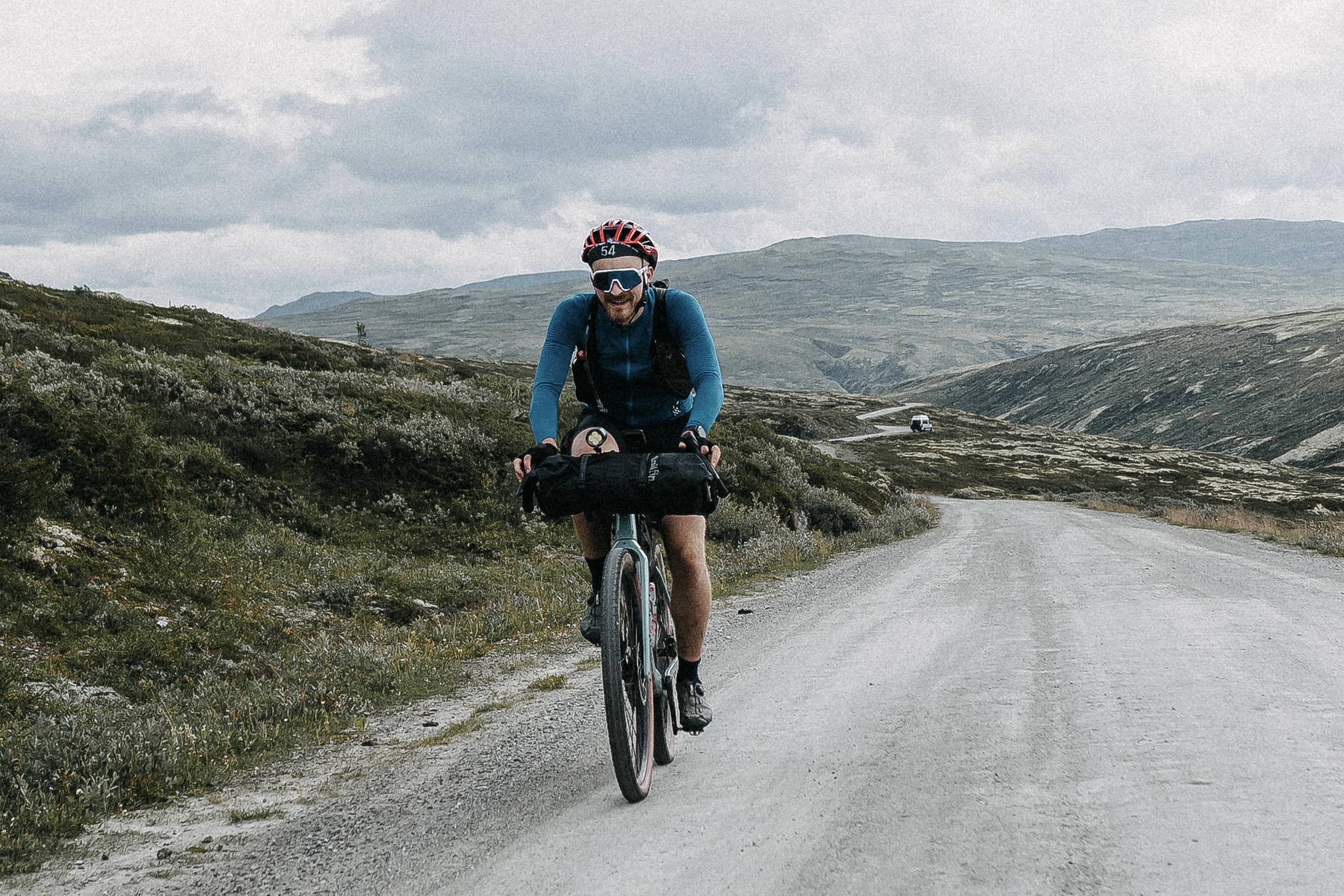
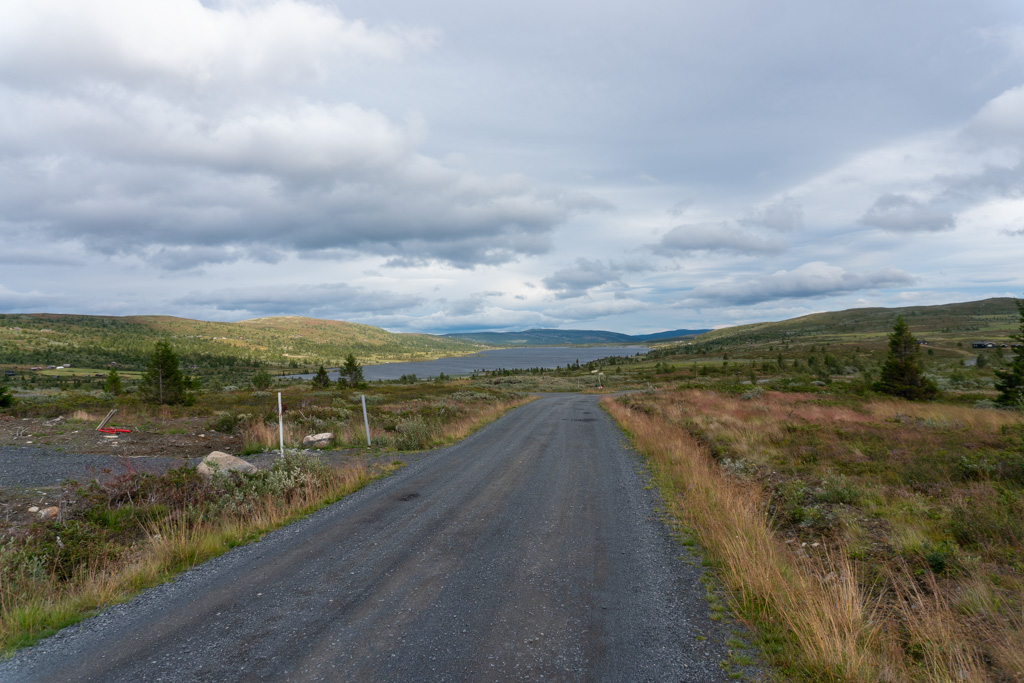
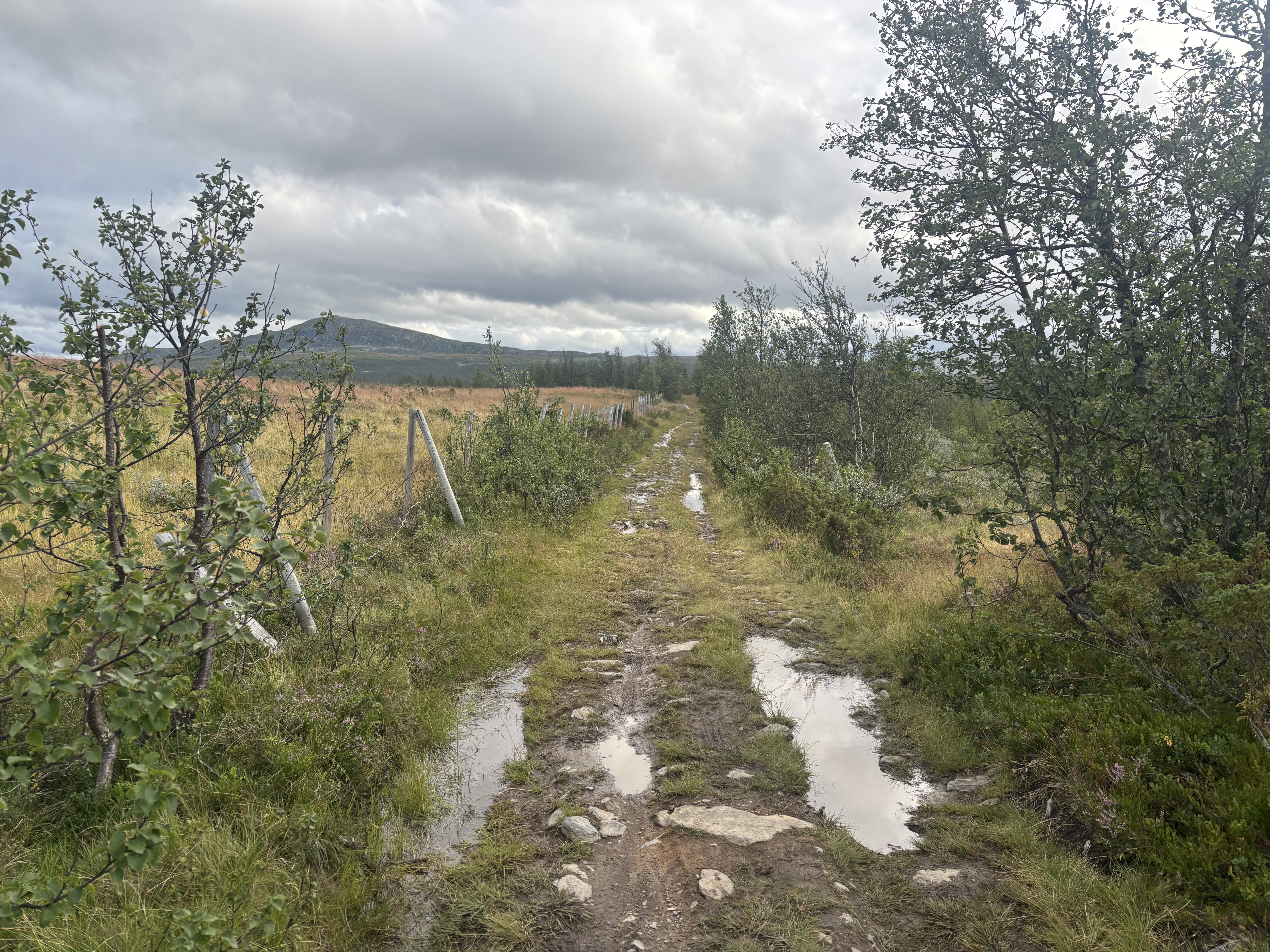
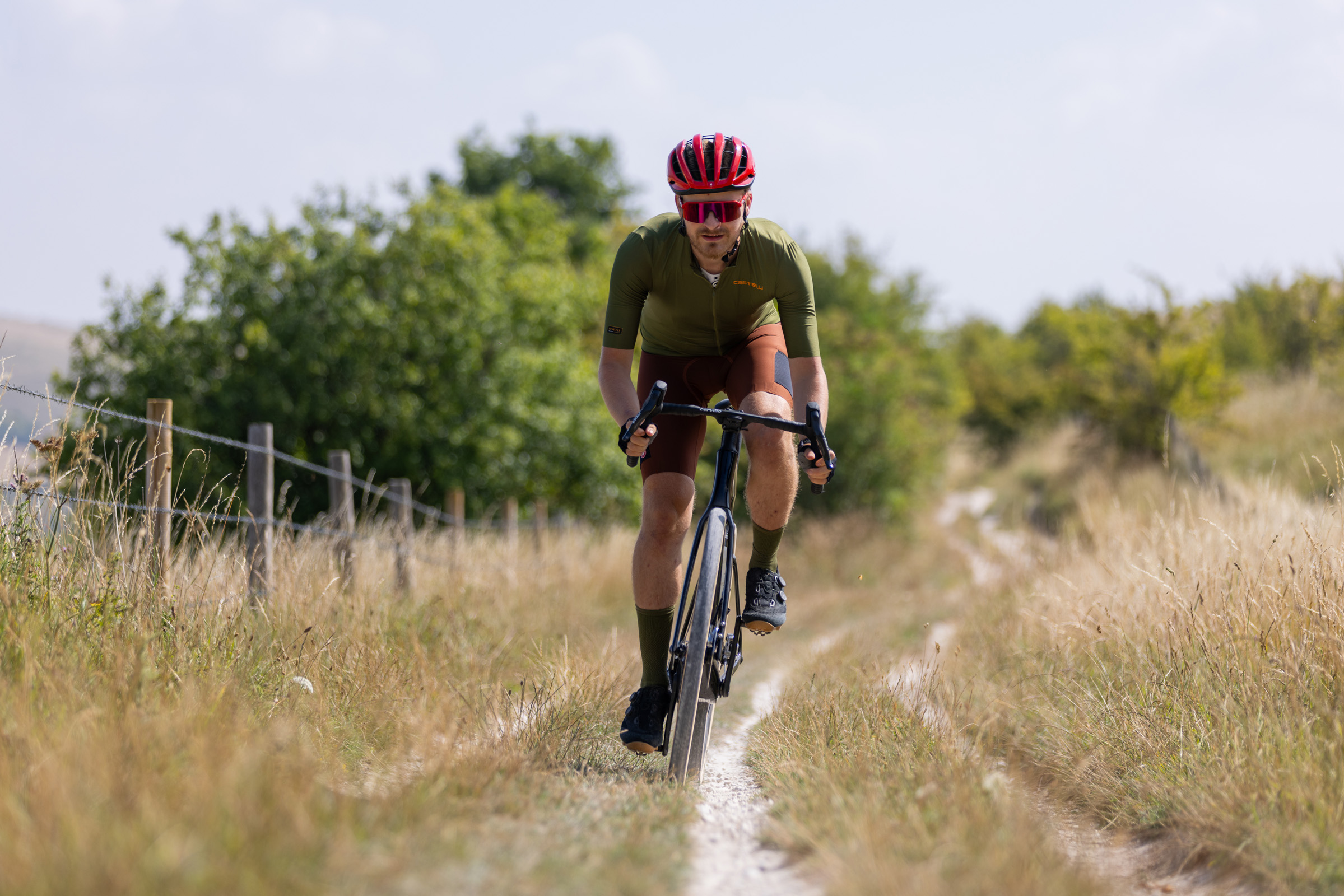
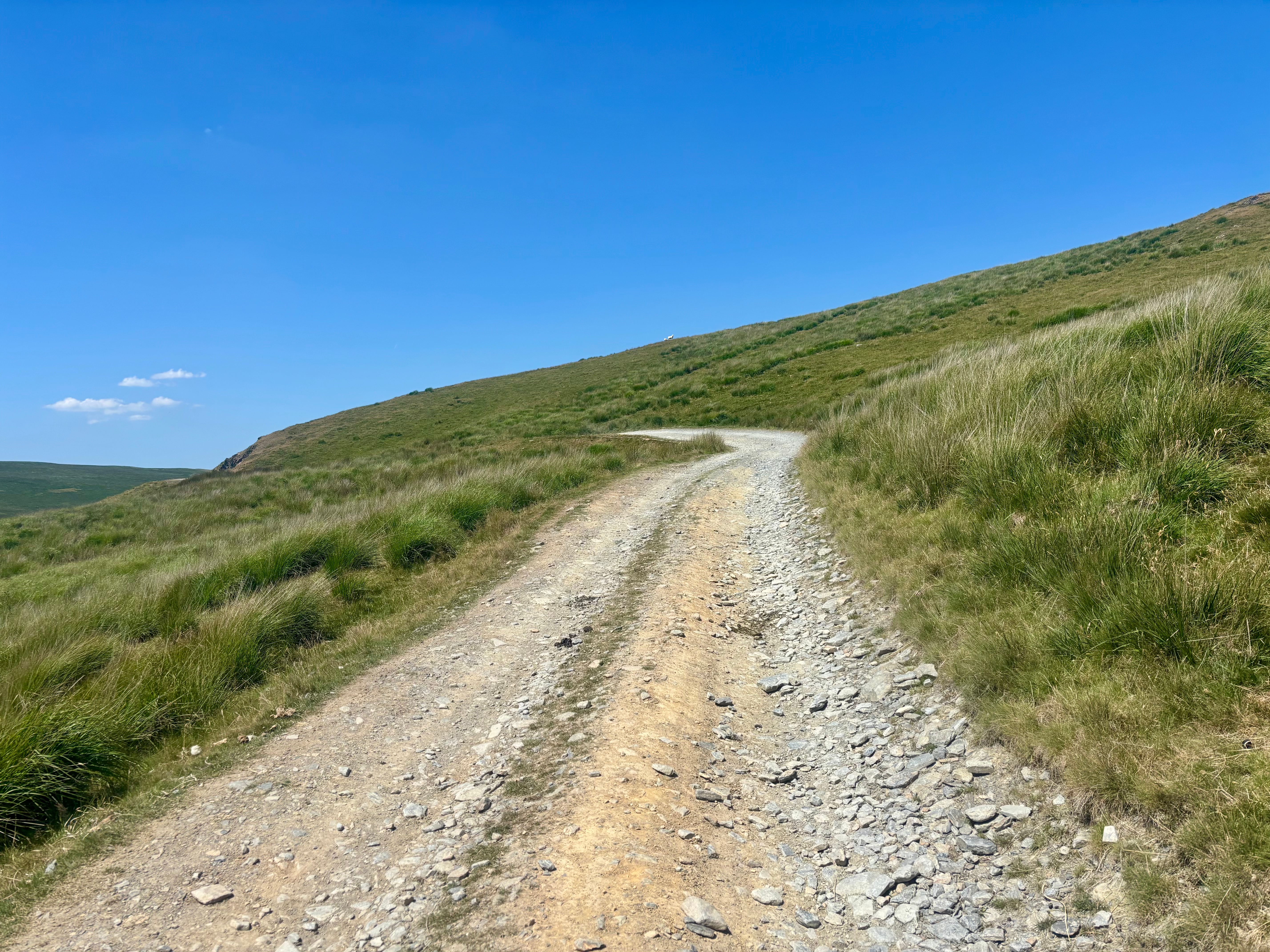
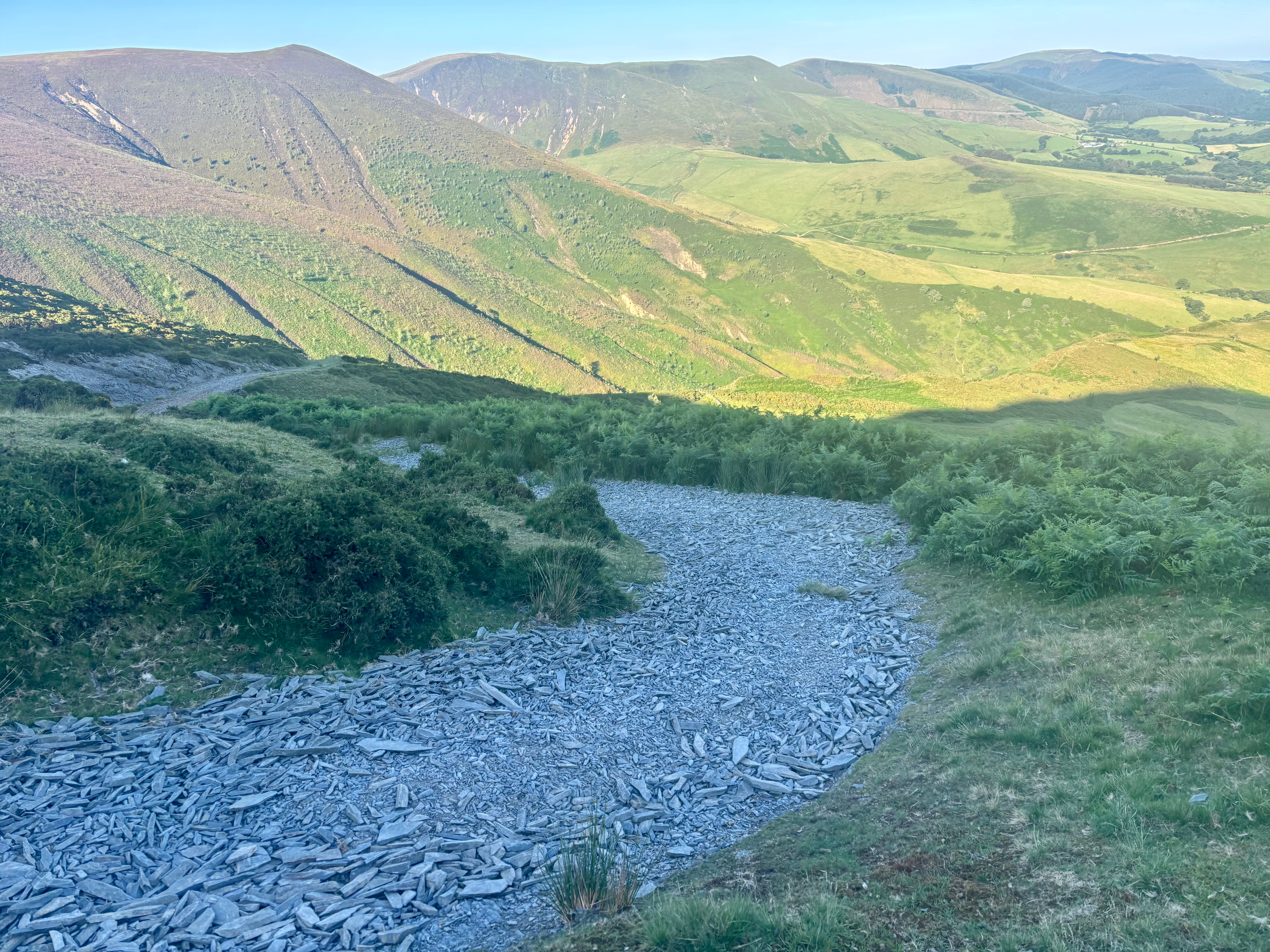
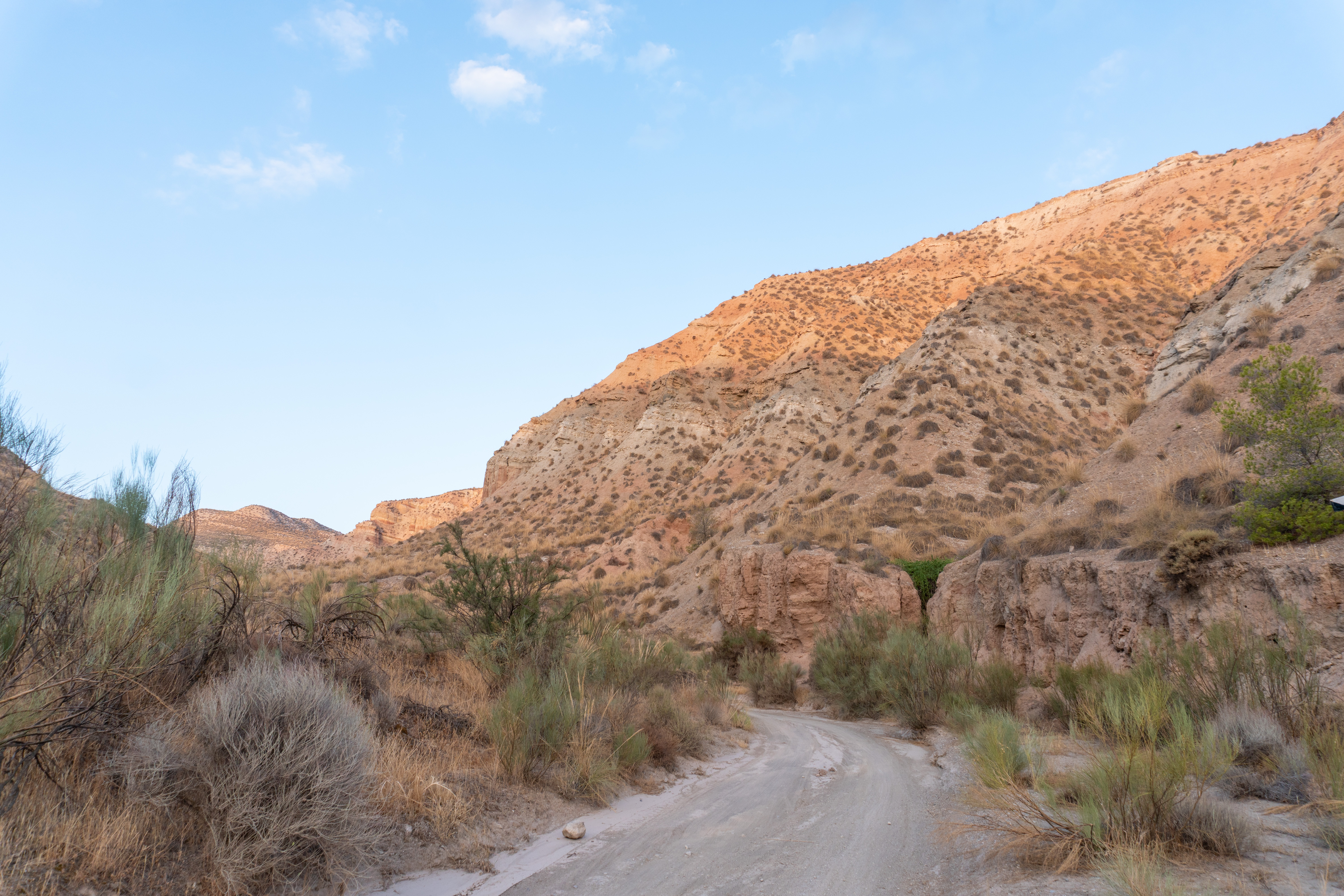
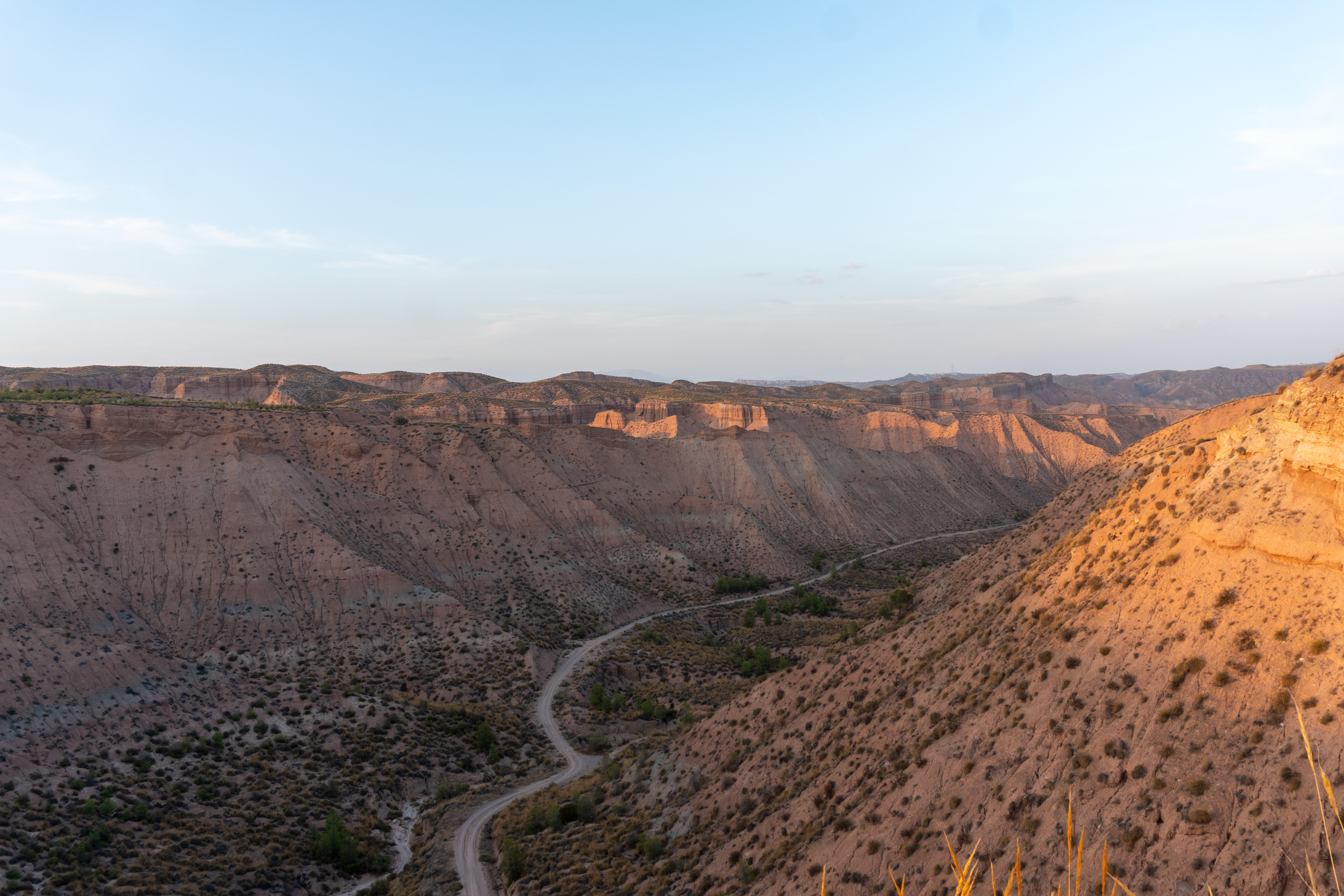
Chilean gravel is unlike anything I’ve ever ridden and the palm-pummeling terrain required lots of concentration and care, with steep climbs galore and a generous dose of hike-a-bike.
This race had been on my bucket list for a while, as had Chile as a country, and it’s safe to say that both properly delivered.
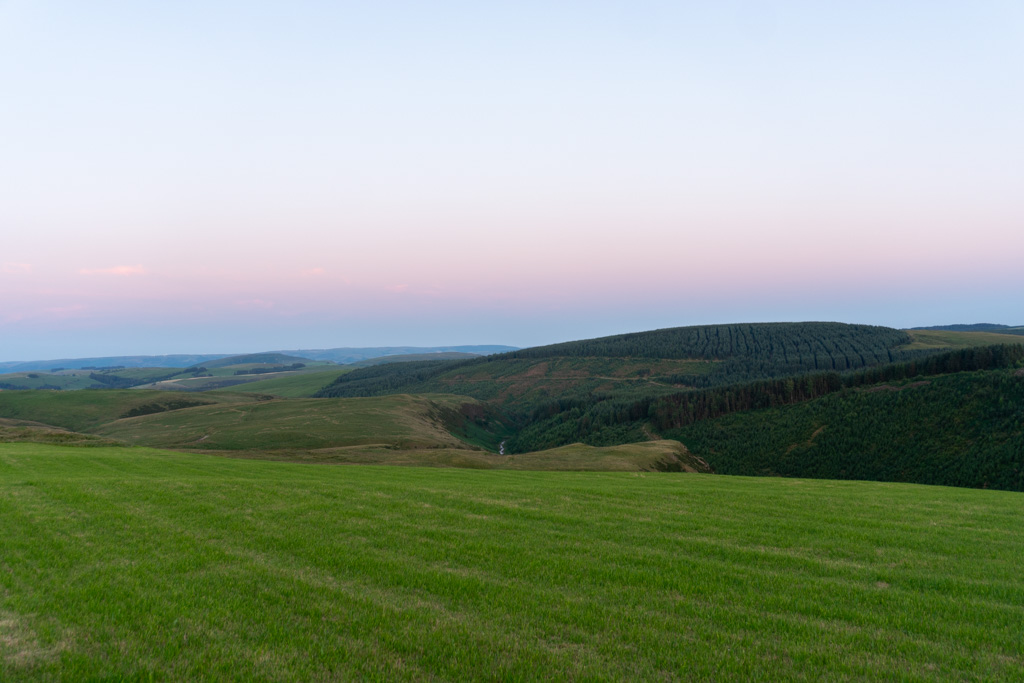
From having to cope with the blazing heat and deal with several component casualties to experiencing some of the most arresting scenery I’ve ever ridden through, Across Andes is a race that will long live in my memory.
What is Across Andes?
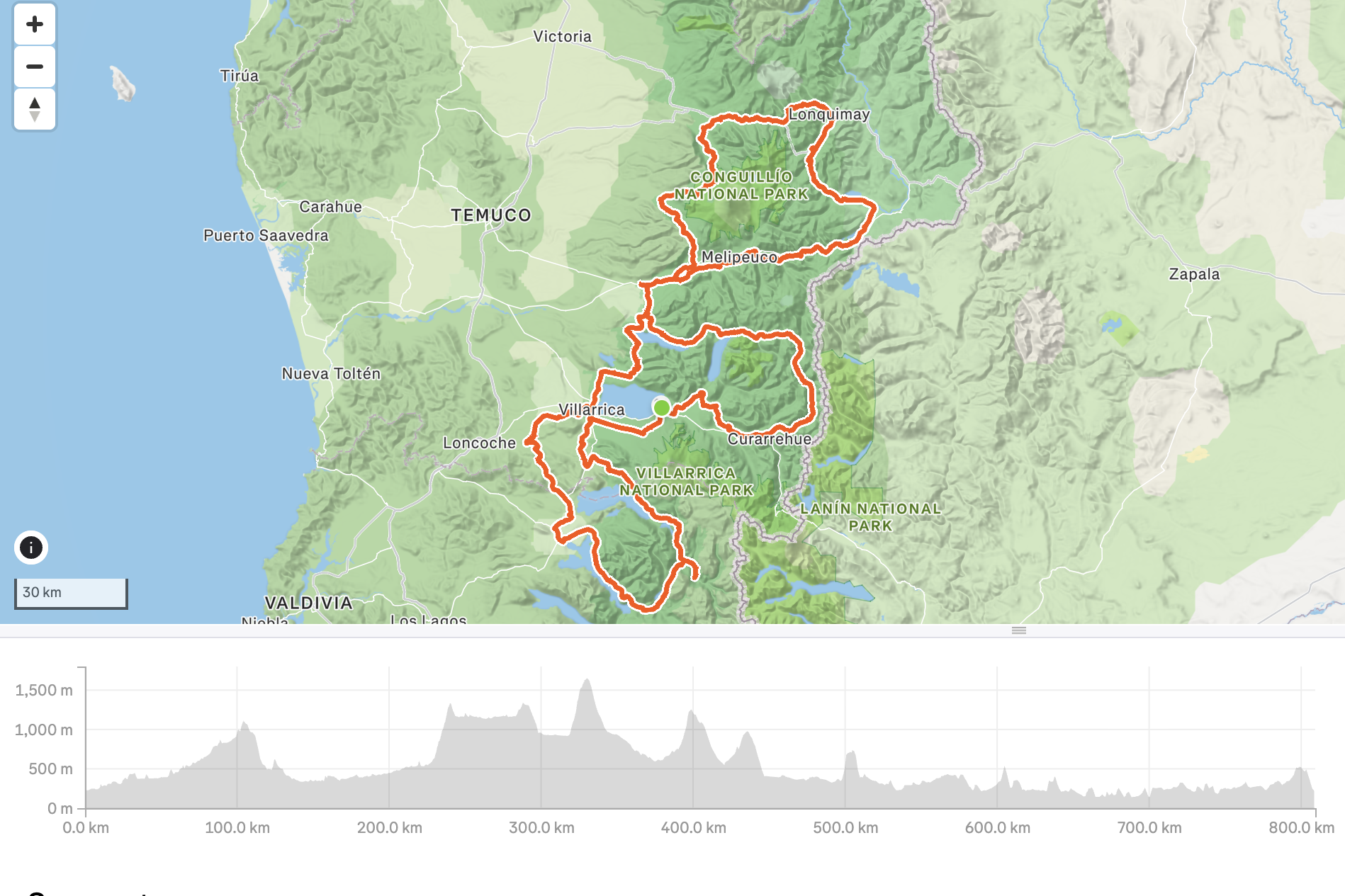
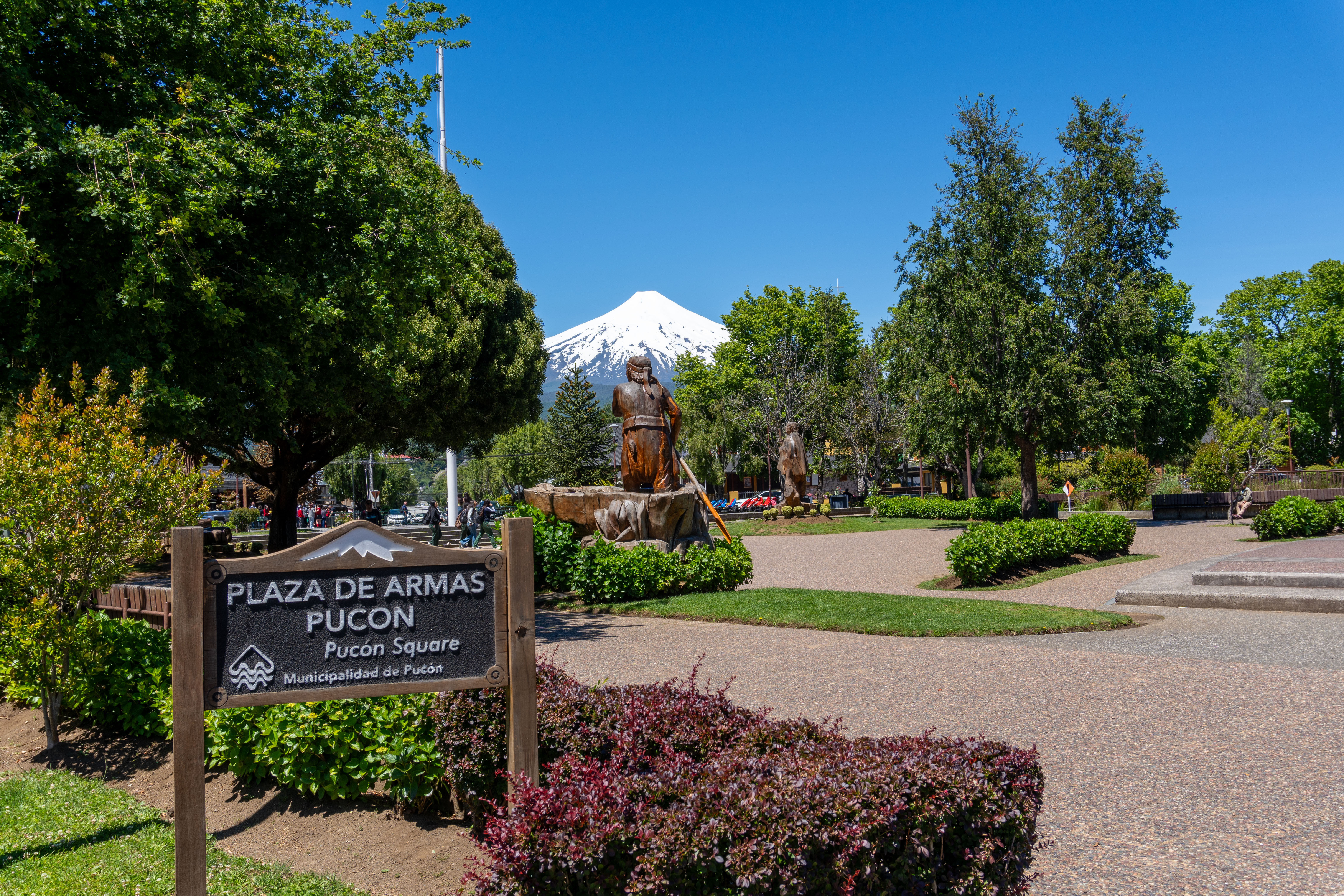
The 2025 ‘Volcano Edition’ of Across Andes started and finished in Pucón, an adventure tourist town in the Chilean Lake District, its skyline dominated by the snow-capped 2,847m Volcán Villarrica.
Organised by Mariano López and Paulina Pinto, this seventh edition of the race comprised three loops, encapsulating eight volcanoes, seven lakes and ancient araucaria forests.
It was a new course for 2025 – the organisers use the same route for two years before moving to a new location.
But Pucón is no stranger to this race, having also been used in the 2021 and 2022 editions – the 2023 and 2024 race started in Coyhaique in northern Patagonia.
During the 807km, you must visit three checkpoints to get your brevet card stamped, with the checkpoints having cut-off times.
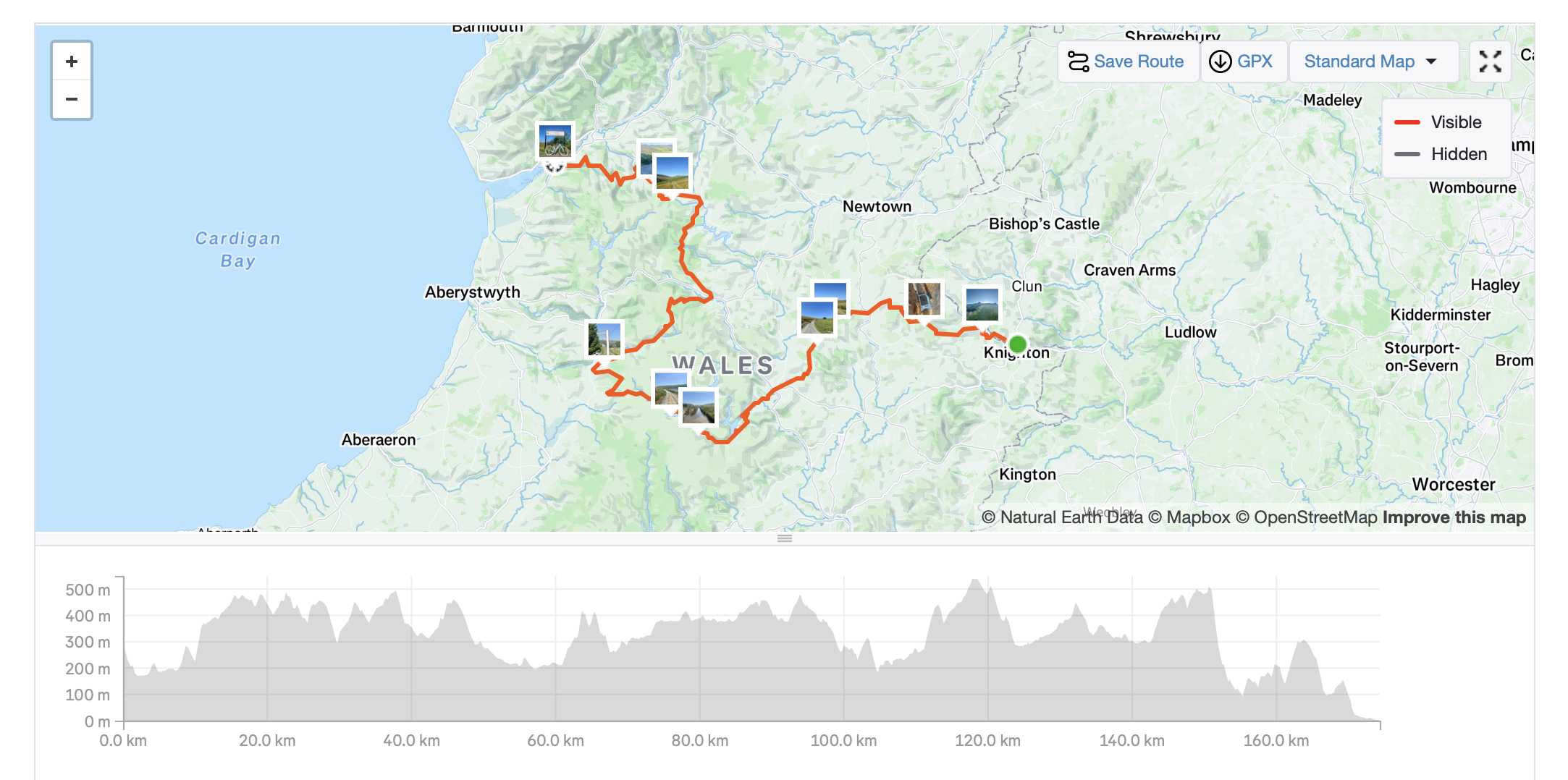
The climbing was very front-loaded on this route and while the last third looks flat on the elevation graph, I can assure you it wasn’t.
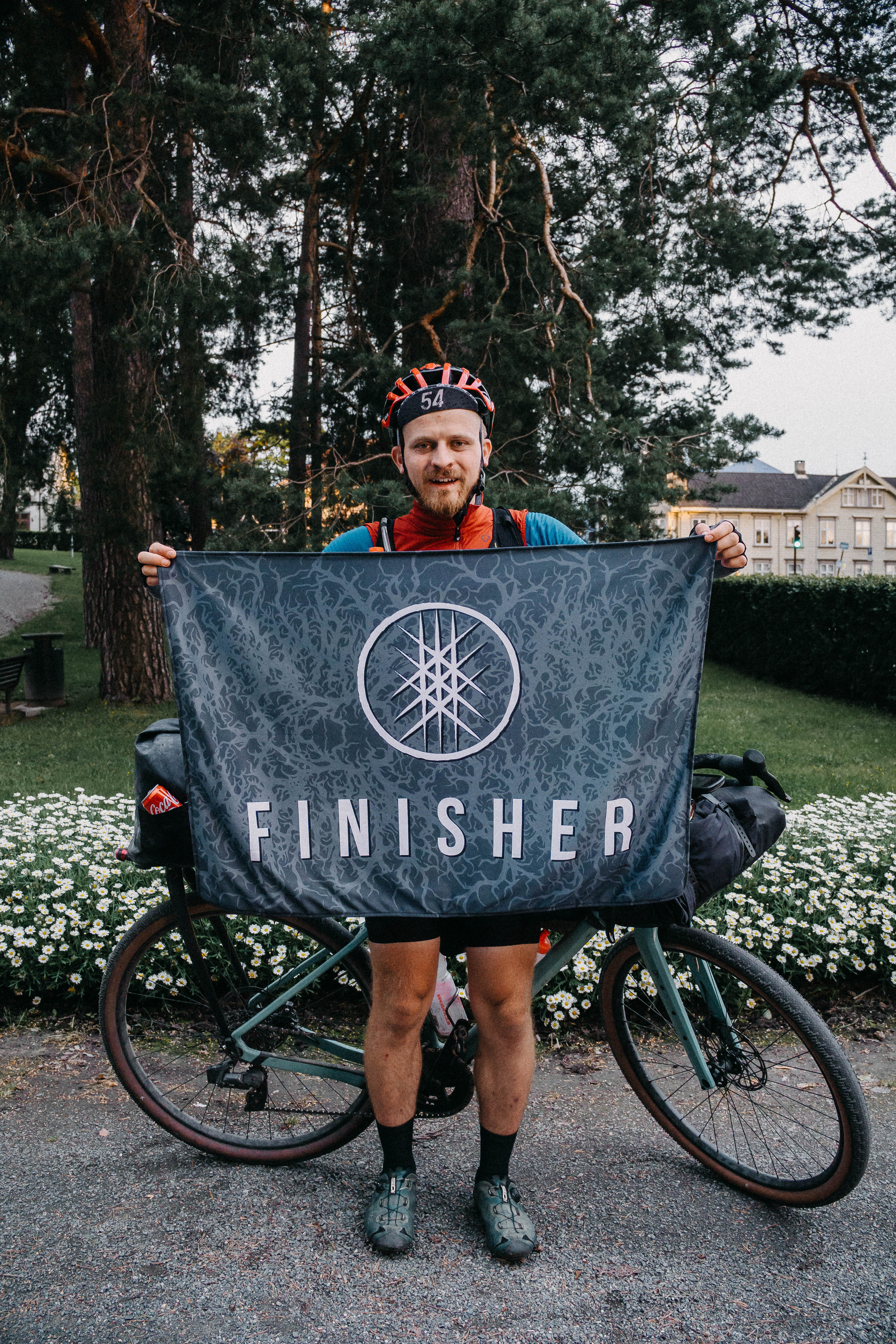
I completed Across Andes in 103 hours 18 minutes, placing 119th out of the 151 solo riders that finished (171 started). In addition, there were 58 riders in the pairs category.
While I’m pleased with my result, I could have finished half a day quicker. On the last evening, I chose to stop in Panguipulli 100km from the finish because I wanted to savour the route in the daylight – it would have been a real shame to have missed out on some of the tremendous scenery and I have no regrets.
The race was won by Andrés Tagles, who stormed round the course in 36 hours 48 mins – he’s won every edition since 2023 (and won in the pairs category in 2019 and 2022).
Sebastian Breuer came second a little over three hours later, settling unfinished business after scratching in 2022. In a hotly contested battle with Ivy Pedersen, Sami Sauri was the first woman (and sixth overall) in 50 hours 20 mins.
Finally, flying the British flag were Alex McCormack and Jesse Yates, who won in the pairs category.
The weapon of choice
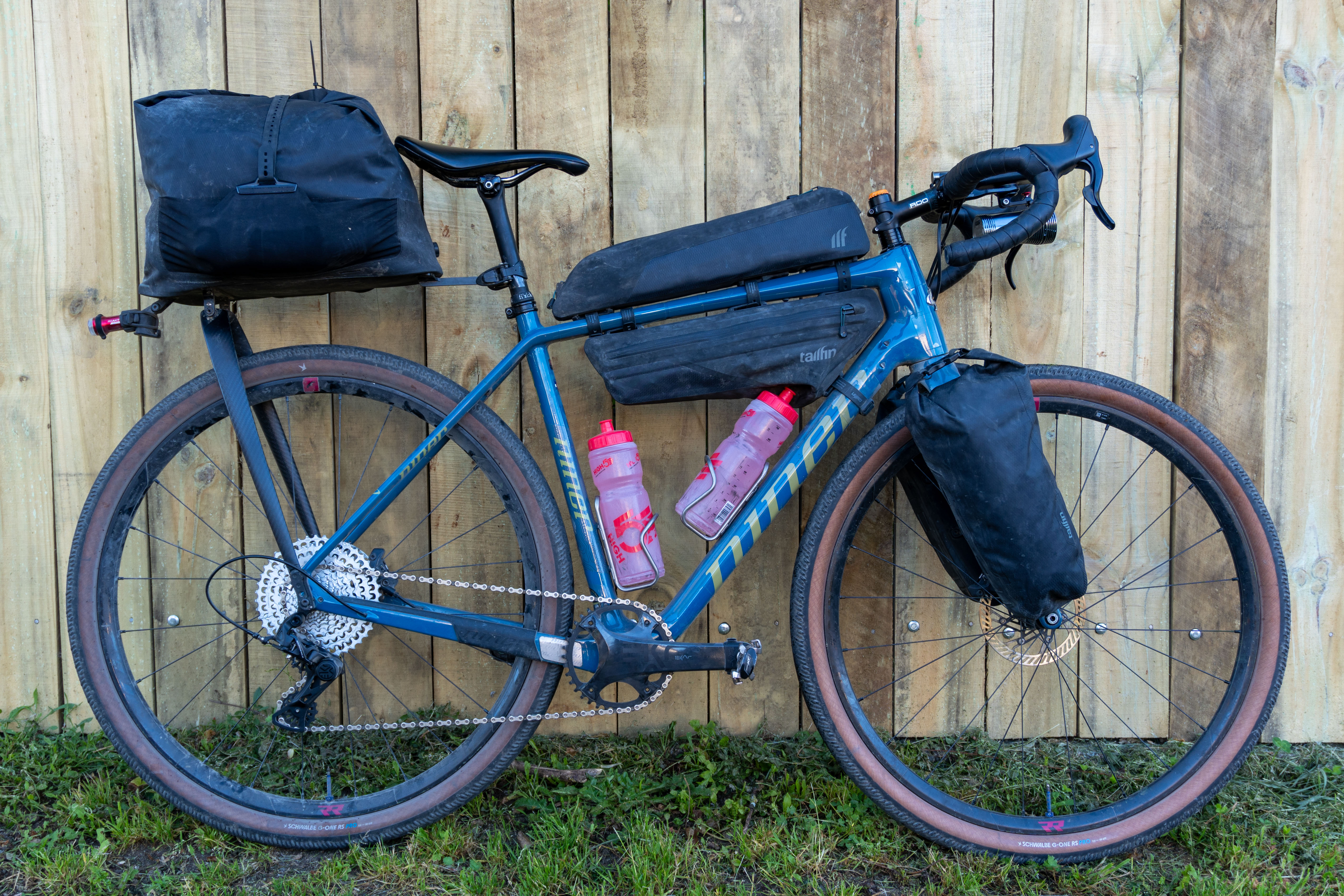
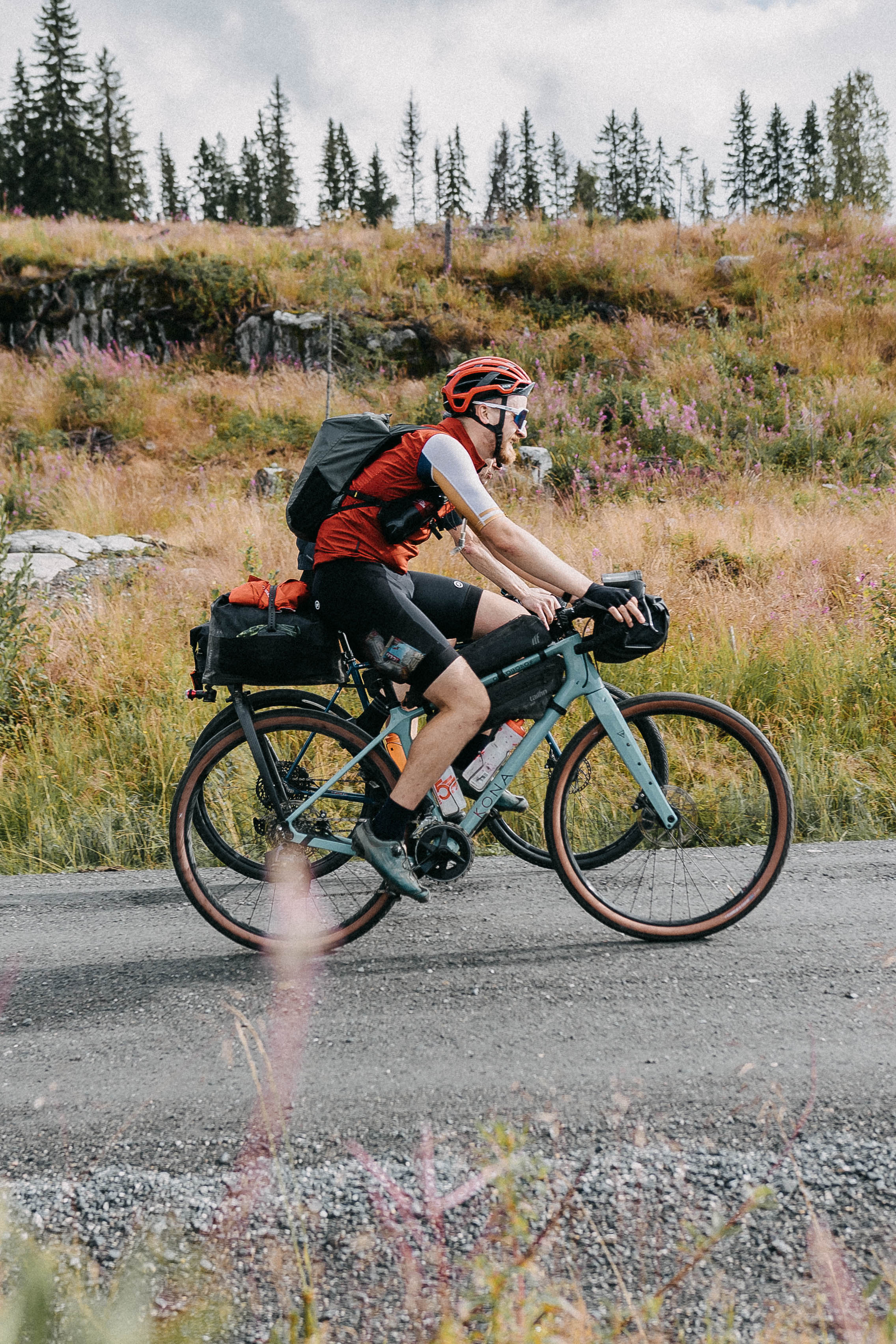
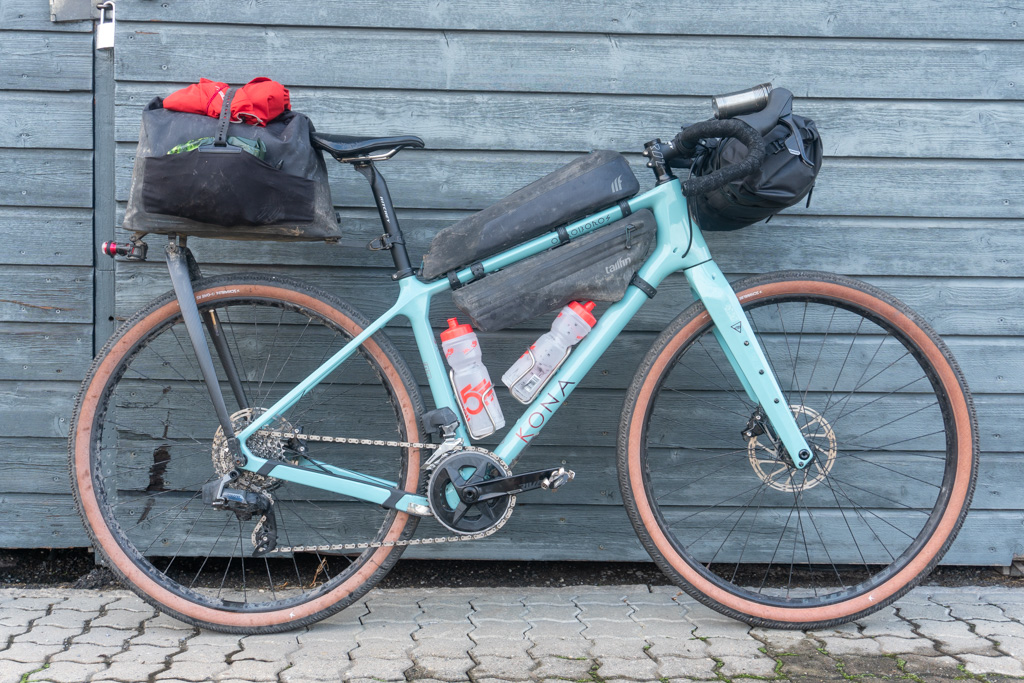
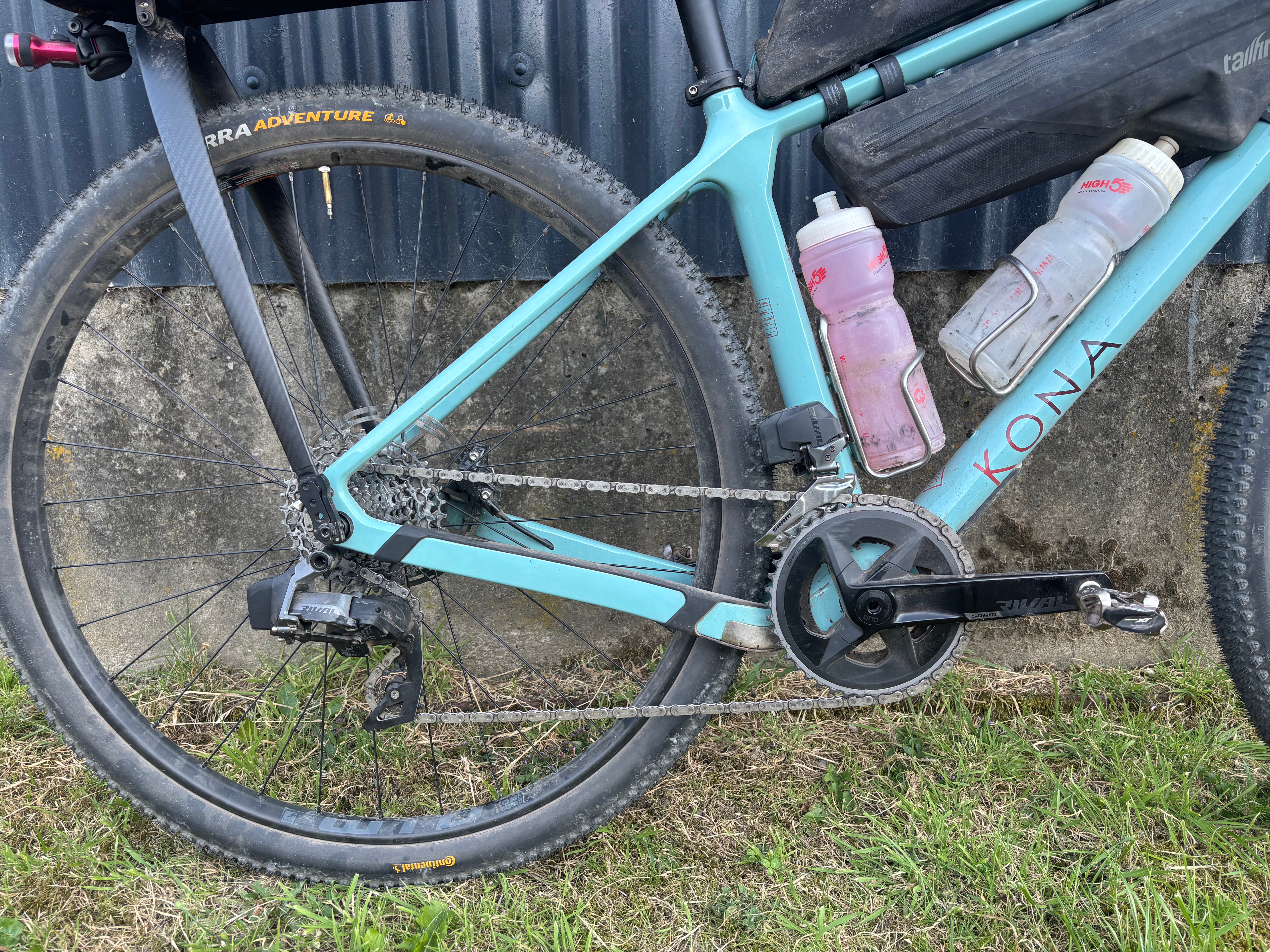
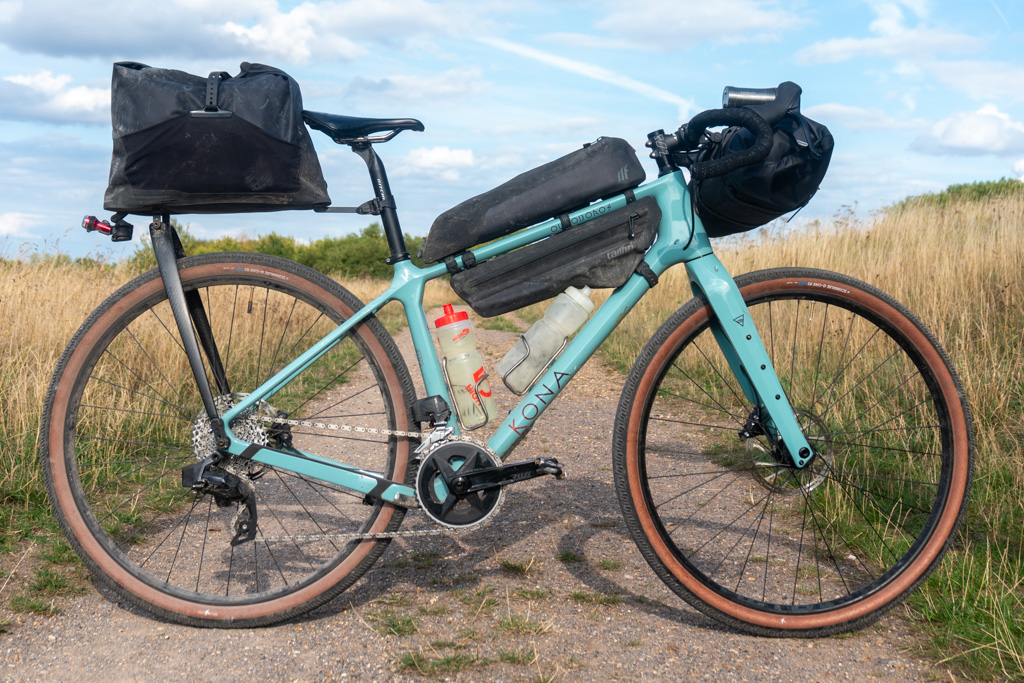
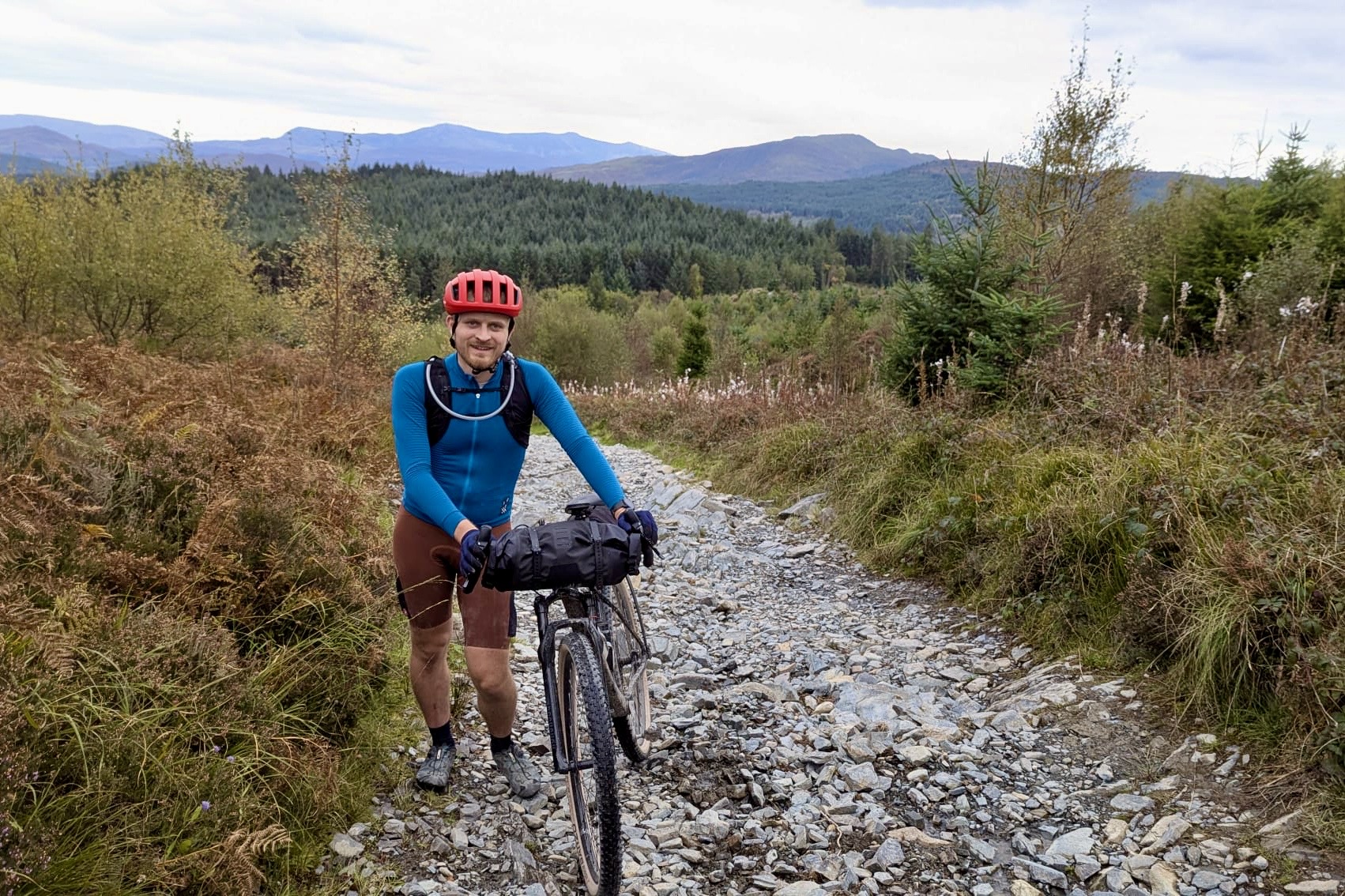
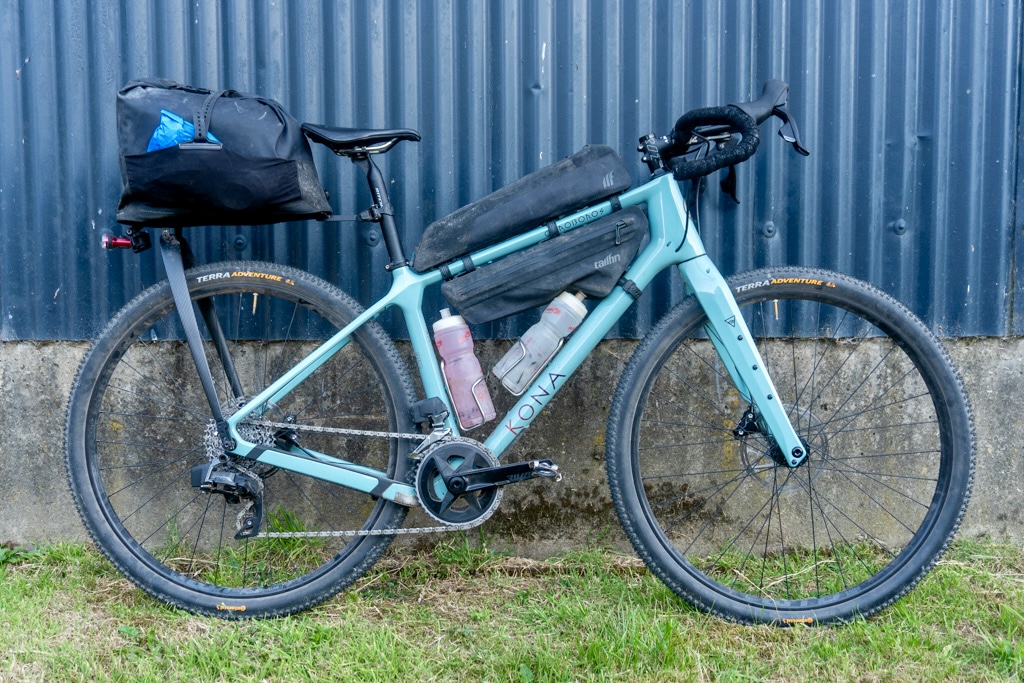
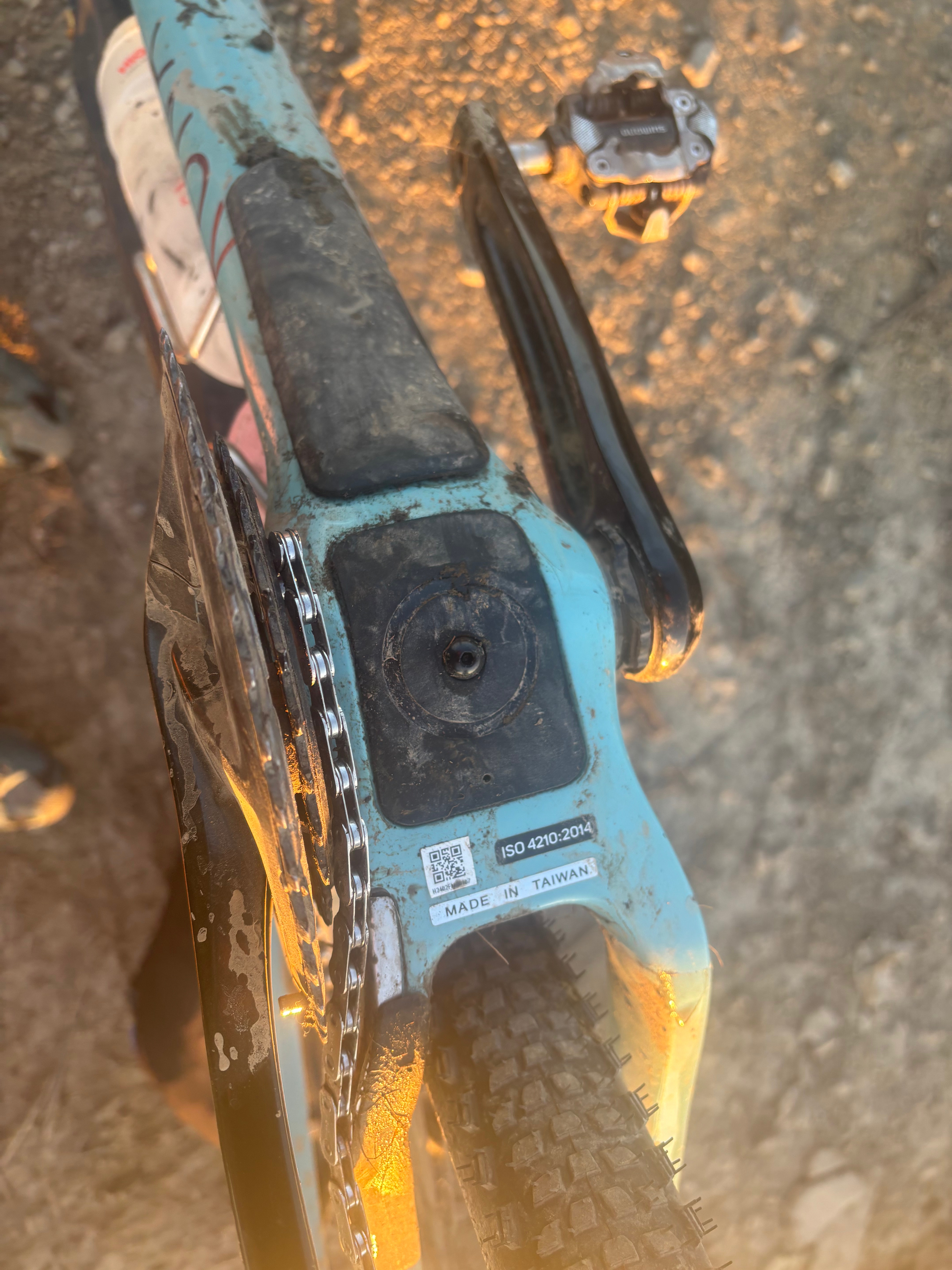
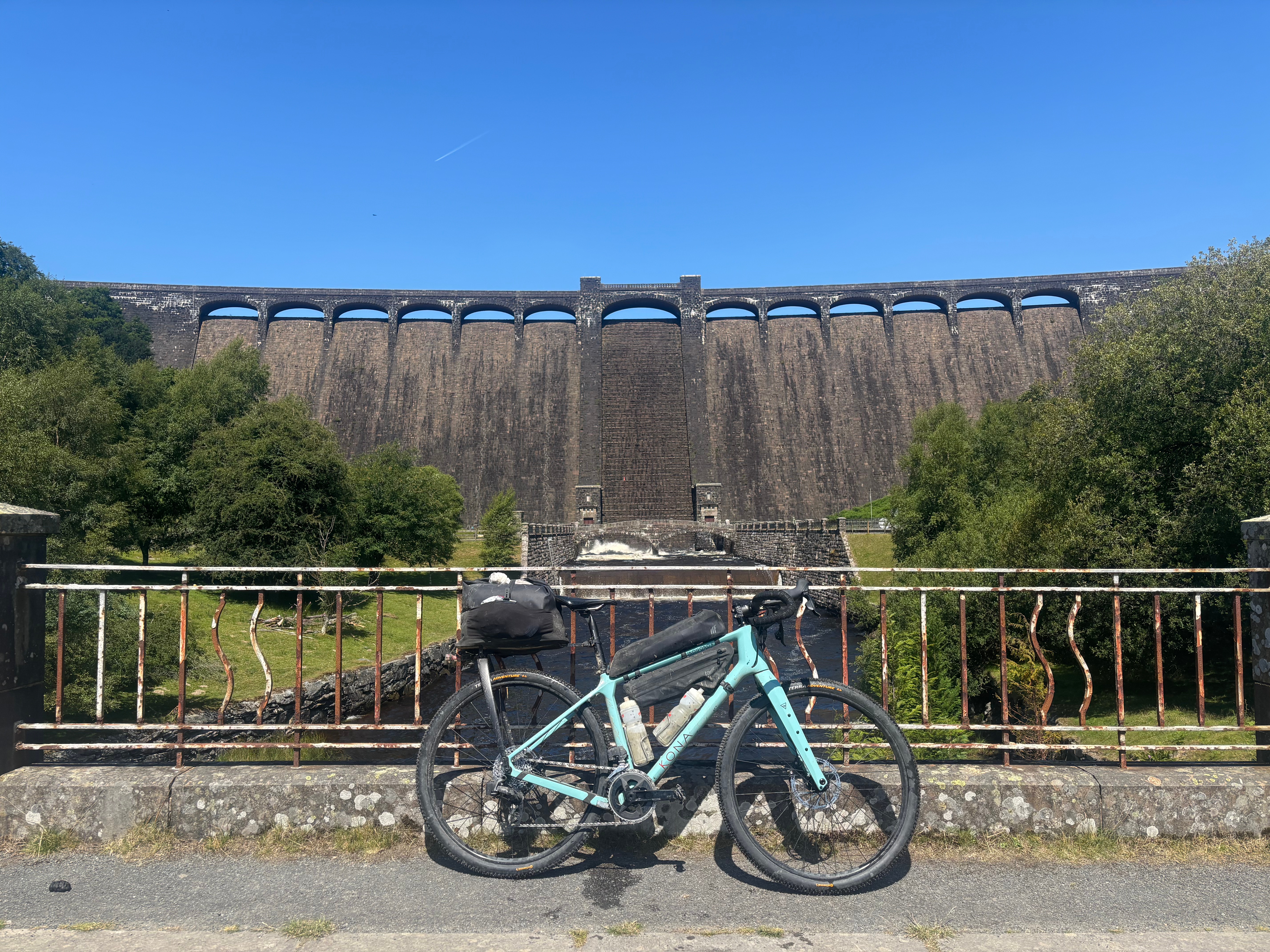
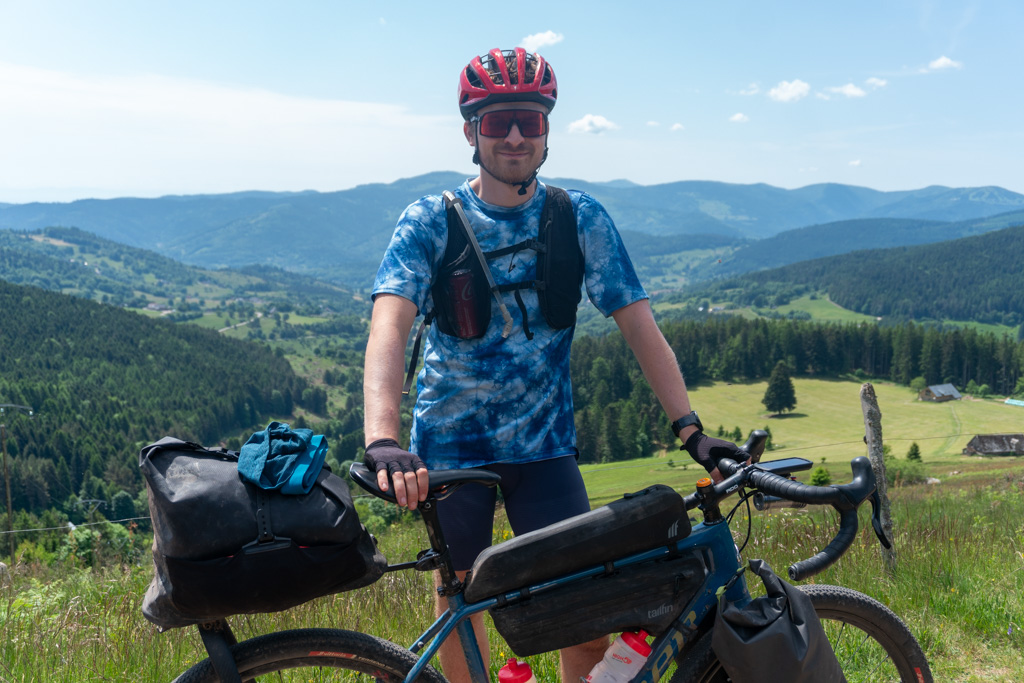
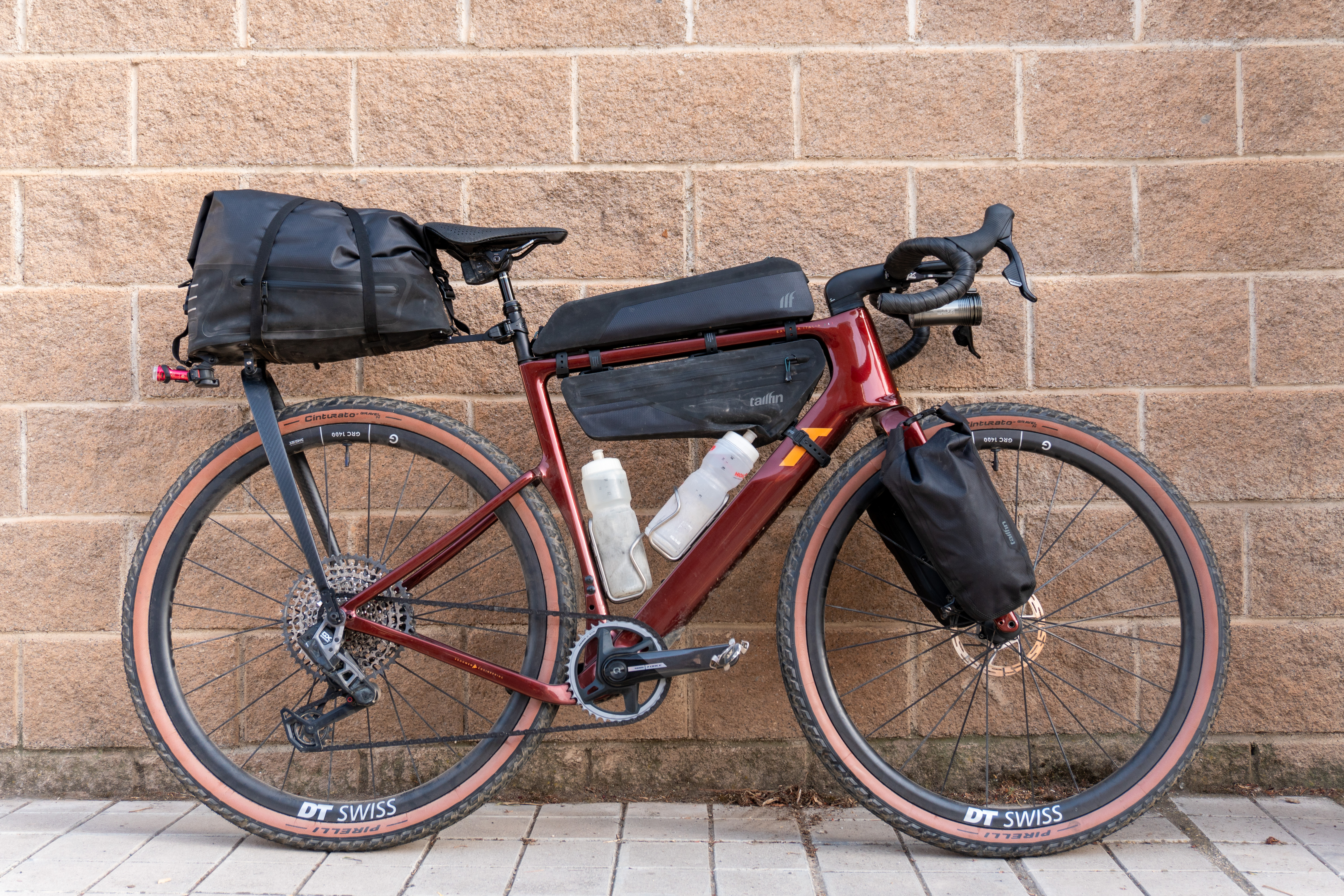
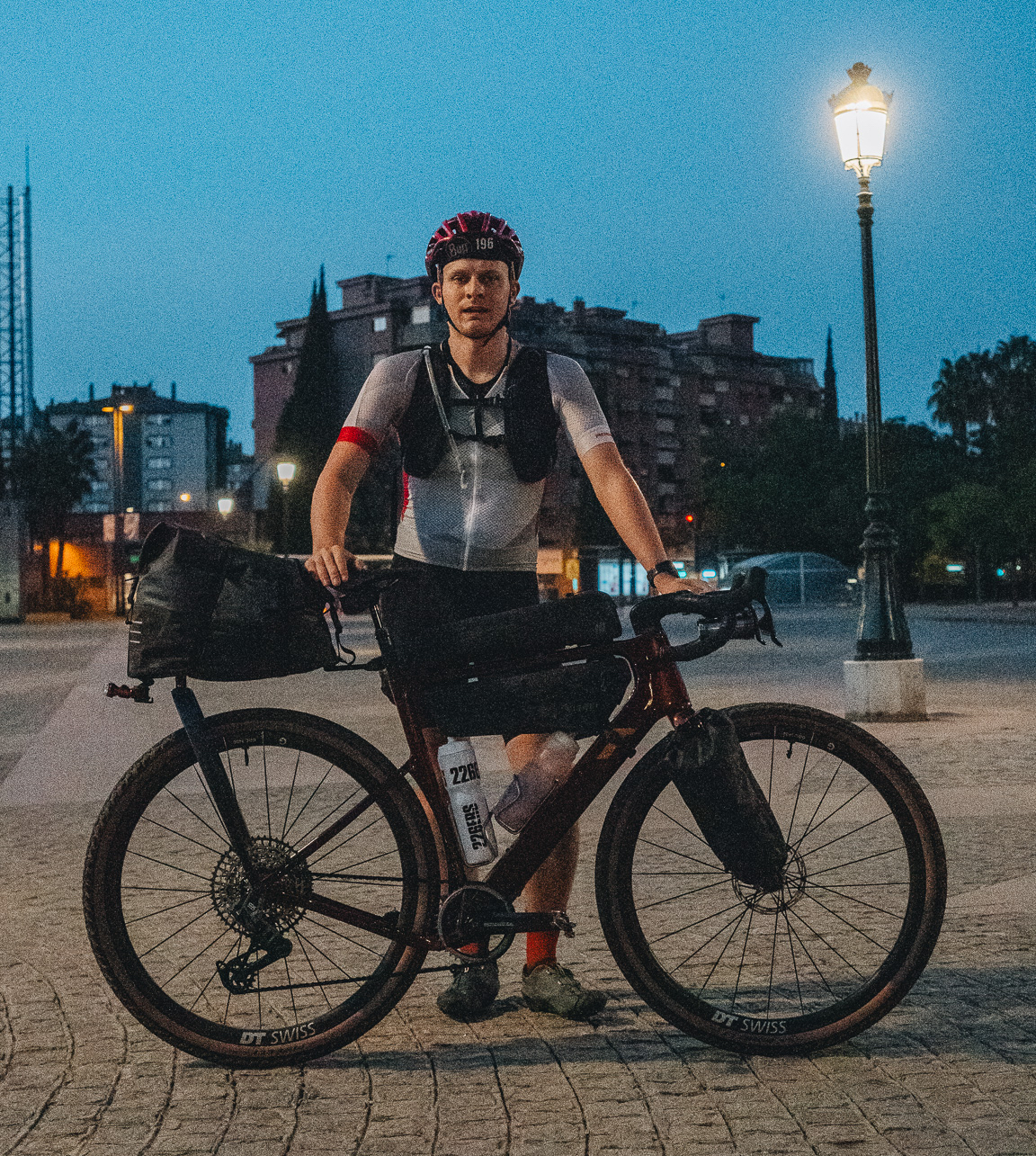
I rode my Niner RLT 9 RDO – a familiar bike and my main testbed for anything gravel-related I review.
It’s no stranger to ultra-racing – it got me through the sadistically tough Seven Serpents and I’ve also used it to bikepack the King Alfred’s Way and Traversée du Massif Vosgien.
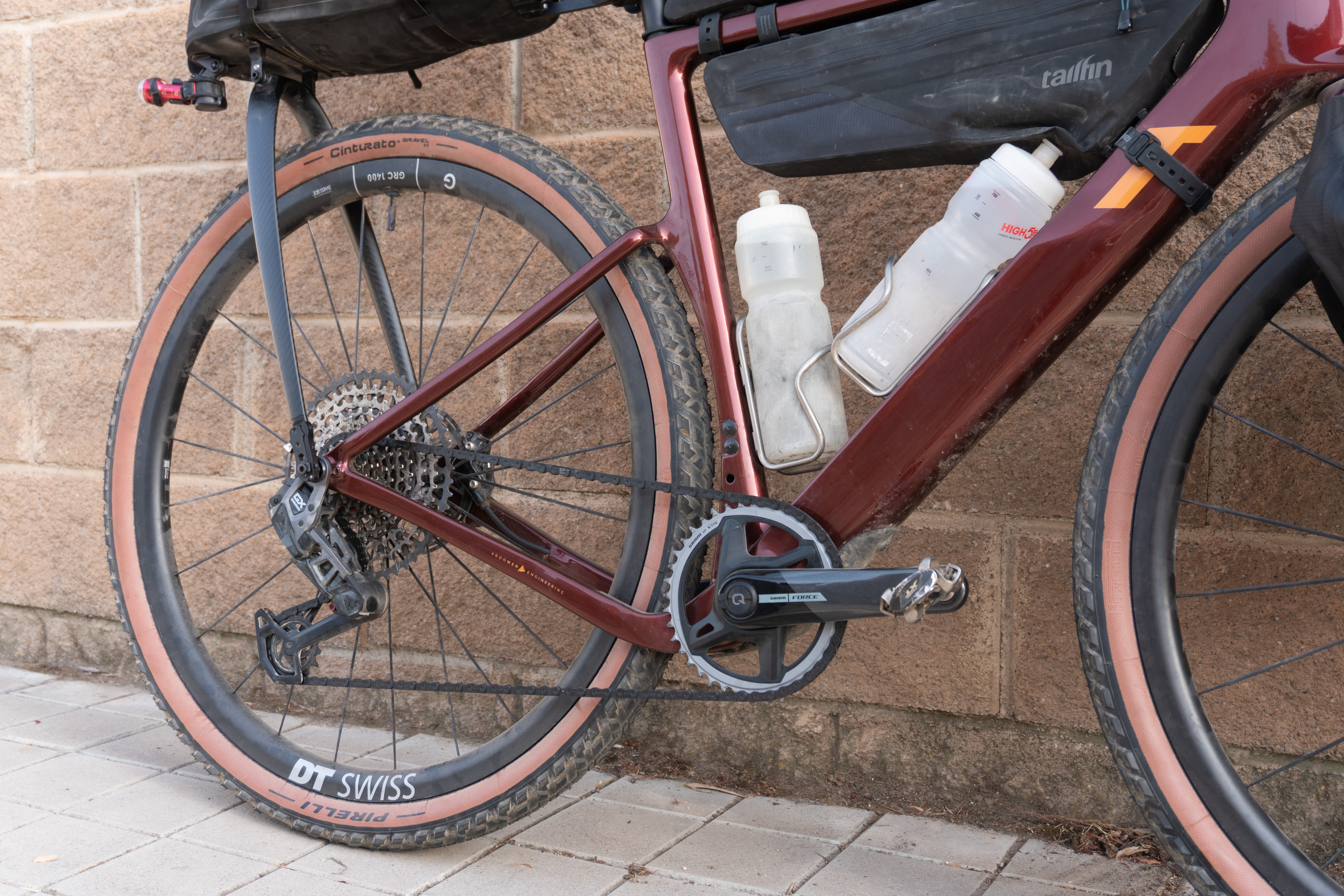
The bike runs a Campagnolo Ekar groupset, with a 38t chainring and 10-44t cassette – not the most generous, but that’s the easiest option the Italian brand offers without switching to Ekar GT.
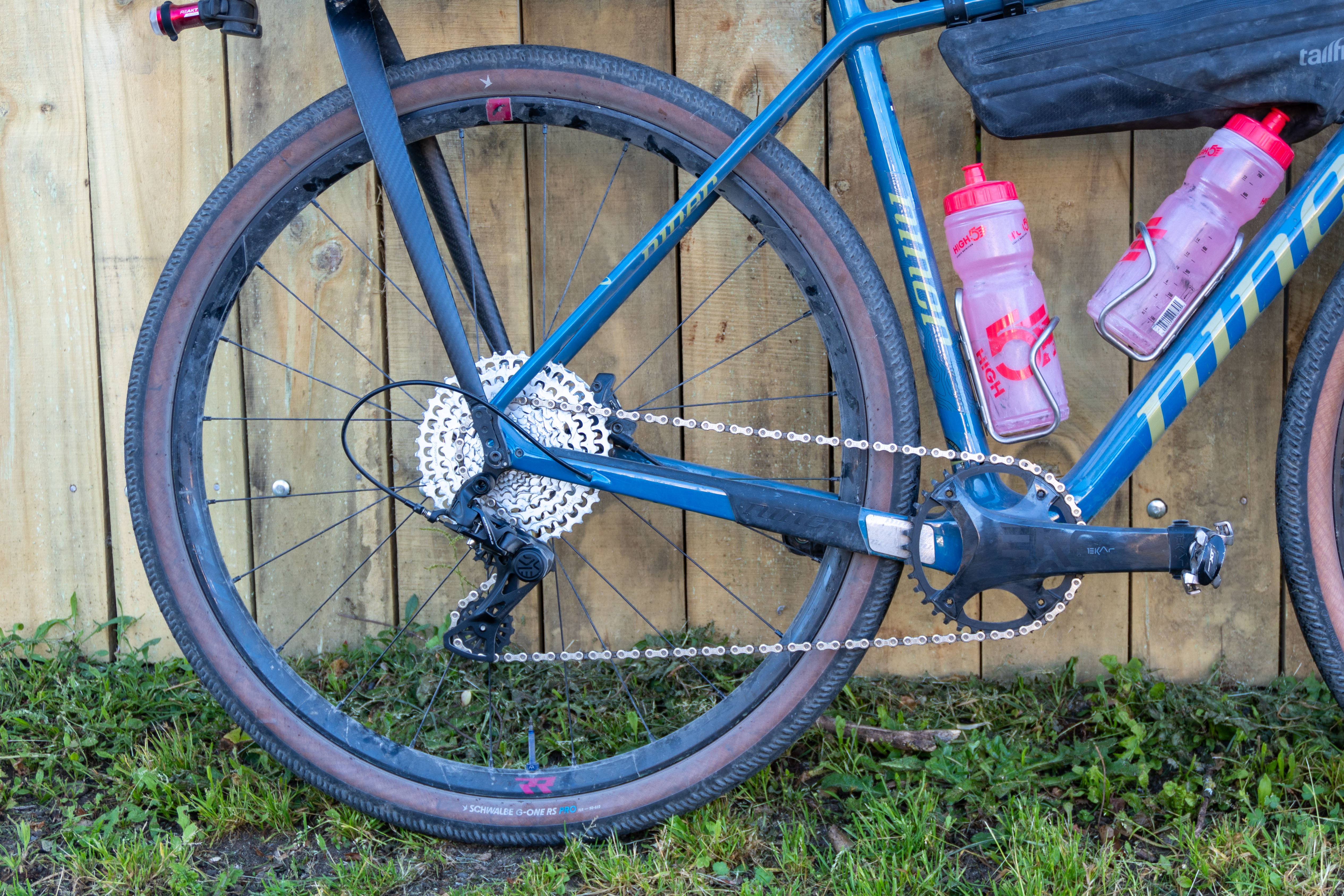
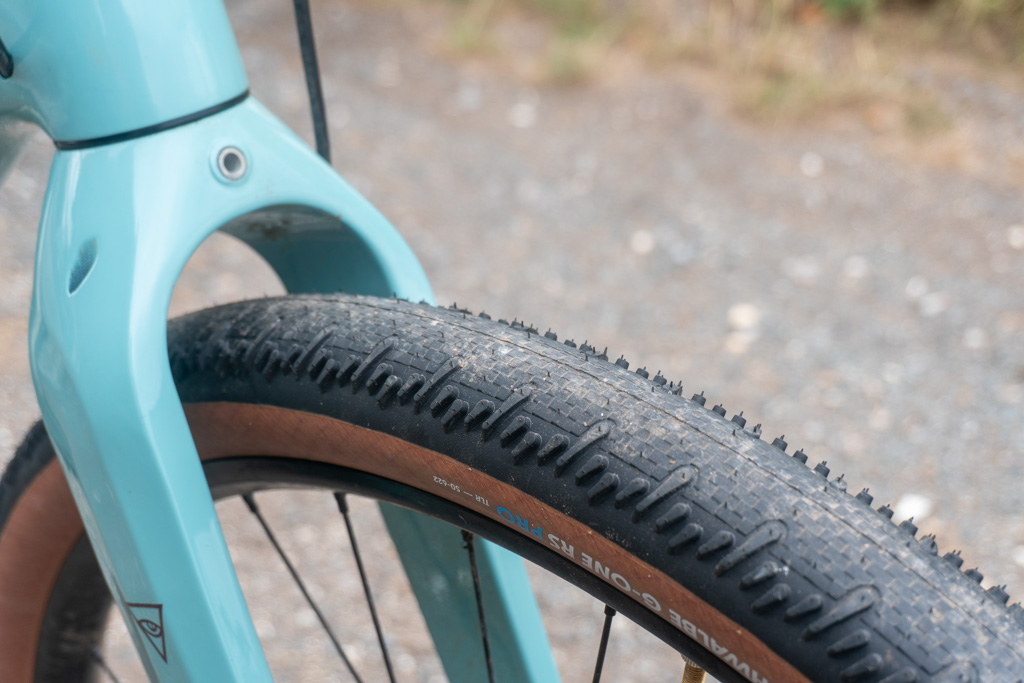
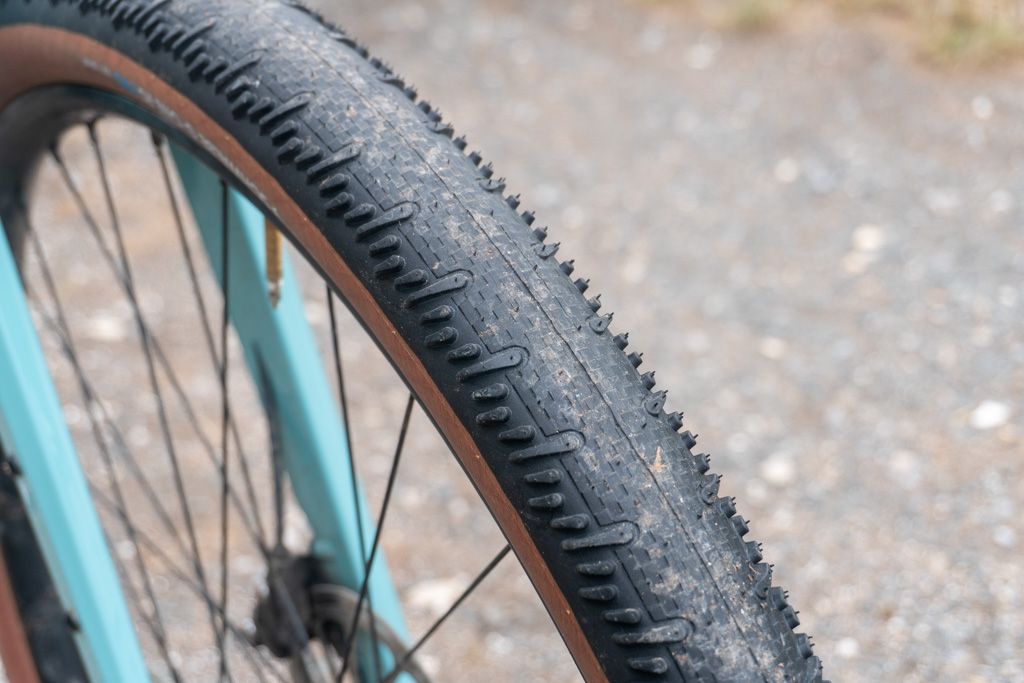
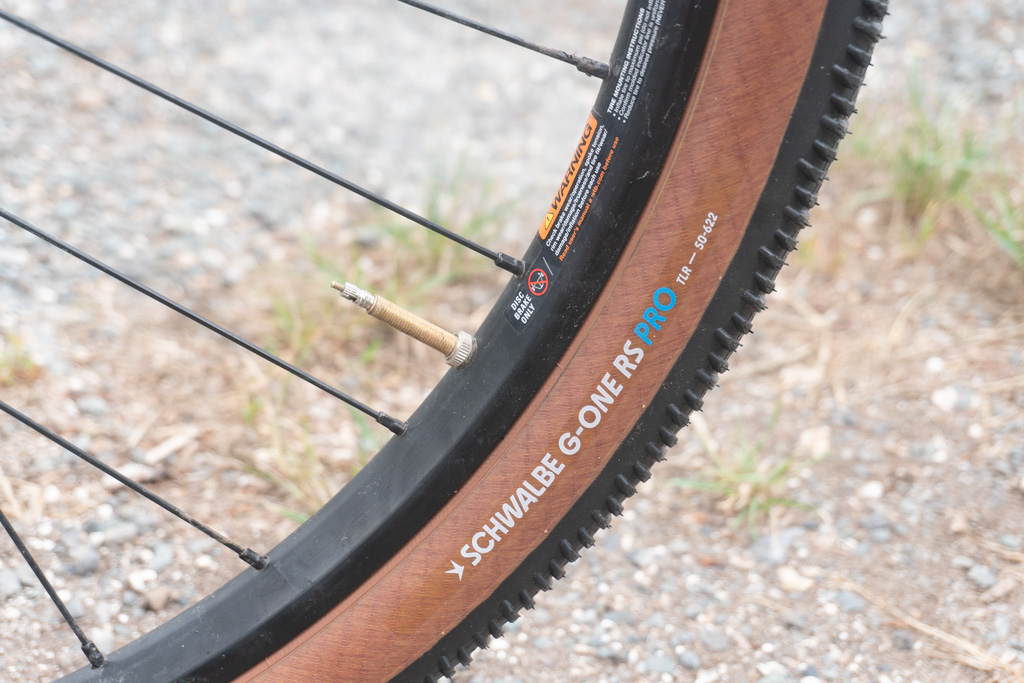
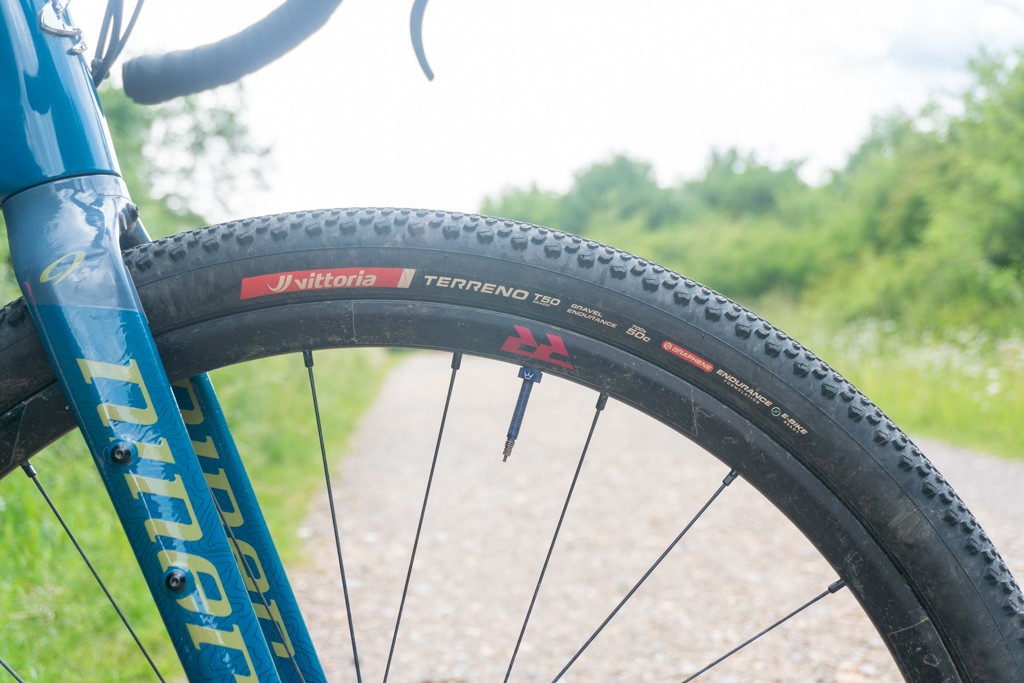
They might not be the lightest, but Fulcrum’s Rapid Red 500 wheels have proven bombproof. Having been mightily impressed by Schwalbe’s G-One RS Pro tyres when I used them for Mother North in Norway, I decided I’d call them into action again, seeing as the Chilean terrain looked like mostly dry hardpack.
The Niner’s finished with a set of flared Easton EC90 carbon handlebars, a bump-taming Roval Terra seatpost and a Fabric Scoop saddle.
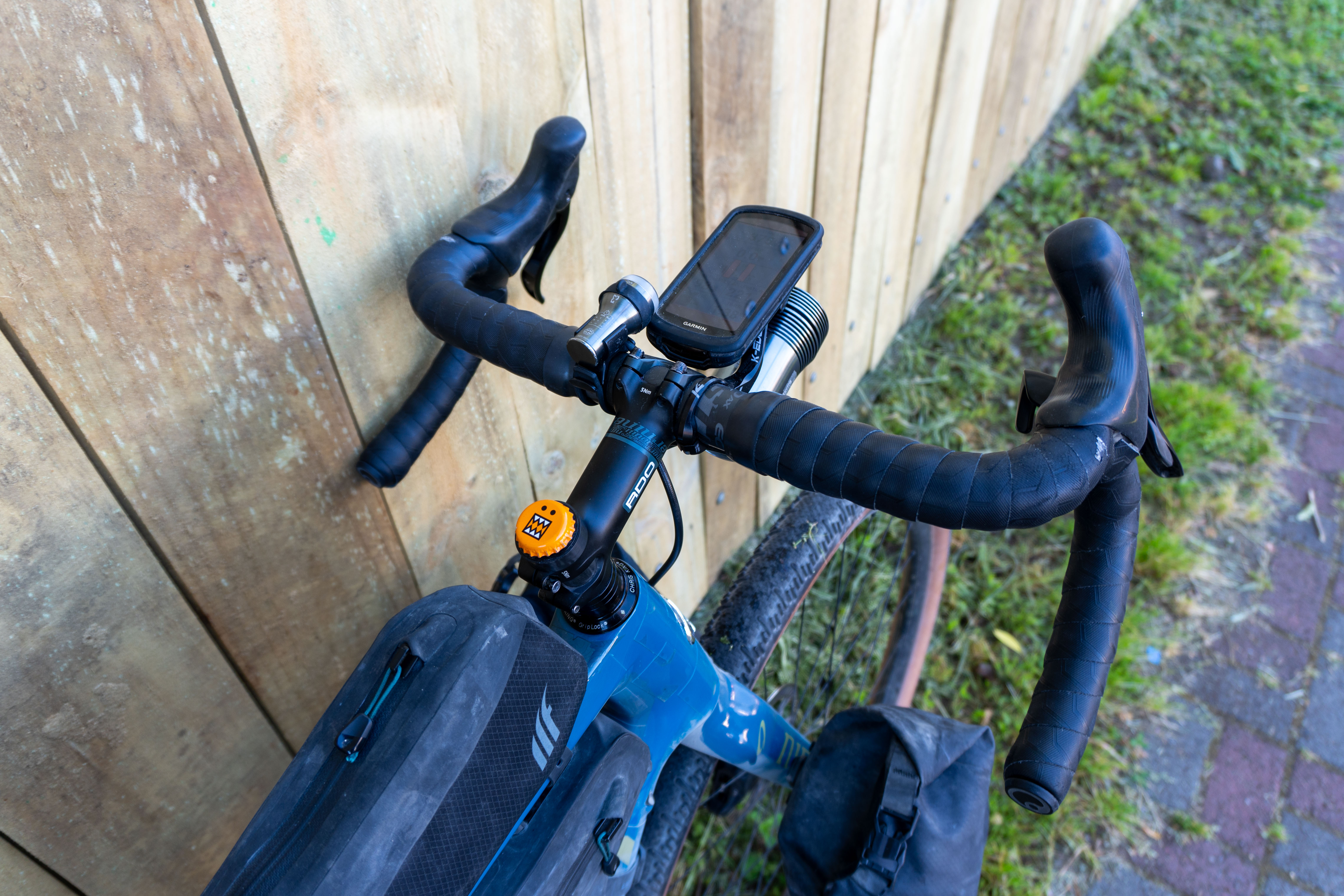
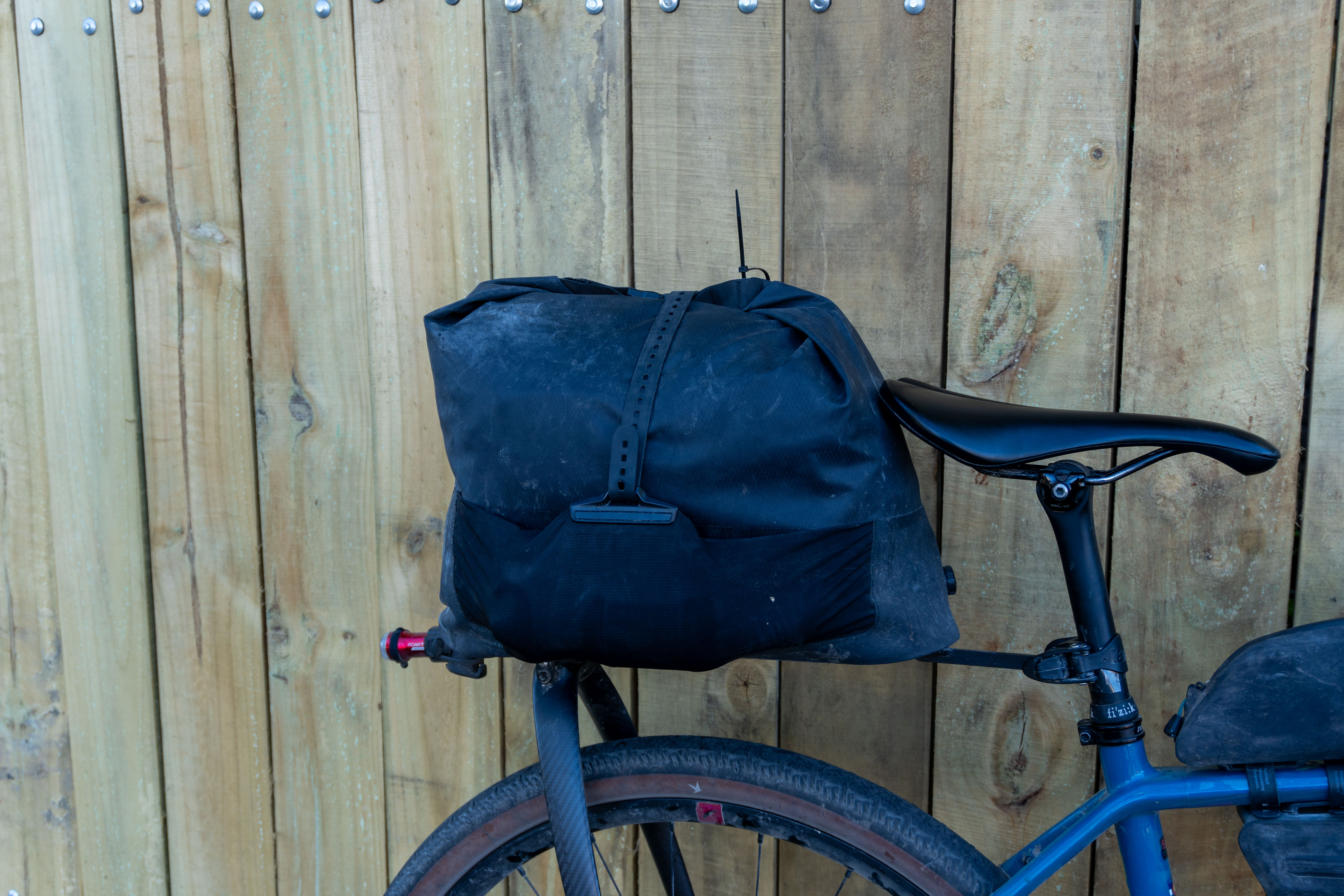
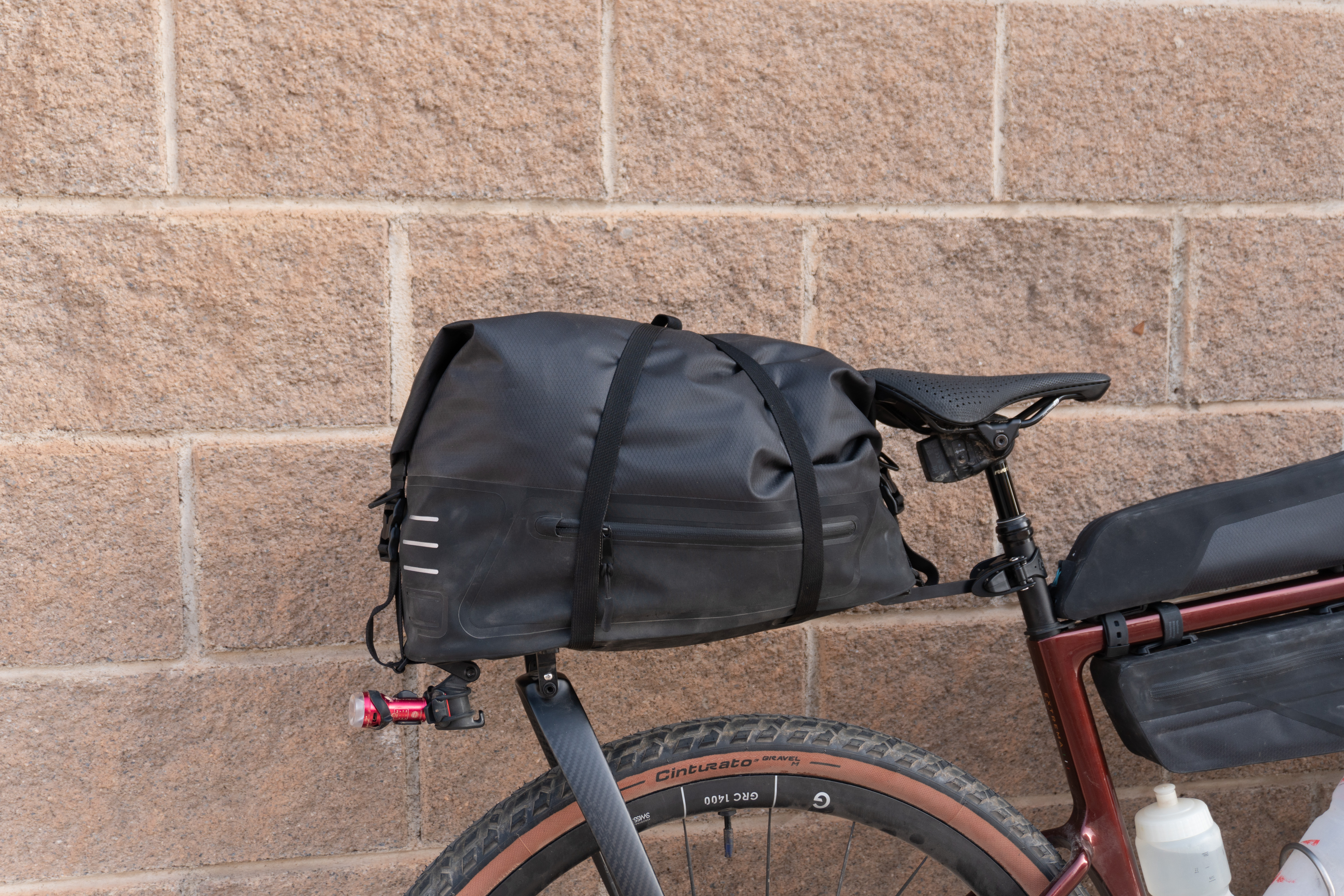
In terms of luggage, I ran my tried-and-tested Tailfin CargoPack, as well as the brand’s Long Top Tube Pack and Frame Bag.
Since this bike runs narrow 40cm bars, I opted for two Tailfin fork packs instead of a bar bag.
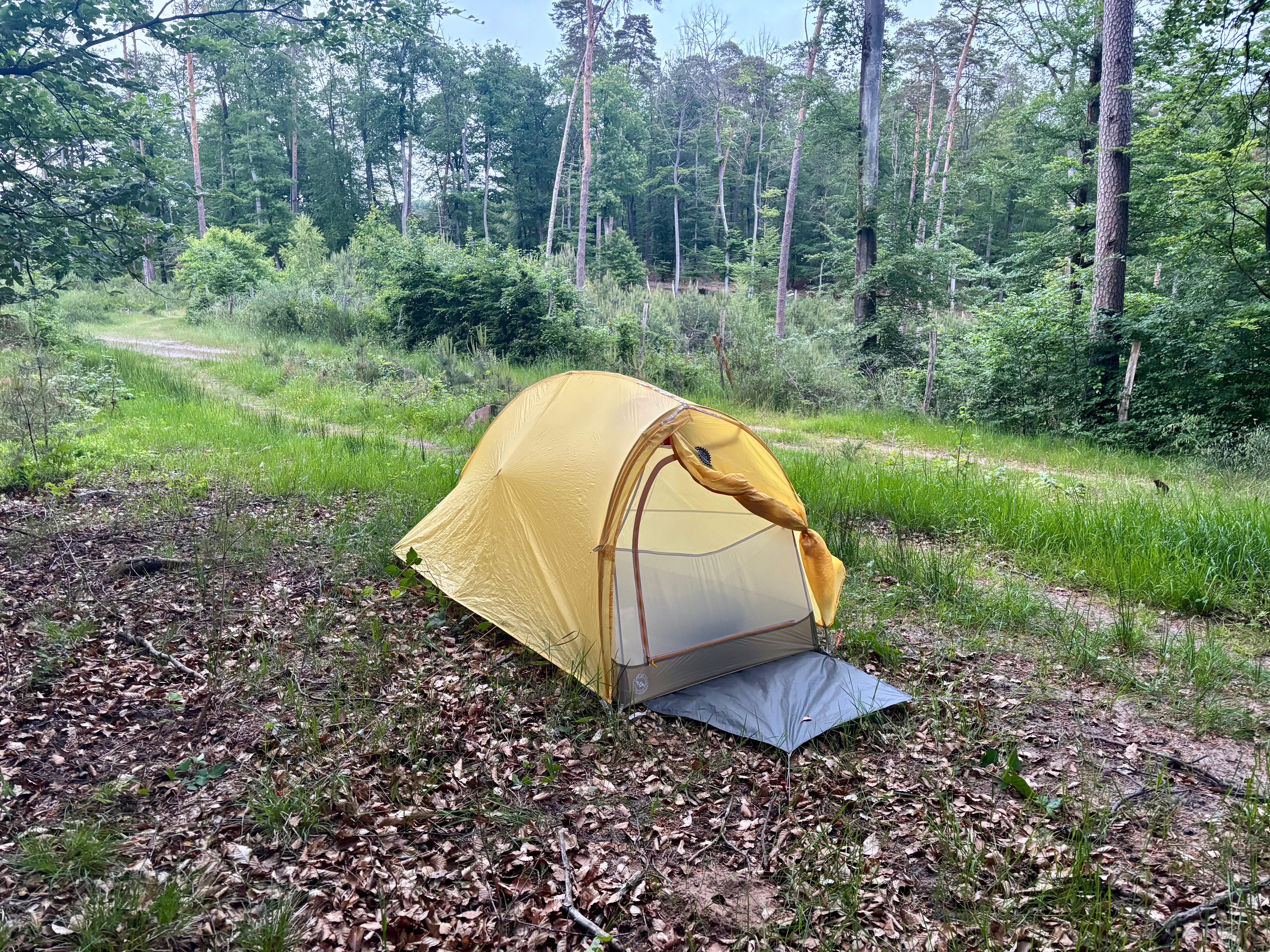
My sleeping gear included a Big Agnes Fly Creek HV UL1 Solution Dye bikepacking tent and accompanying footprint (I sleep better in a tent than a bivvy!), a Sea to Summit Ether Light XT Insulated Air Sleeping Mat and Aeros Premium Pillow, plus a Spark Ultralight sleeping bag.
I also carried a Patagonia MicroPuff down jacket and an über-lightweight 7mesh Guardian Air waterproof jacket I’d recently received for review.
While I’ve used an Apidura Backcountry Hydration Backpack for my previous ultra-races, I changed to a smaller Velocio Hydration Pack for this because I find it more comfortable on my back.
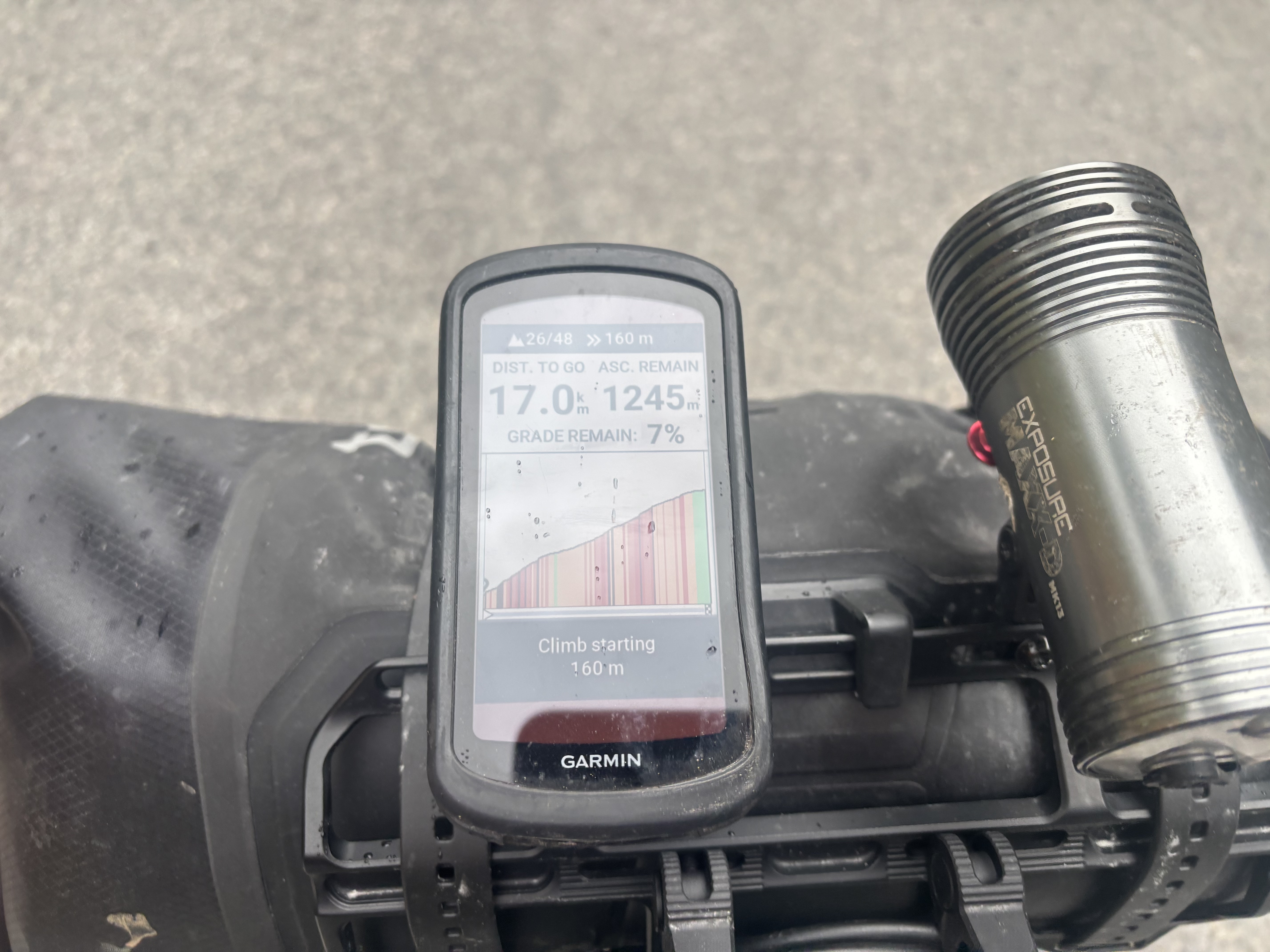
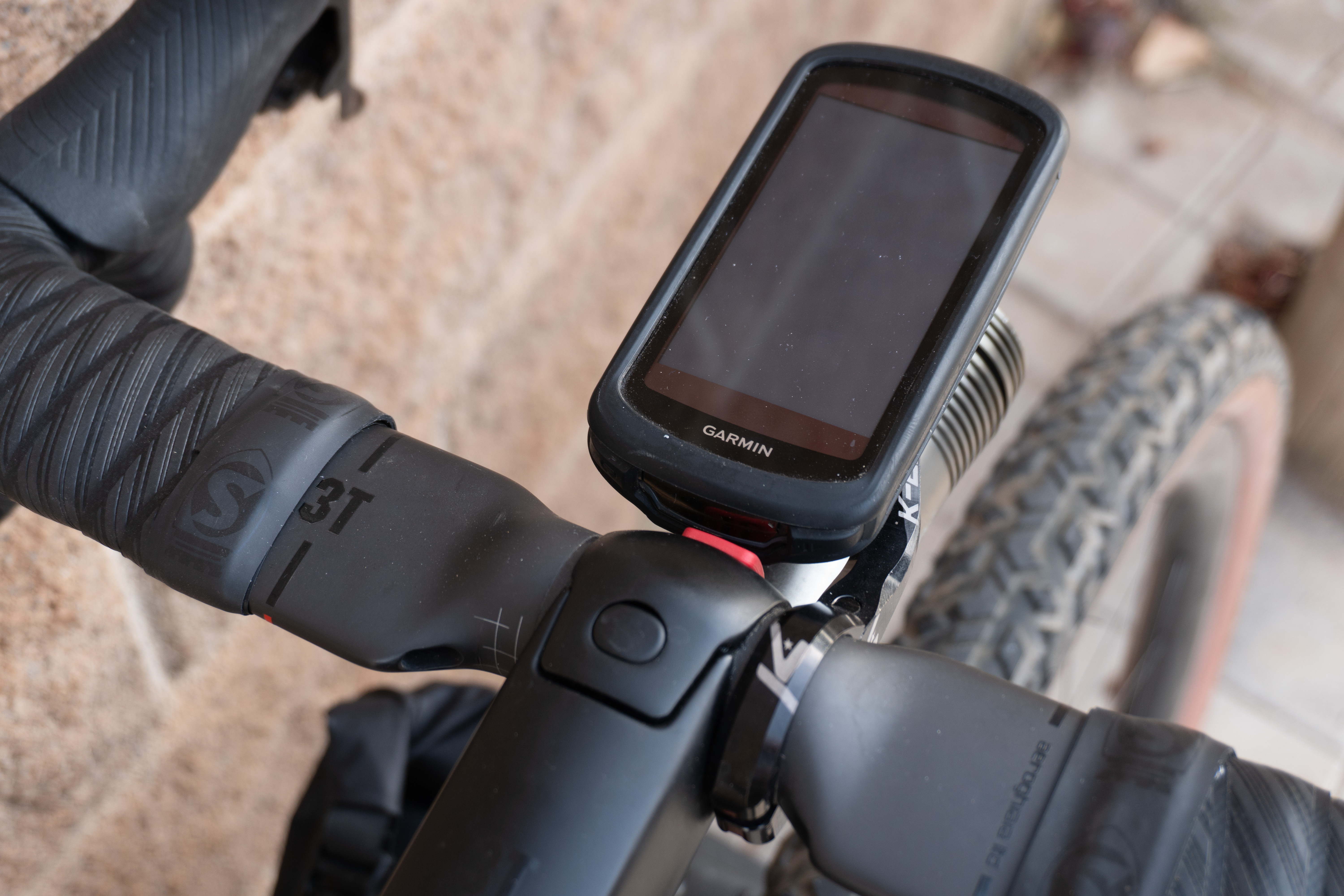
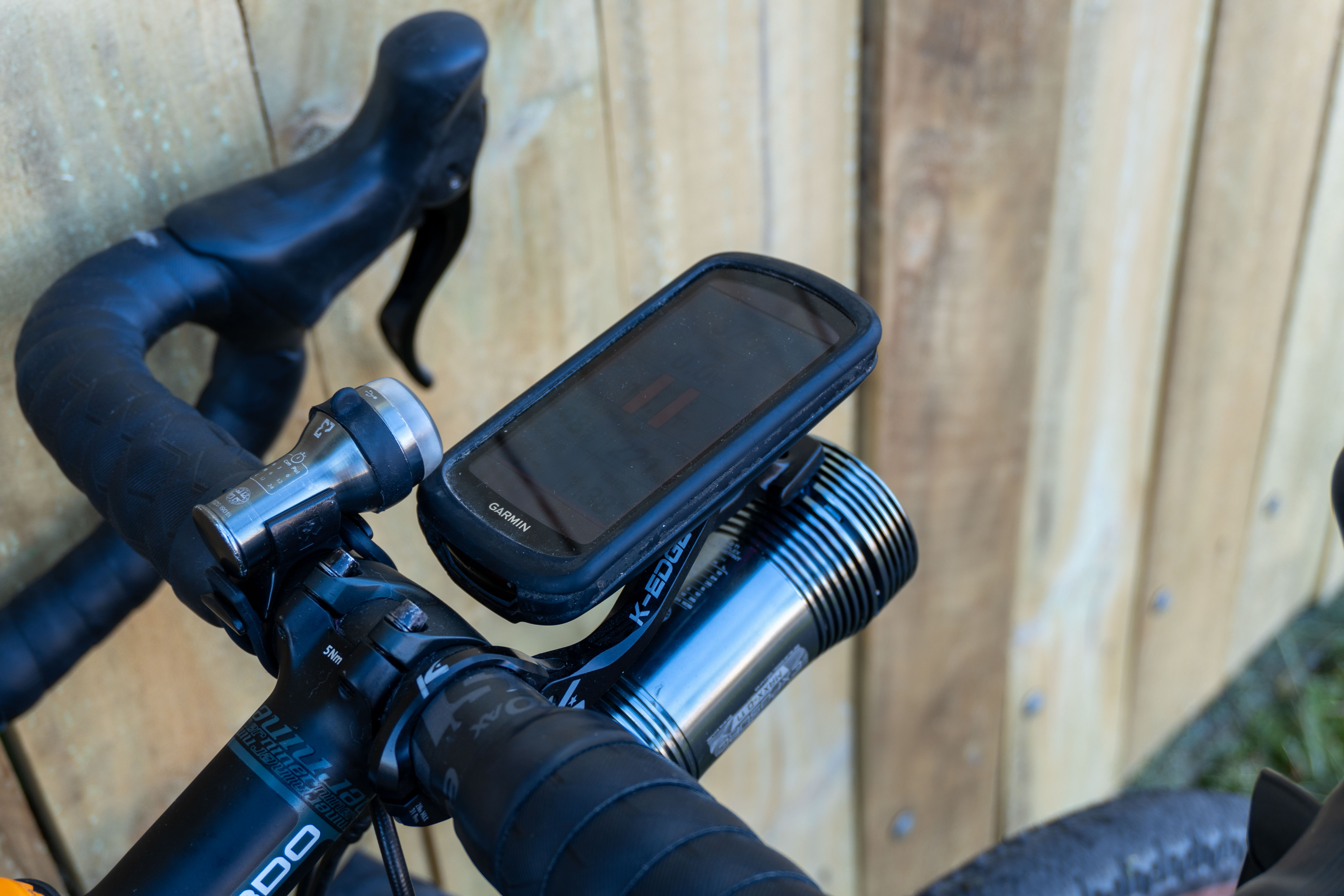
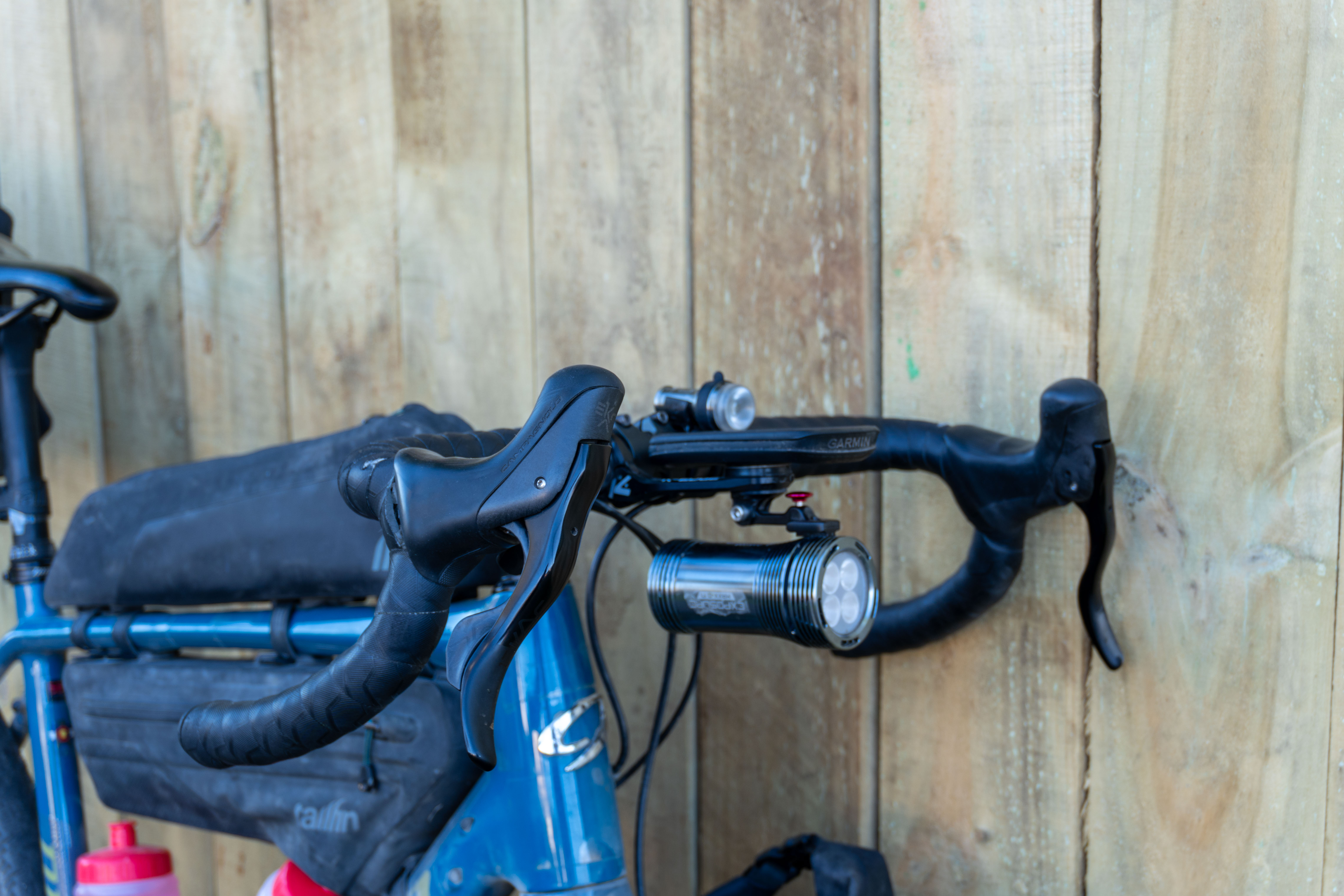
Finally, I relied on my proven Garmin Edge 1040 Solar for navigation, plus a new Exposure MaXx-D Mk17 front light. I’d previously used the Mk13, but this latest update now has USB-C charging, meaning I didn’t have to carry a separate charger.
The first day kicked me in the balls
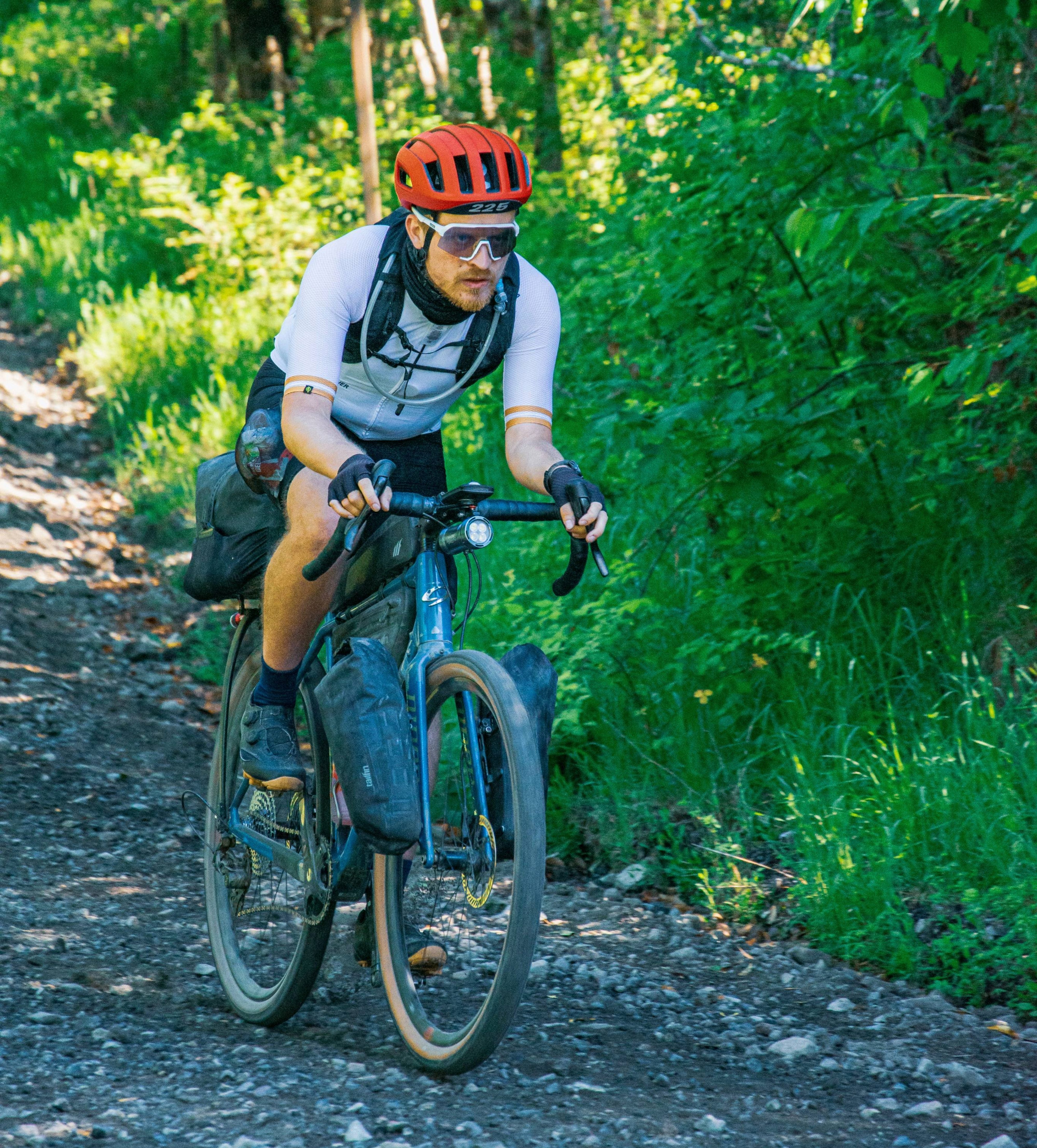
Things fiercely kicked off as we left Pucón, but I kept off the gas and let the front pack do their thing. Having recced the opening 10km, I knew there was a short but very steep ramp to negotiate.
And that seemed to be the theme of the day, as the first 104km gradually rose to 1,100m elevation. The climb was gradual but on poorly-maintained gravel, peppered with short 20% ramps that sapped my energy.
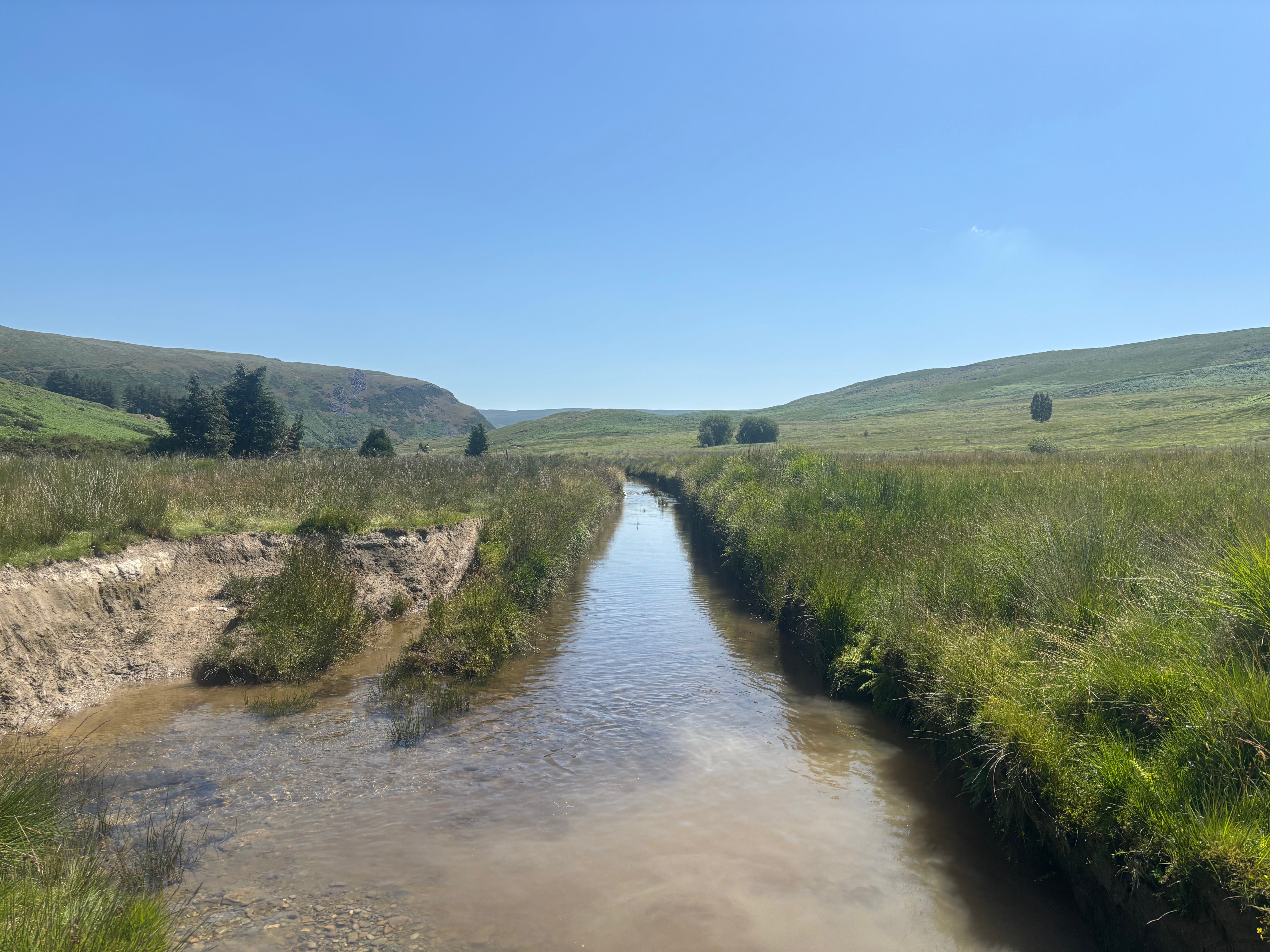
I’ve been fortunate to ride in many different countries, and I’ve experienced the whole gamut of gravel conditions, from perfectly manicured Norwegian hardpack to rough and rocky Croatian gnar. The Araucania Andina region makes Croatia feel as if you’re riding on pristine tarmac.
You’re riding on this corrugated washboard gravel, which means it’s really difficult to pick a line. Veer too close to the path’s edge and you’ll struggle to stay upright, plus the vibrations really punish your hands and feet.
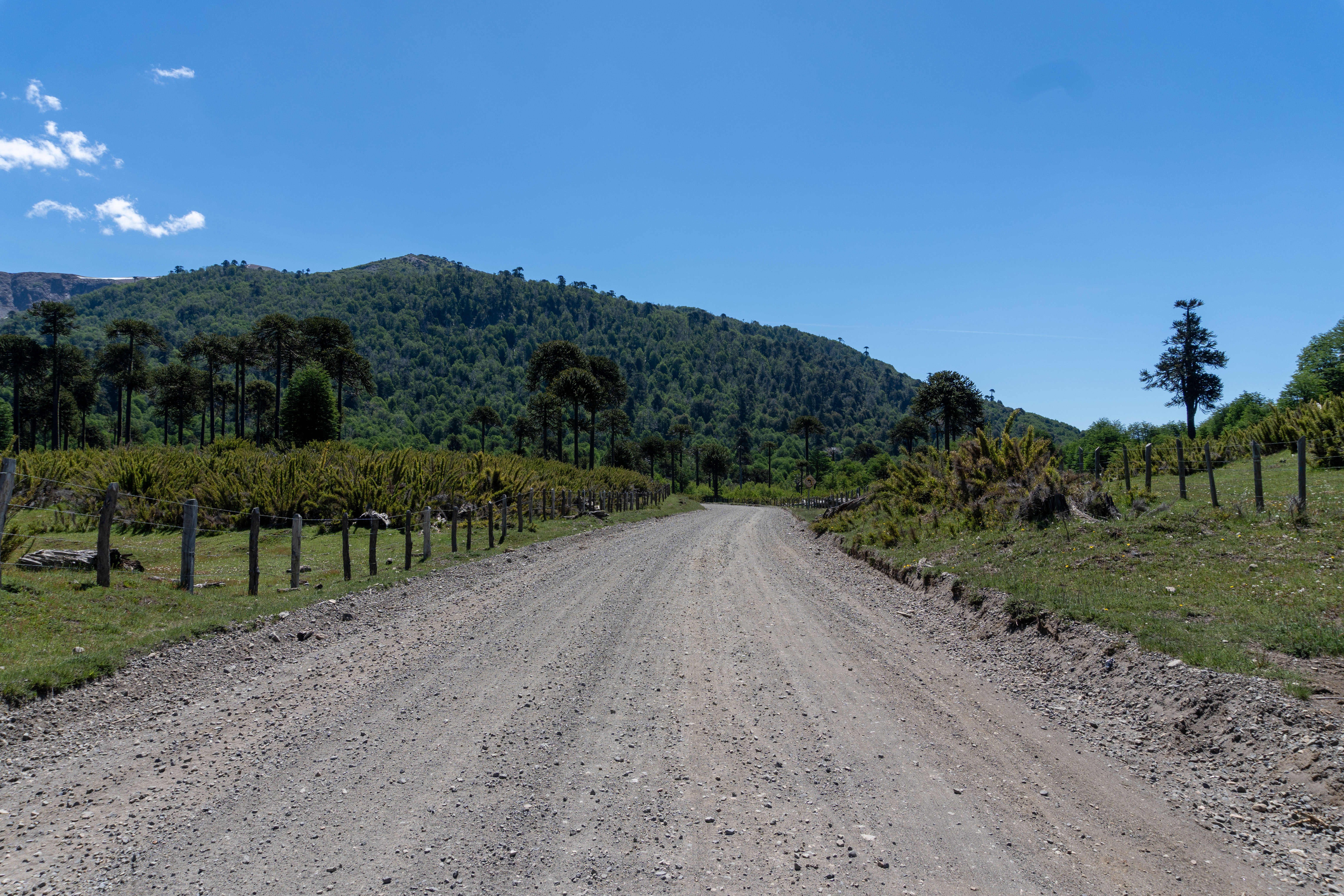
All these factors combined meant I just couldn’t find a rhythm, and then the uncomfortable heat kicked in as it began to reach midday.
Until this point, my experience of Chile over the previous two-and-a-half weeks travelling was that the mornings were pretty fresh and it took a while to warm up. Not today though – it was roasting.
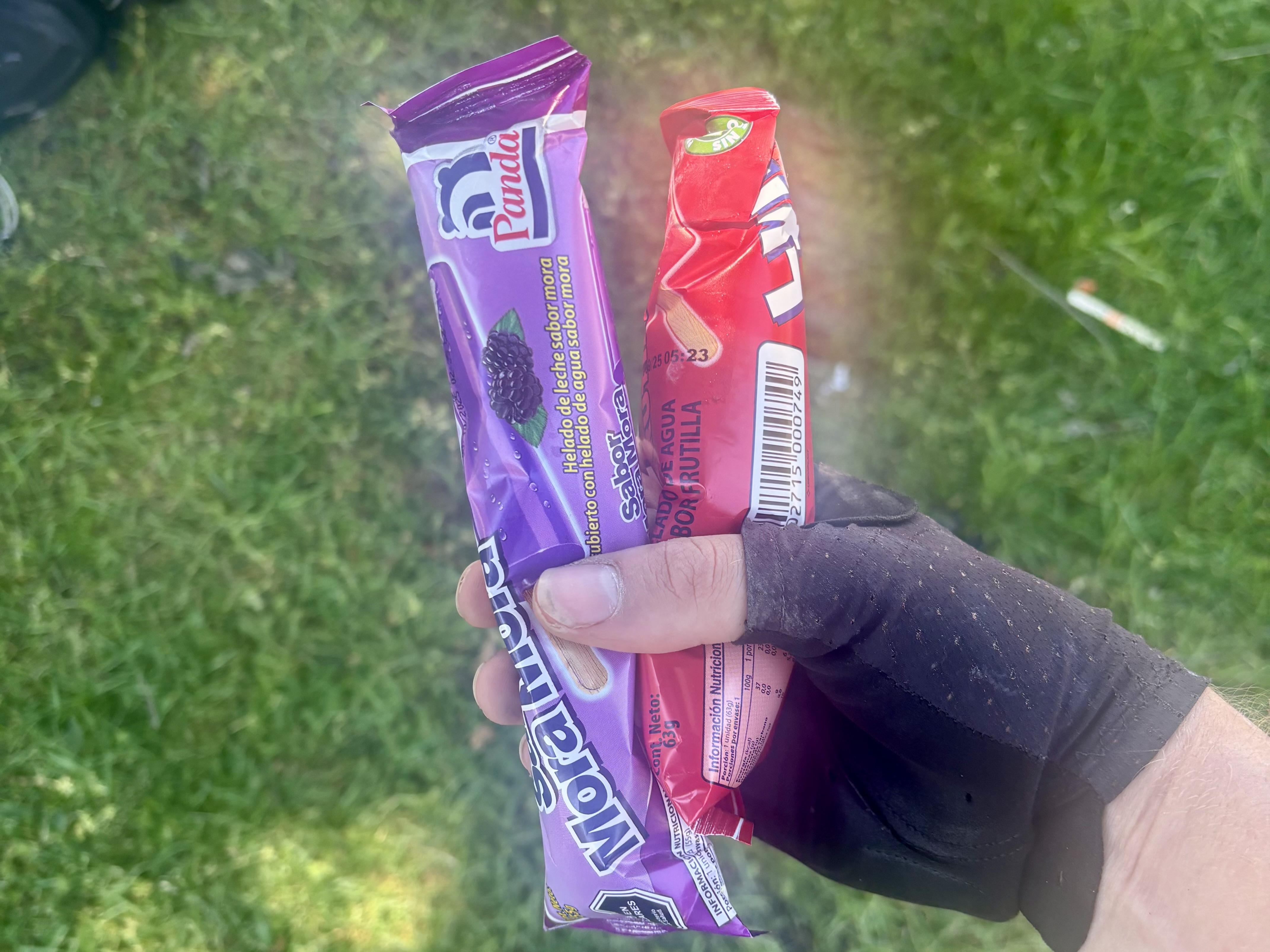
Just like at Badlands, I had to take regular shade breaks and an ice cream stop (two for the princely sum of 58p!) was very welcome, as was a man watering his garden with a hose who sprayed passing riders to our relief and his amusement.
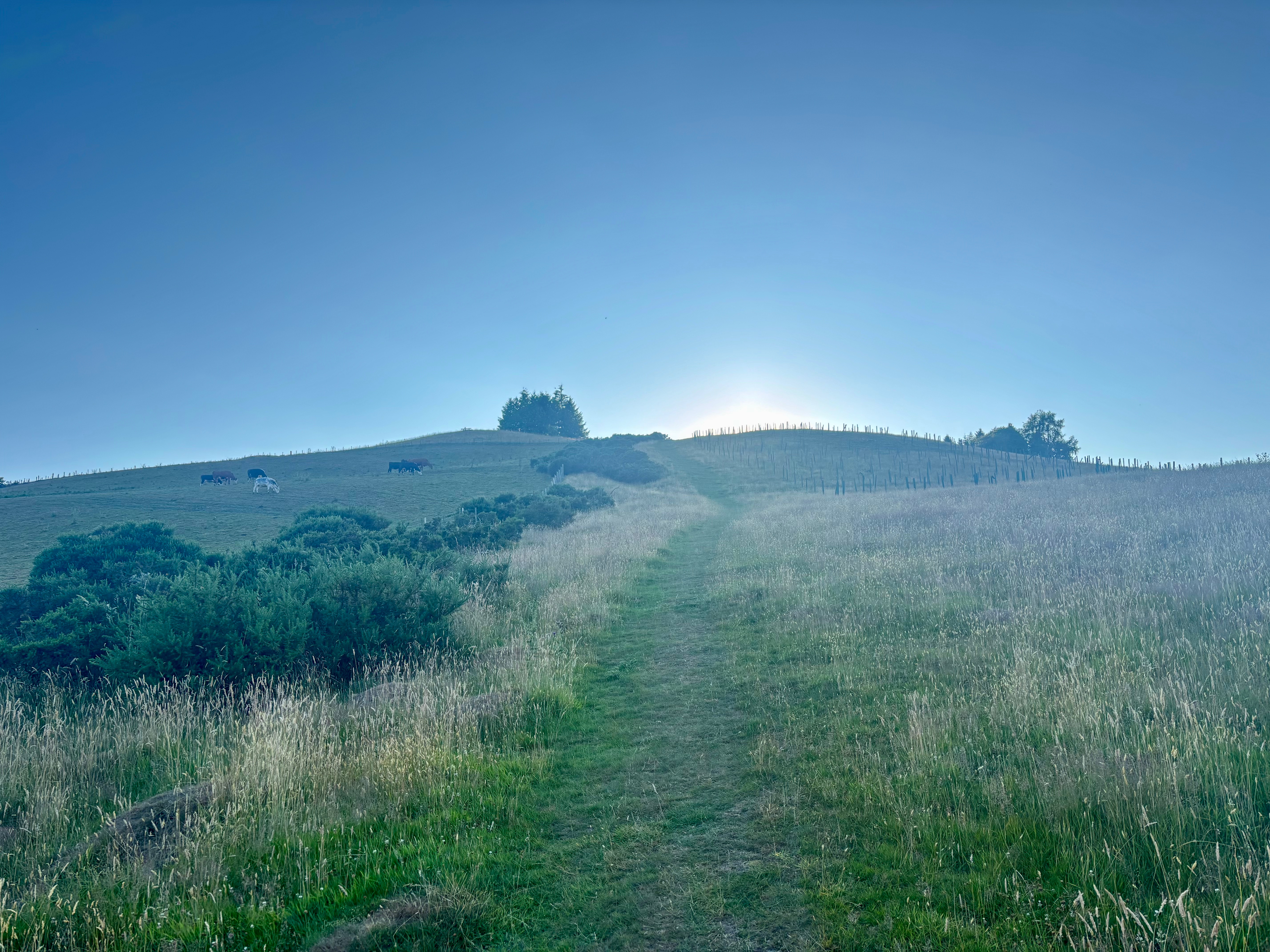
I’ll never forget the moment a snow-capped volcano made a sudden appearance in the background in what had been largely shaded forest, with cows grazing in the pampas below. All the image needed was a gaucho herding them, but the only one I saw on the entire ride was on his phone as we passed each other – a sad reality of modern society.
Component casualties
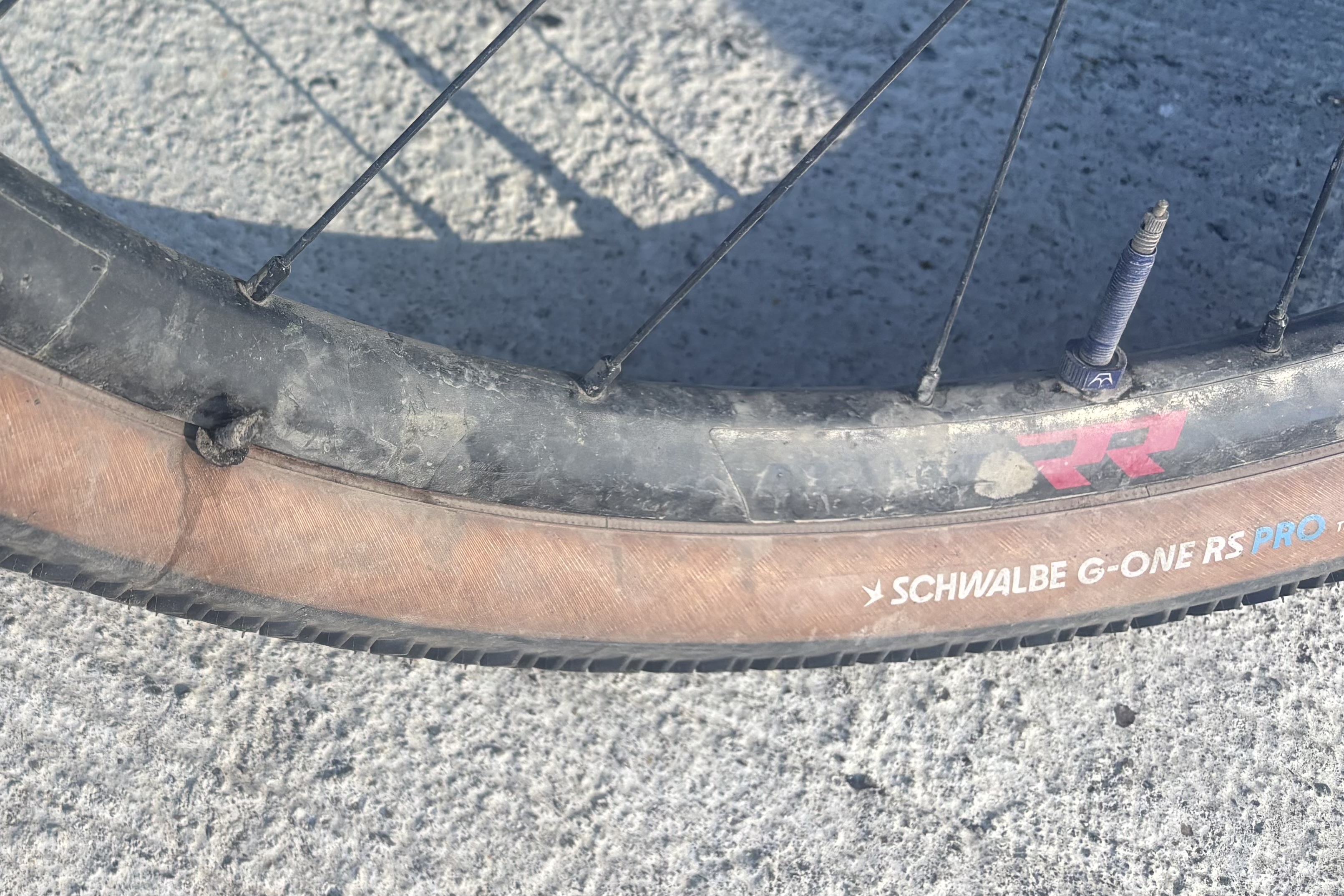
At the 150km mark, I was descending beside the crystal-clear Lago Colico, hit a rut and then heard the familiar hiss of my front tyre deflating. I quickly discovered the problem by the trailside – a sizeable sidewall cut.
I unpacked my Silca Elettrico Ultimate electric pump from my frame bag – I’d received this for testing earlier in the year and although it’s weightier than my benchmark Cycplus AS2 Pro, it’s got a meatier battery, which is a boon for bikepacking.
As soon as I retrieved it, I sensed something wasn’t right as soon and lo and behold, nothing happened when I tried to inflate the tyre to encourage the sealant to work its magic. The Chilean gravel had been so punishing that the pump’s internal motor had detached, rendering it useless.
Fortunately, I always carry a back-up mini-pump (just in case the electric one runs out of juice), but the cut was too big for the sealant to repair it.
I then got to work plugging it, but the bacon strips my WTB TCS Rocket Tire came with were too small to seal the hole.
Luckily, another rider passed me and asked if I was okay, so I took the opportunity to see if he was carrying any plugs. He quickly presented a whopper of a plug, saving my bacon (if you pardon the pun!). I didn’t get the rider’s name or cap number, but my race would have been over without him.
The sidewall is the worst place for a hole, so I pondered how I was going to get around the remaining 650km.
We’d be passing through Cunco, the town where Checkpoint 2 was also located (which was on the intersection of the route’s northernmost loop, which we’d closely pass before Checkpoint 1), which I could see from my brevet card that it was sponsored by Schwalbe, so I messaged Mariano to see if there’d be any spares there.
He quickly replied there wouldn’t be, so the only other options I had available to me was to get a replacement tyre in Villarica (although that was at the 525km mark), or to take a taxi either to there or Pucón and then return back to the point I left the course.
The problem was the cut-off for Checkpoint 1 was at 6pm the next day – factoring in a shop opening at 9am, removing and reinstalling a new tyre, then getting a lift back to where I’d left the course meant there’d be little margin for error.
I decided to chance my luck and continue – I had two spare inner tubes with me if it came to the worst. Fortunately, that tyre would go on to hold for the rest of the race.
It was a long stint into the night and I arrived at Checkpoint 1 just after midnight, having covered 208km.
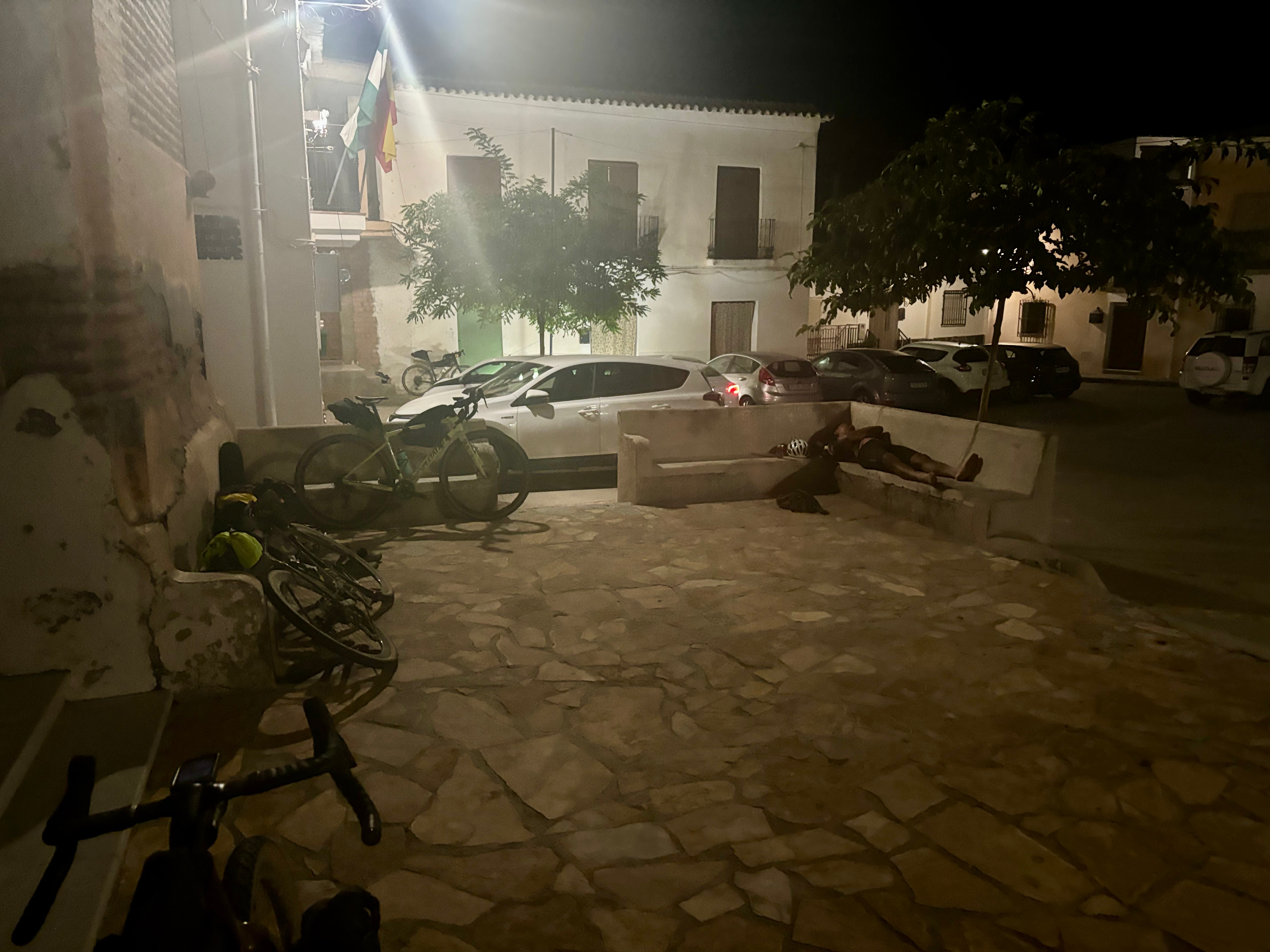
All the rooms were taken so I lay on a sofa that was too short for me, my legs dangling off the end; I slept dreadfully. Other riders trickled in through the night and slept on the floor – a true audax hotel experience!
The Queen Stage
During the pre-race briefing, Mariano warned us the 130km run-up from Checkpoint 1 to the summit of the Cuesta de las Raices climb was the toughest section, with the final climb the route’s hottest section in the day and the coldest at night.
Icalma Pass, which came quickly after Checkpoint 1, was very rude and it had the three of us who were riding together hiking it very quickly.
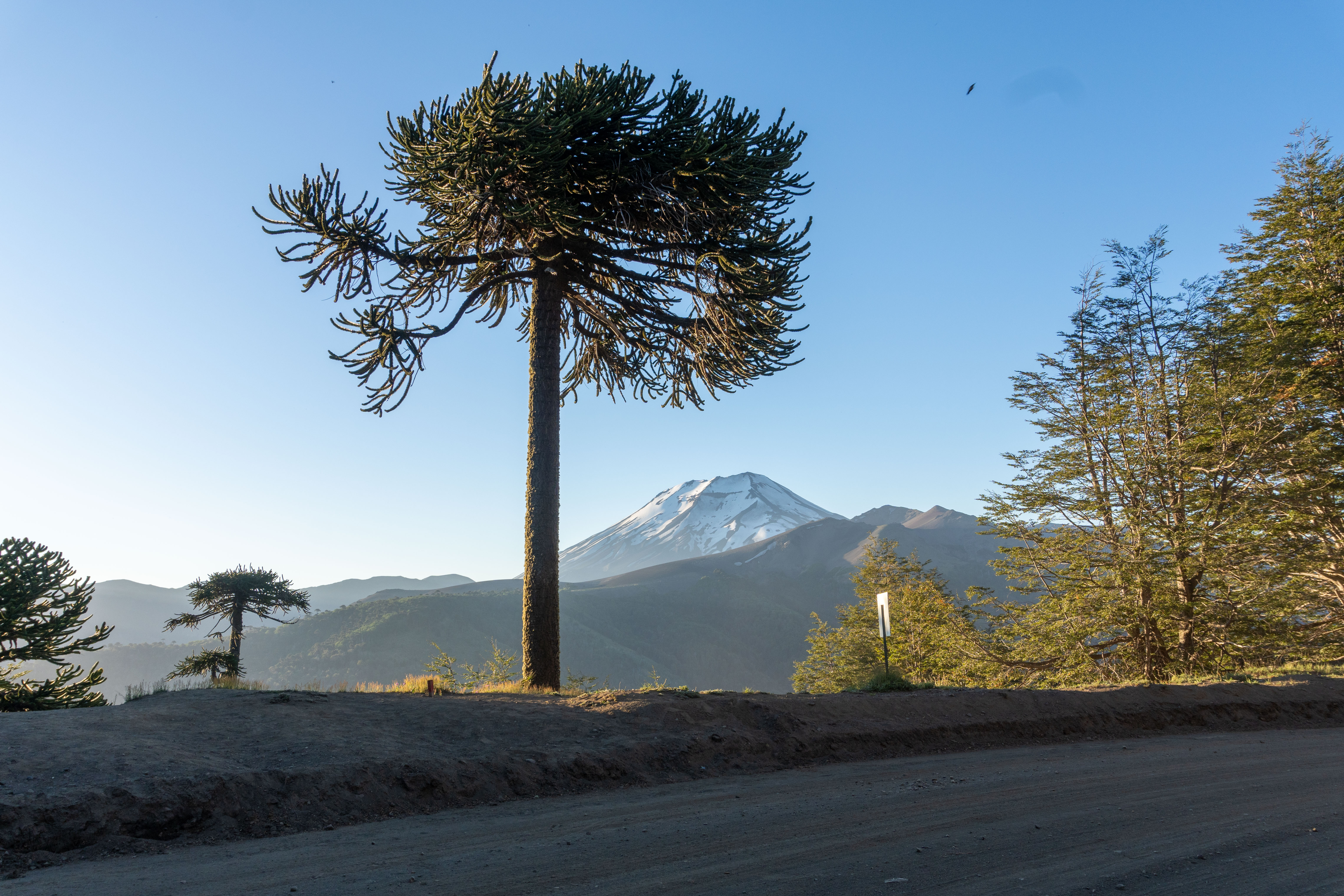
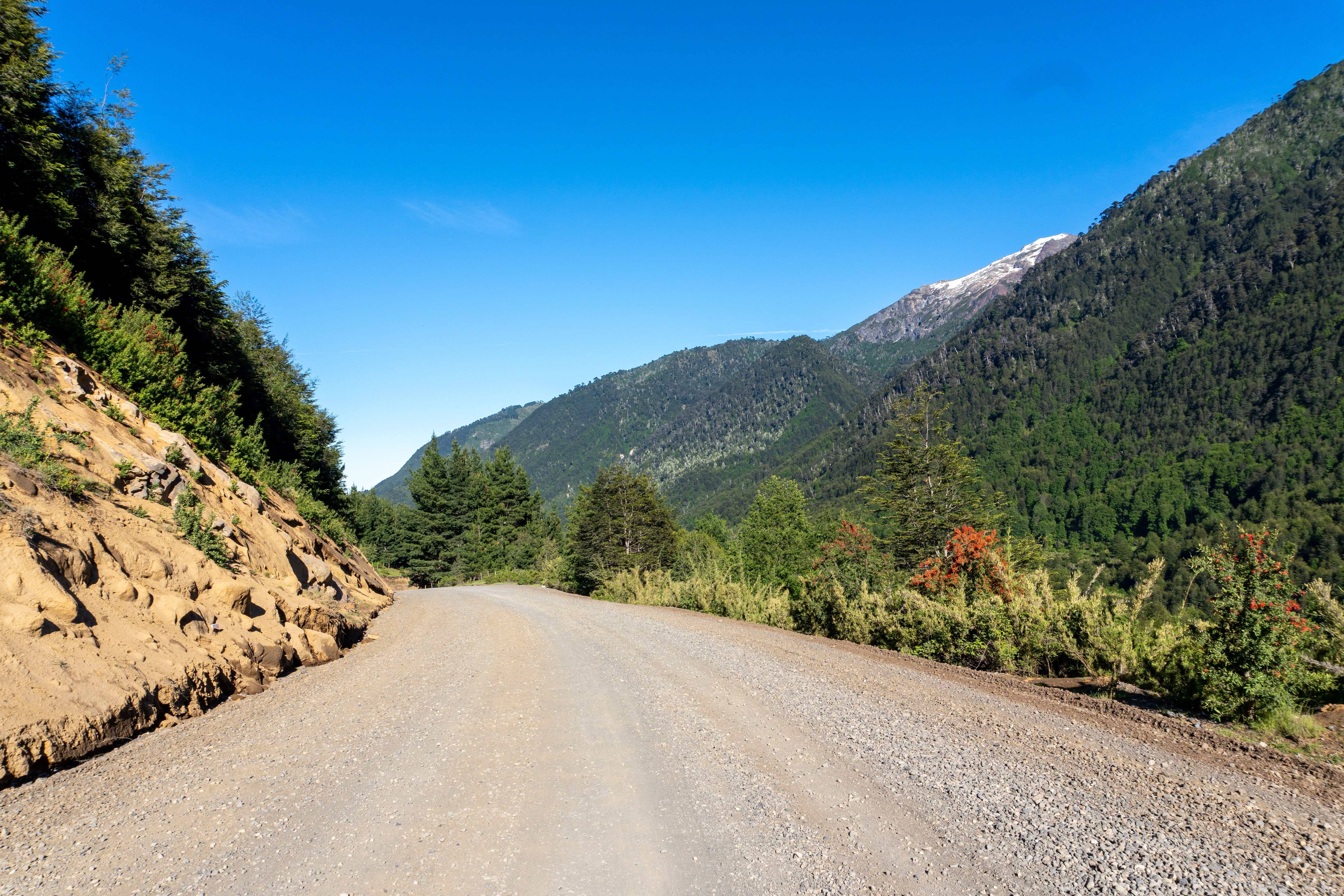
The reward that followed was worth the suffering though, as we began the Araucania Andina section with the striking monkey puzzle trees. The temperature soon turned up to eleven though, with little shade to be found on the bone-shaking gravel, so I took regular breaks where I could, and that was on top of feeling ropey after my terrible sleep.
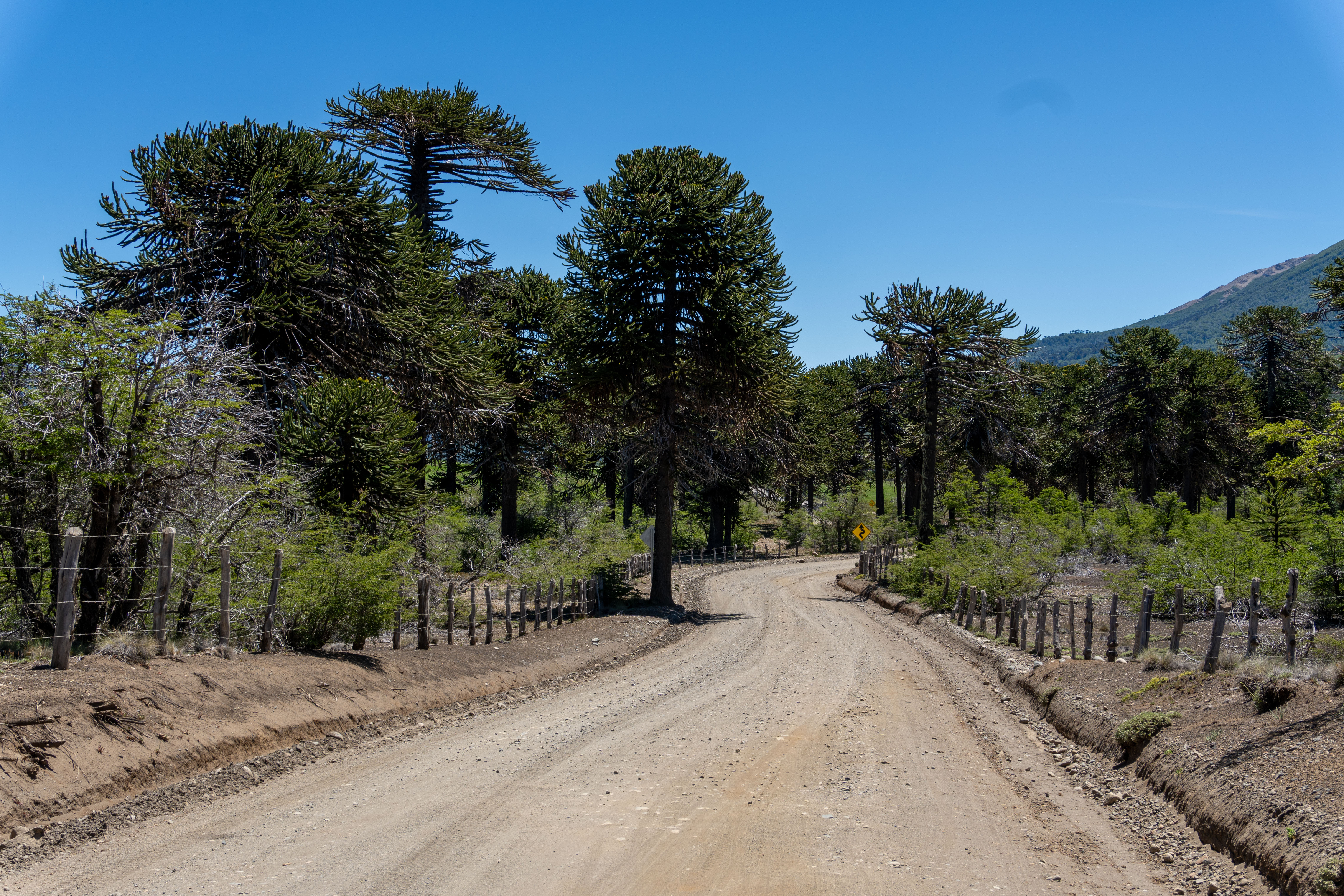
Towards the end of this stretch was when I met Carola Fresno (cap 277) and a pair, Tarek Halasa and Heiner Steidle (cap 334), who I’d end up riding or yo-yoing much of the race with.
We eventually arrived at Lonquimay, the town at the base of the Cuesta de las Raices where we resupplied.
The climb wasn’t as arduous as others had made it out to be, perhaps because we hit it in the late afternoon. It began as a steep road climb and then headed off-road, but the surface was always rideable – both the gradual climb in the first 100km and Icalma Pass were far more upsetting.
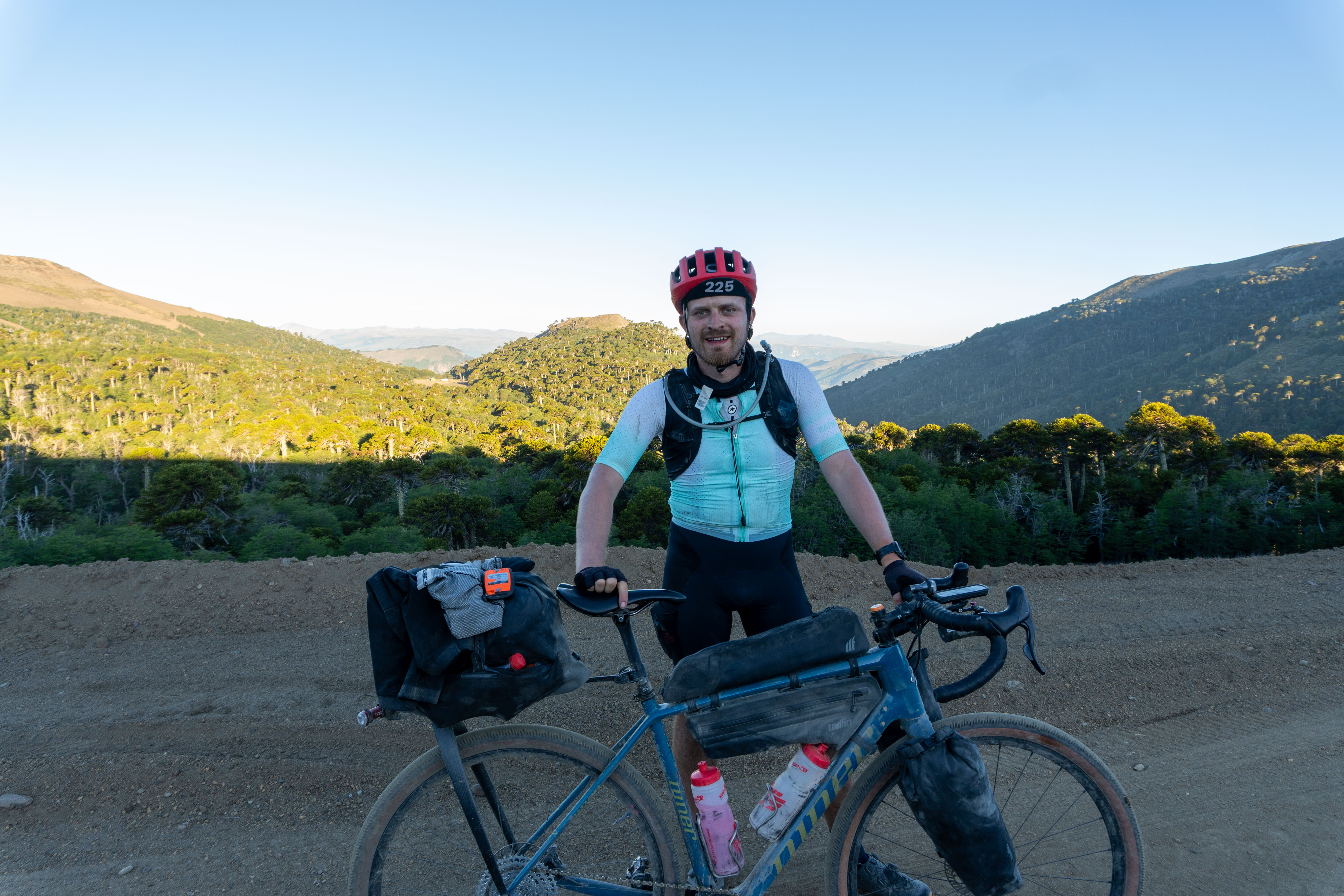
Just after the summit was Alpina Lodge, an Across Andes-organised stop (but not a checkpoint). Although it was still light when we arrived, we decided to call it a day after 130km of running on empty, given there was the option of a bed (and washing machine!).
Tackling the volcano
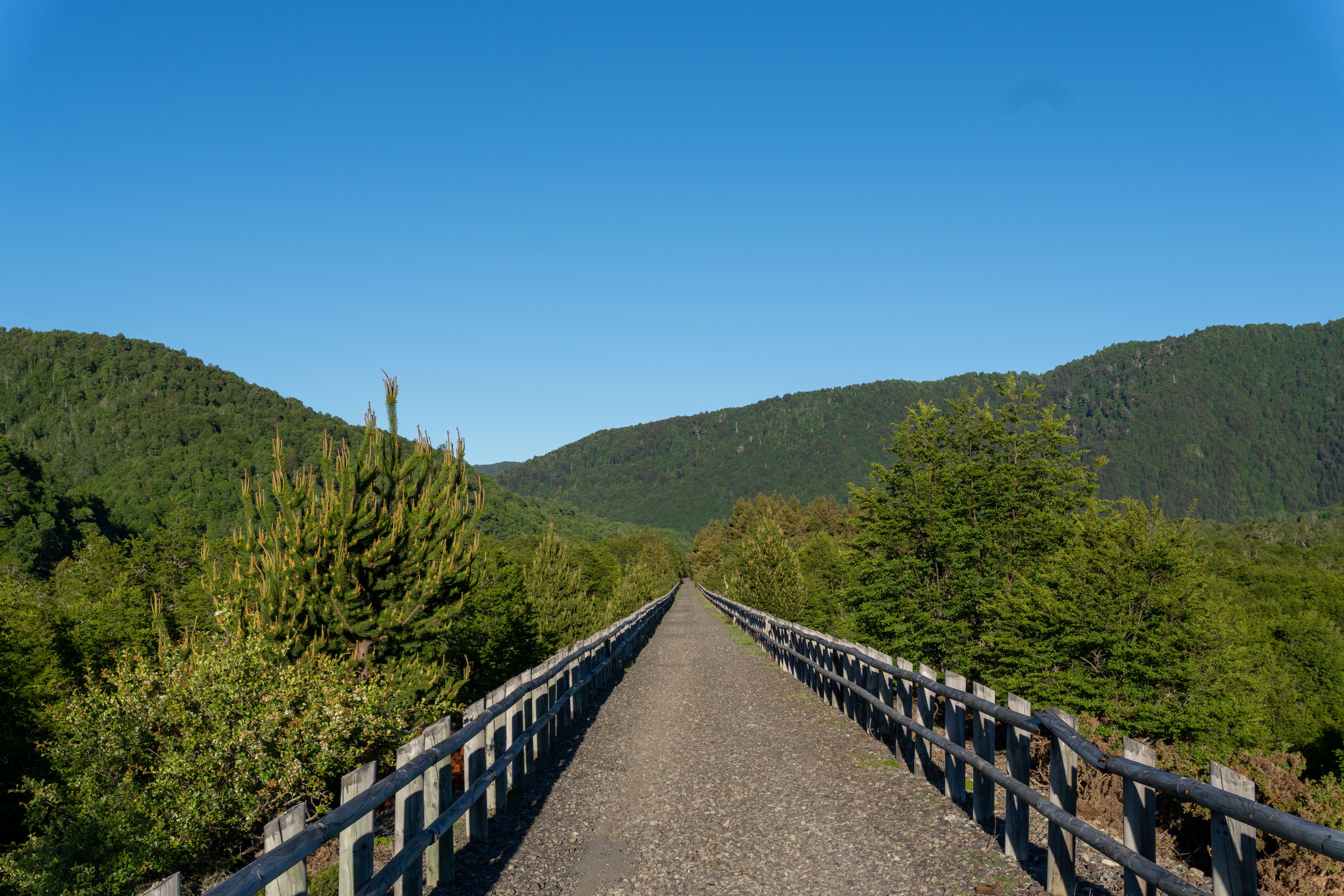
The decision to sleep at Alpina Lodge proved the right one because there was precious little over the next 130km.
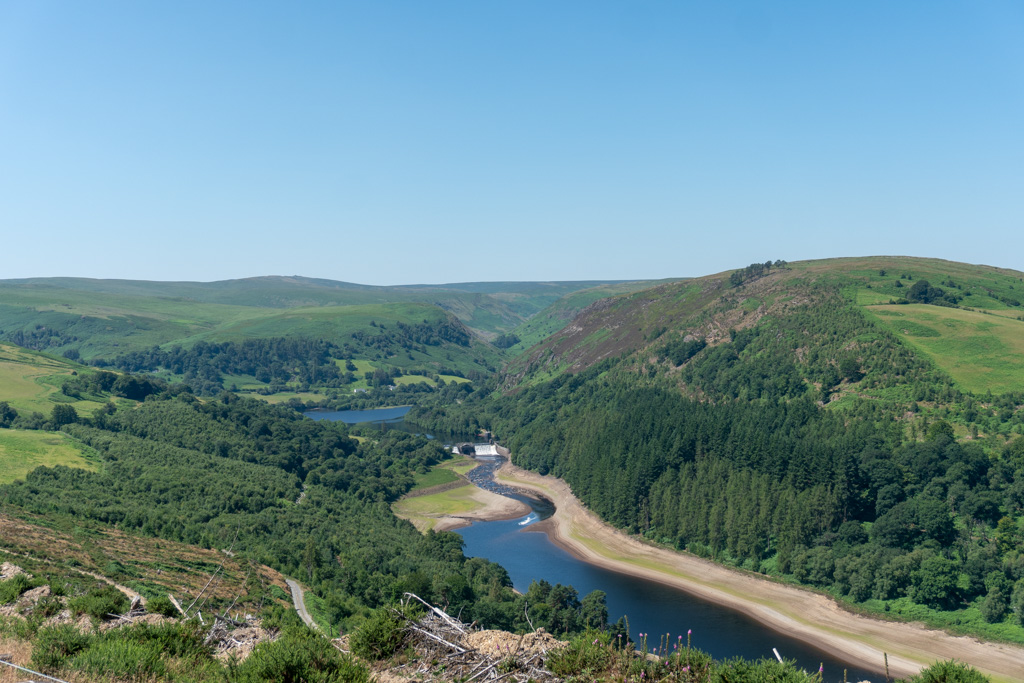
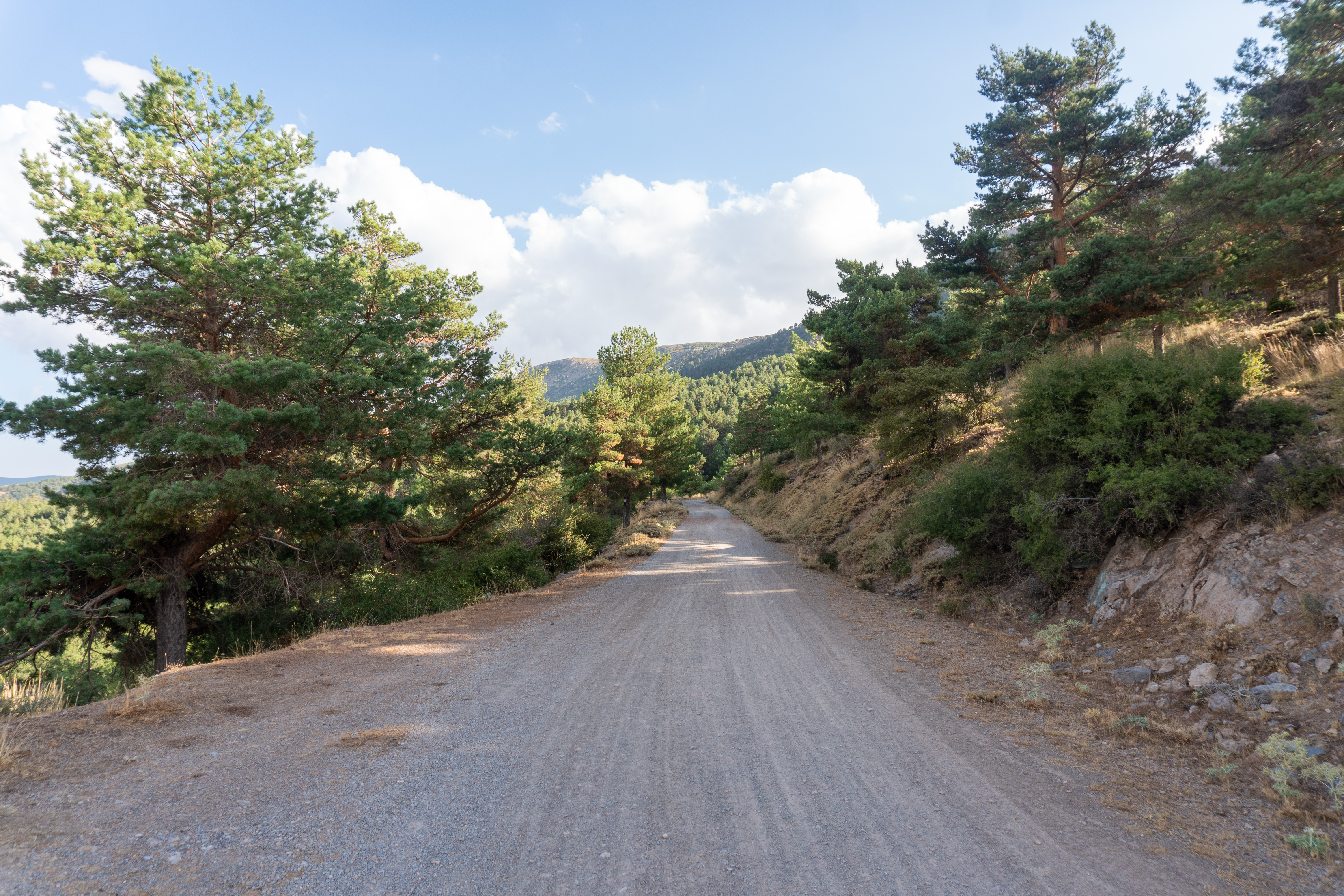
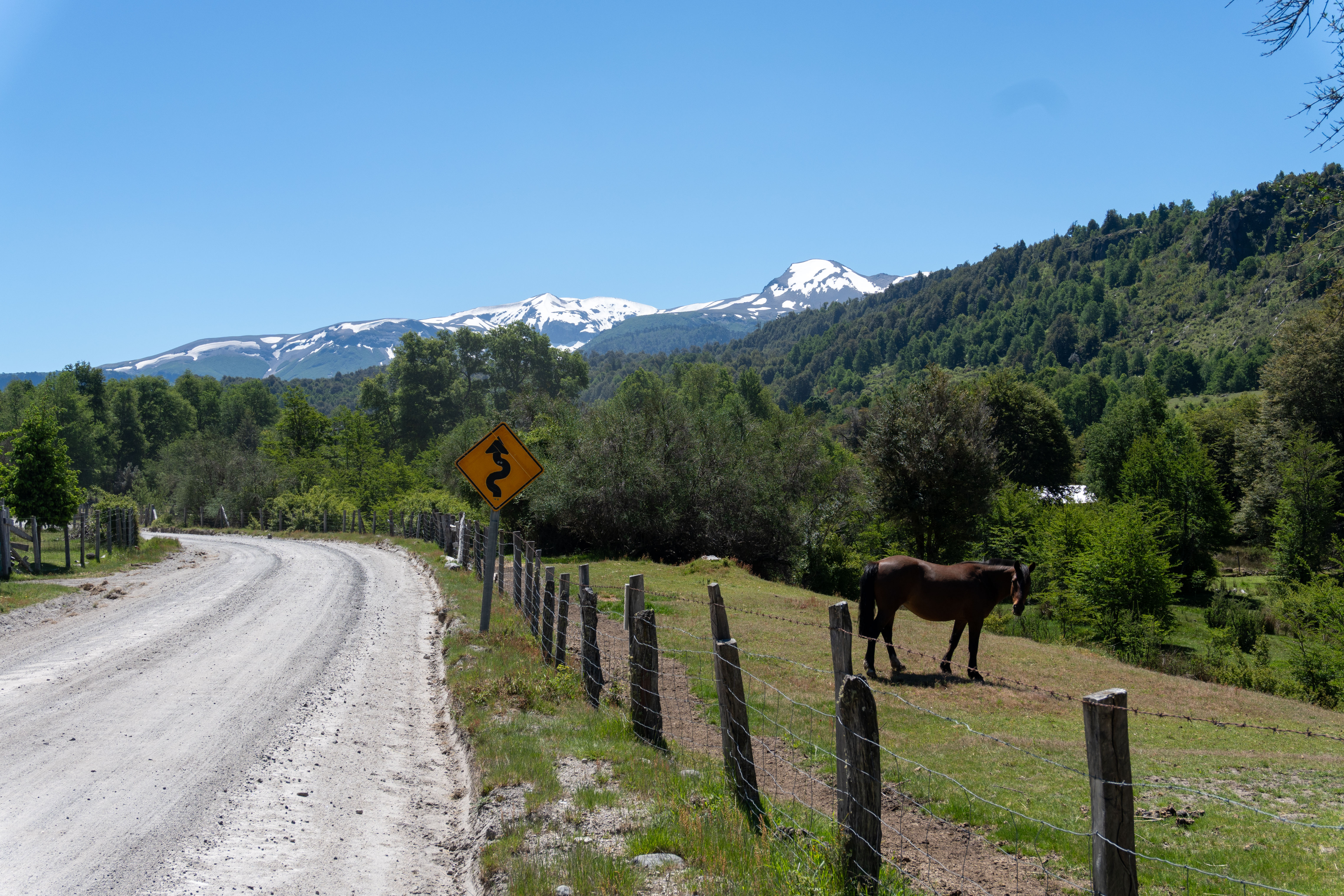
After a thrilling tarmac descent, we were taken onto what’s possibly the most scenic cyclepath I’ve ever ridden, before we ventured off-road deep into the ash-and-lava-scarred Conguillío National Park, where a steep mountain climb awaited us with views of Volcán Llaima.
A lot of this climb required walking, with the double-digit gradients and rough volcanic black sand proving difficult to negotiate.
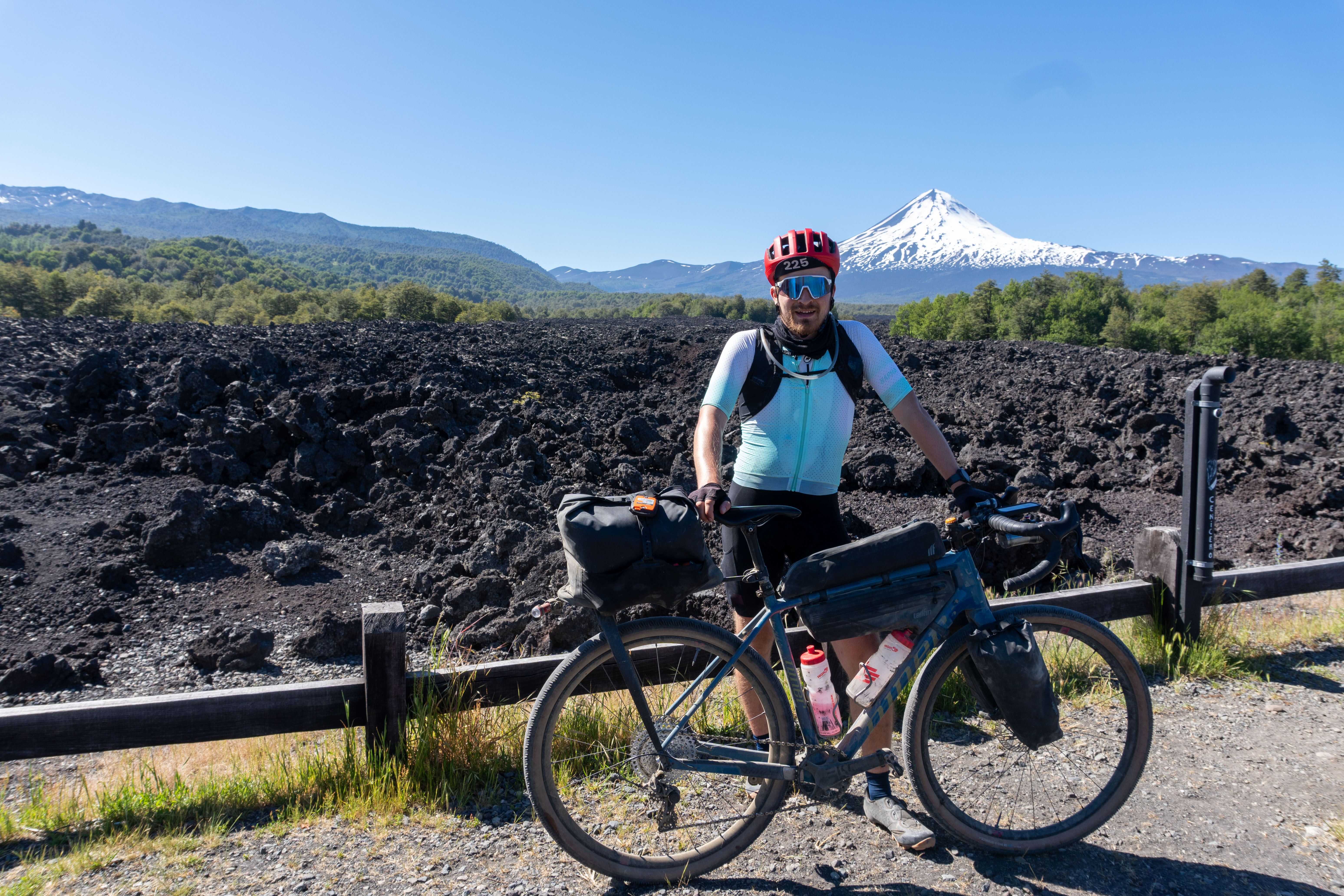
It was scorching as Carola and I crested and rode along the undulating mountain top and we both had to take regular shade breaks. We were also both starting to run out of water – we’d missed diverting off the route into Cherquenco (which we later learned other riders were doing) to resupply.
Carola dropped back and Magnus Johansson (cap 228) and Anna Berlin (cap 262) caught me up shortly after – we quickly made up some distance because they were so easy to talk to.
The water, emergency Coke and ice cream was a real treat once I eventually reached the road. After having a decent feed at Checkpoint 2 shortly after, I decided today’s goal would be a hotel in Villarica at 525km.
It proved a long drag to get there, with a memorable hike-a-bike in the dark up a steep climb, where I spotted two tarantulas on the trail – not something you see every day!
The final loop is not flat
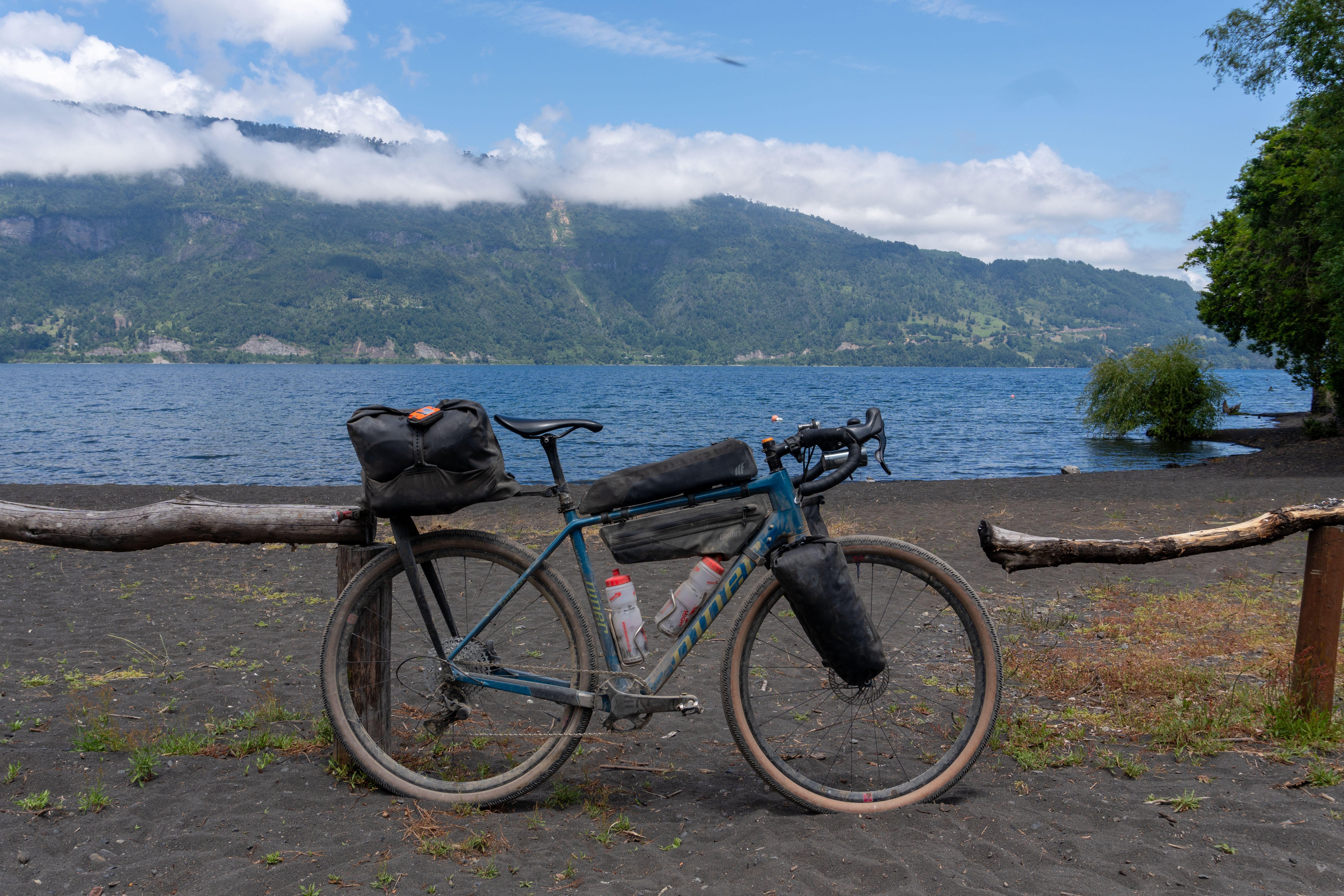
The final loop after Villarica looks fairly innocuous on the elevation graph, but it’s full of short and sharp climbs, which don’t suit me – I’d much rather a longer climb where I can get into a rhythm.
At least three of these required walking, and I was running on fumes after the first three days’ punishment.
That didn’t stop me from embracing the spectacular scenery, from the Calafquen and Panguipulli lakes to the imposing Choshuenco volcano.
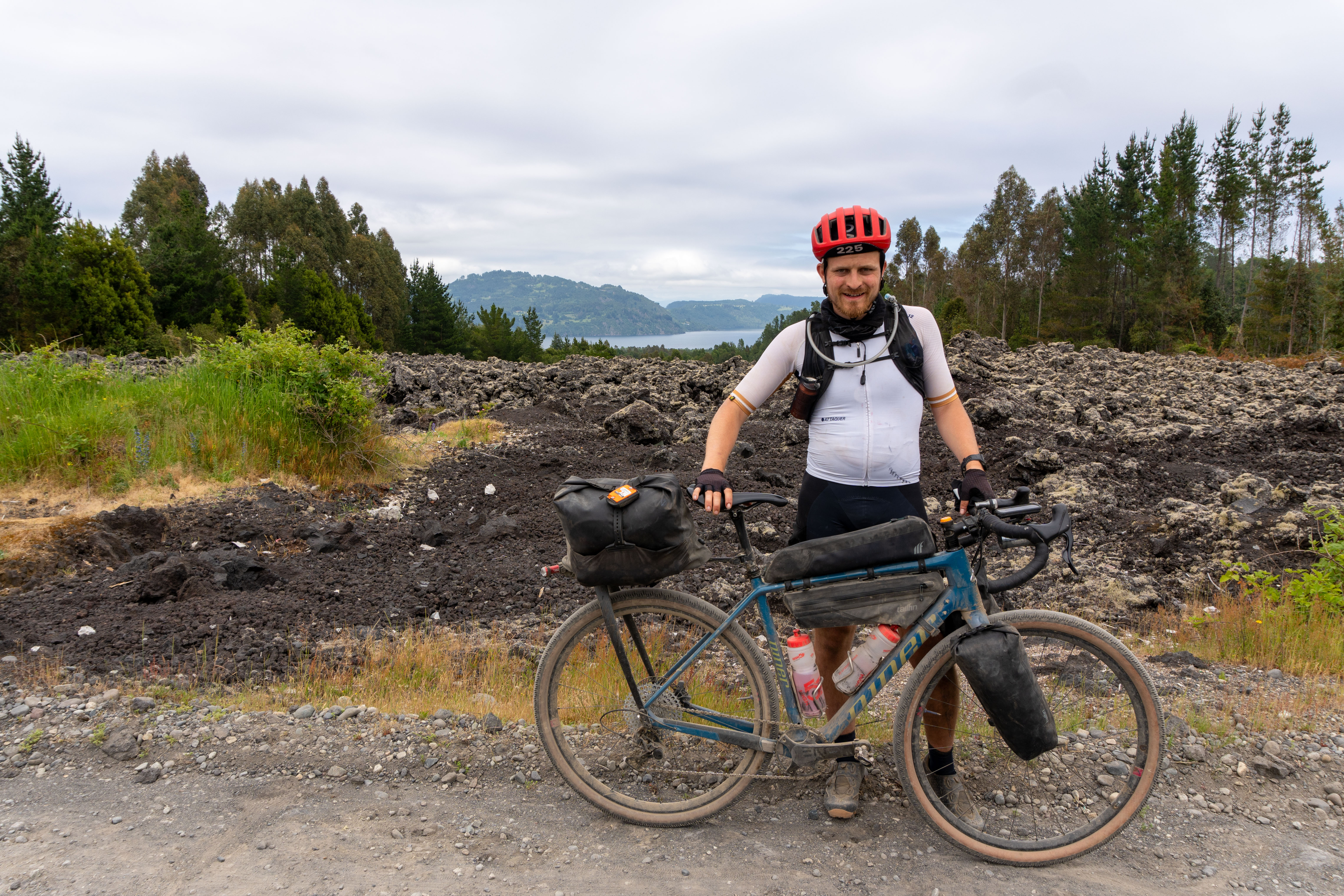
It was only after I’d stopped for a much-needed ice cream with Colombian rider Mario Donadio (cap 209) that I learned that Coñaripe, the town we’d just passed through, had been completely destroyed and rebuilt after an eruption in 1964.
It reinforces the unspoken contract with nature these idyllic settlements have, and it’s encouraging to see how prepared all these Chilean towns are now, with escape routes signposted everywhere and infrastructure to minimise damage.
Just like in my other ultra-races, I felt very run down when I rode the final 100km back to Pucón, despite treating myself to a seven-hour sleep in Panguipulli.
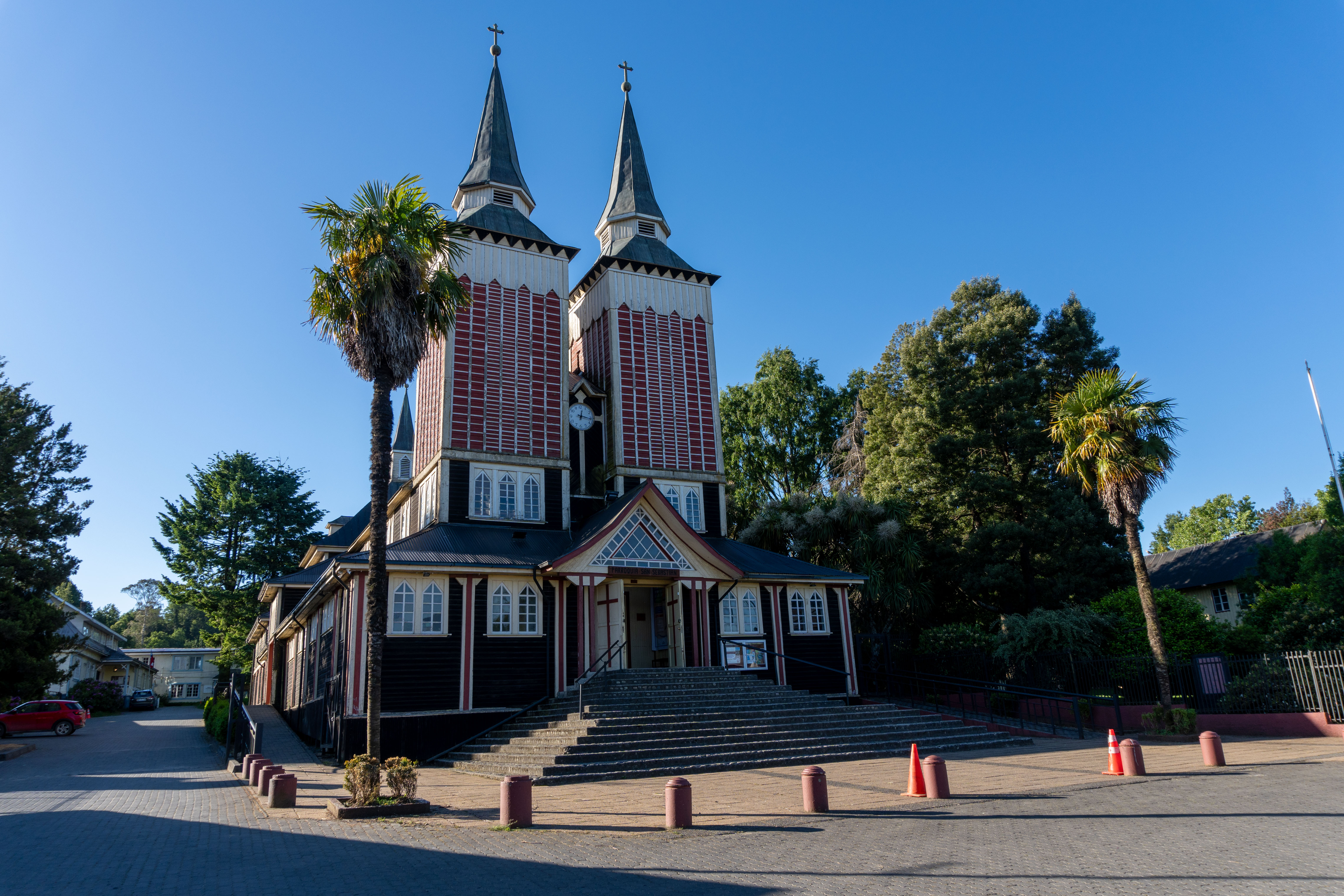
After a lovely breakfast with the generous host at the hotel we both happened to stay in by chance, I rode about 50km with Erika Alvarado (cap 272) but then had to take the last section at my own pace.
There was a prolonged final climb (albeit on tarmac) before descending into Pucón, where I had to pull into a driveway at one point to inhale a sharing bag of crisps because I just had nothing in the tank.
Still, reaching that finish line felt like a real achievement, especially with the trials and tribulations I’d been through and the uncertainty of how that front tyre was going to hold – and kudos to the organisers for choosing a brewpub as the finish!
Far from ideal cuisine
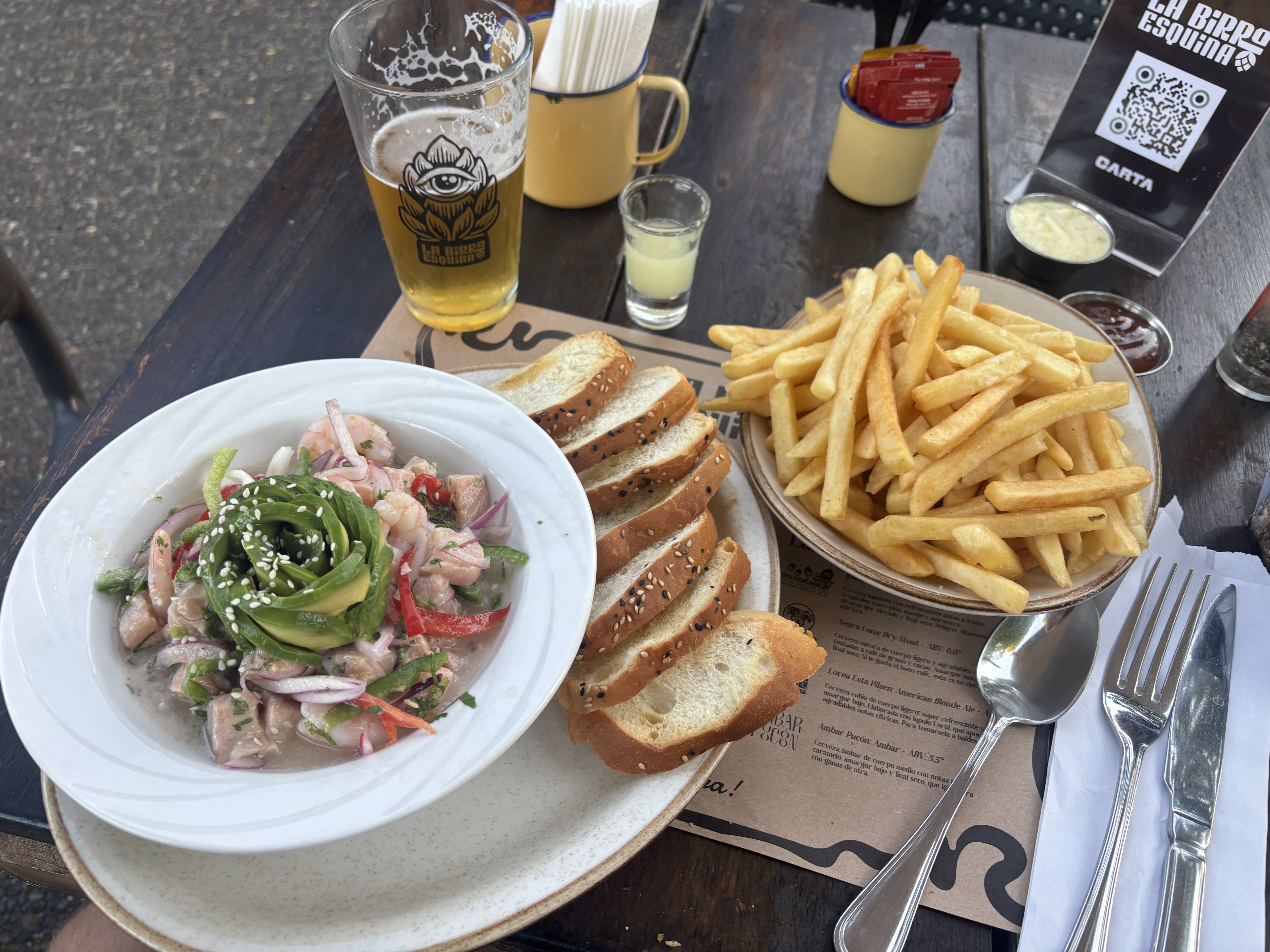
As a general observation, Chile has a very diverse but impressive culinary scene – I’d been travelling for almost three weeks before the race and ate like royalty. But the food on this route was surprisingly sub-par – my hunch is because the environment we were riding in was off the beaten track.
I’ve experienced both extremes on the food spectrum in ultras – I had fantastic meals on Mother North and unpleasant food on Badlands, at least for the first half of it.
You need all the calories you can get on an ultra, and there’s nothing more soul destroying than when your effort isn’t being rewarded with decent grub.
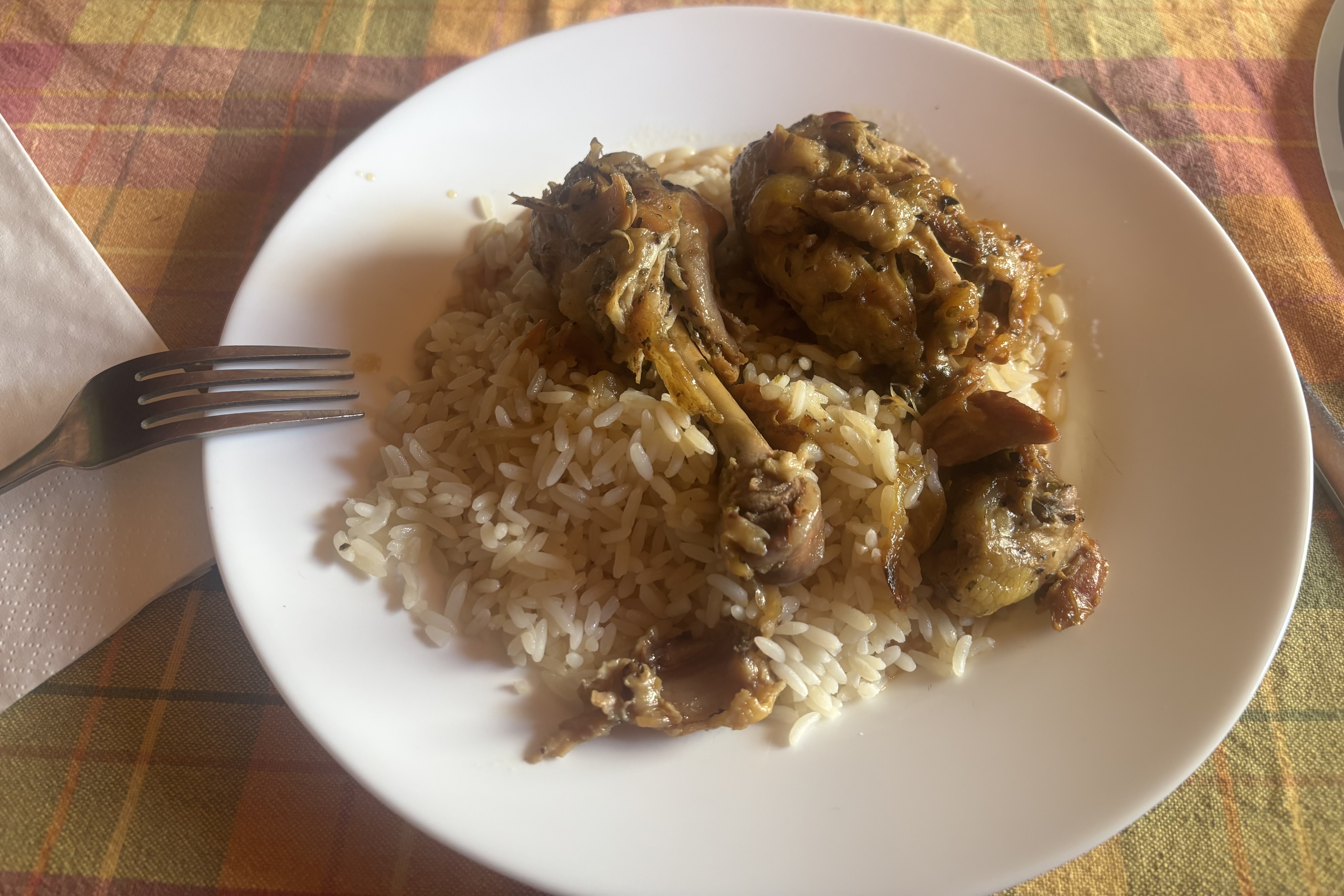
At around 130km into day one, we were directed into an event-organised stop in a house for a rather lean plate of chicken and rice, which didn’t help rejuvenate my engine.
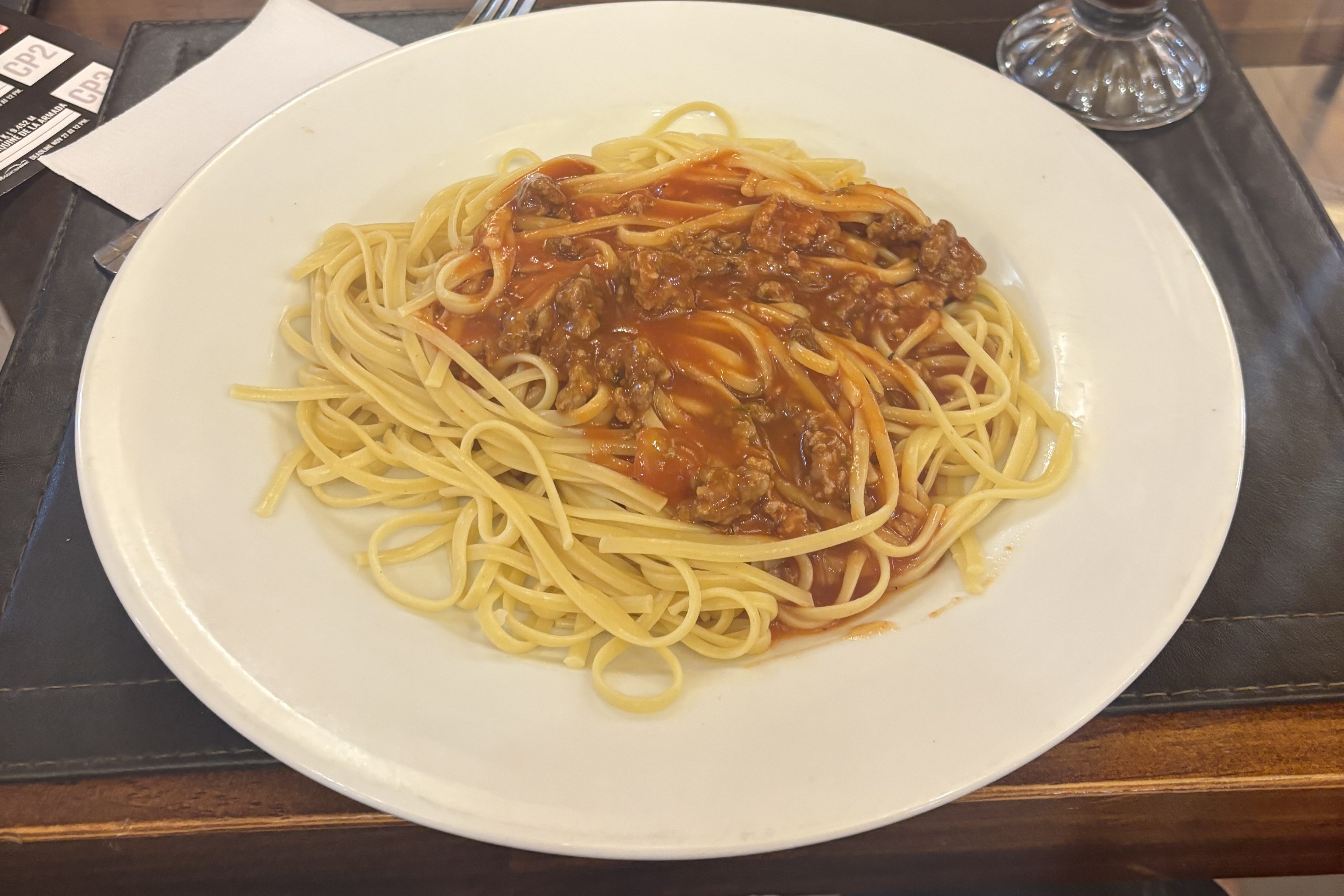
Apart from Checkpoint 2 where I had a decent-enough salmon and chips, the food at the checkpoints was underwhelming. I had a rather uninspiring spaghetti at Checkpoint 1, which wasn’t the needed pick-me-up after such a brutal first day, and the food at Checkpoint 3 (which I’d been looking forward to on the promise of there being thermal springs) was a joke.
A common Chilean snack is a Churasco Italiano – a thin piece of steak served in a burger bun, with avocado, tomato and mayonnaise on top (the colours of these matching the Italian flag, hence the name), or a Completo, which is identical, albeit with a sausage and hot dog bun.
While I like a steak as much as the next person, the quality of meat used in the ones I had was tough as an old boot and I didn’t think these ingredients paired well with it.
The lesson I learned (and my advice to those riding Across Andes in 2026) is don’t eat at the checkpoints – go elsewhere in town, although you won’t have that option for Checkpoint 1.
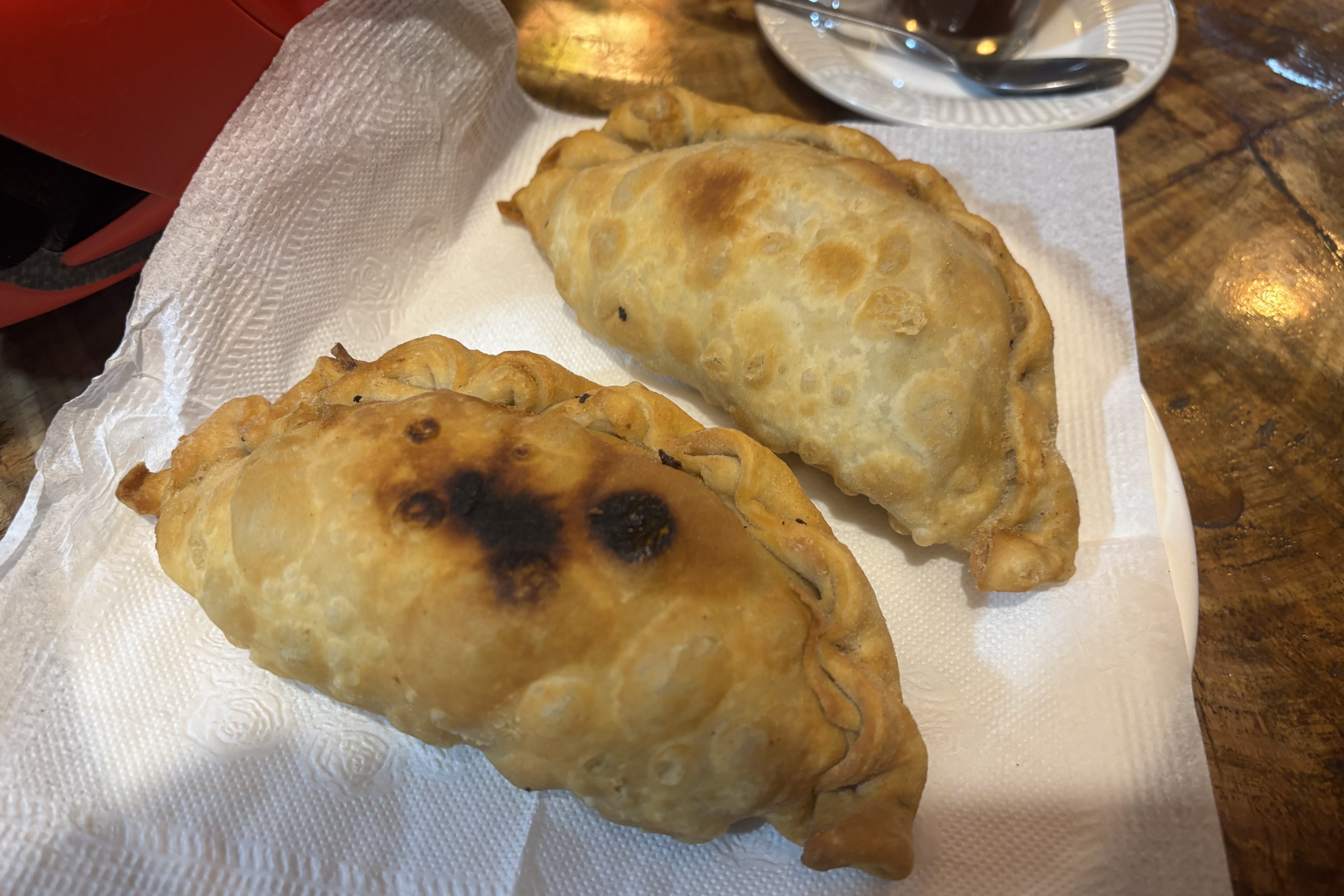
That said, despite the food not being up to scratch, I had what was easily the best empanada I’ve ever had at a roadside cafe run by a delightful family on the penultimate day about 20km after Villarrica.
Sleep strategy
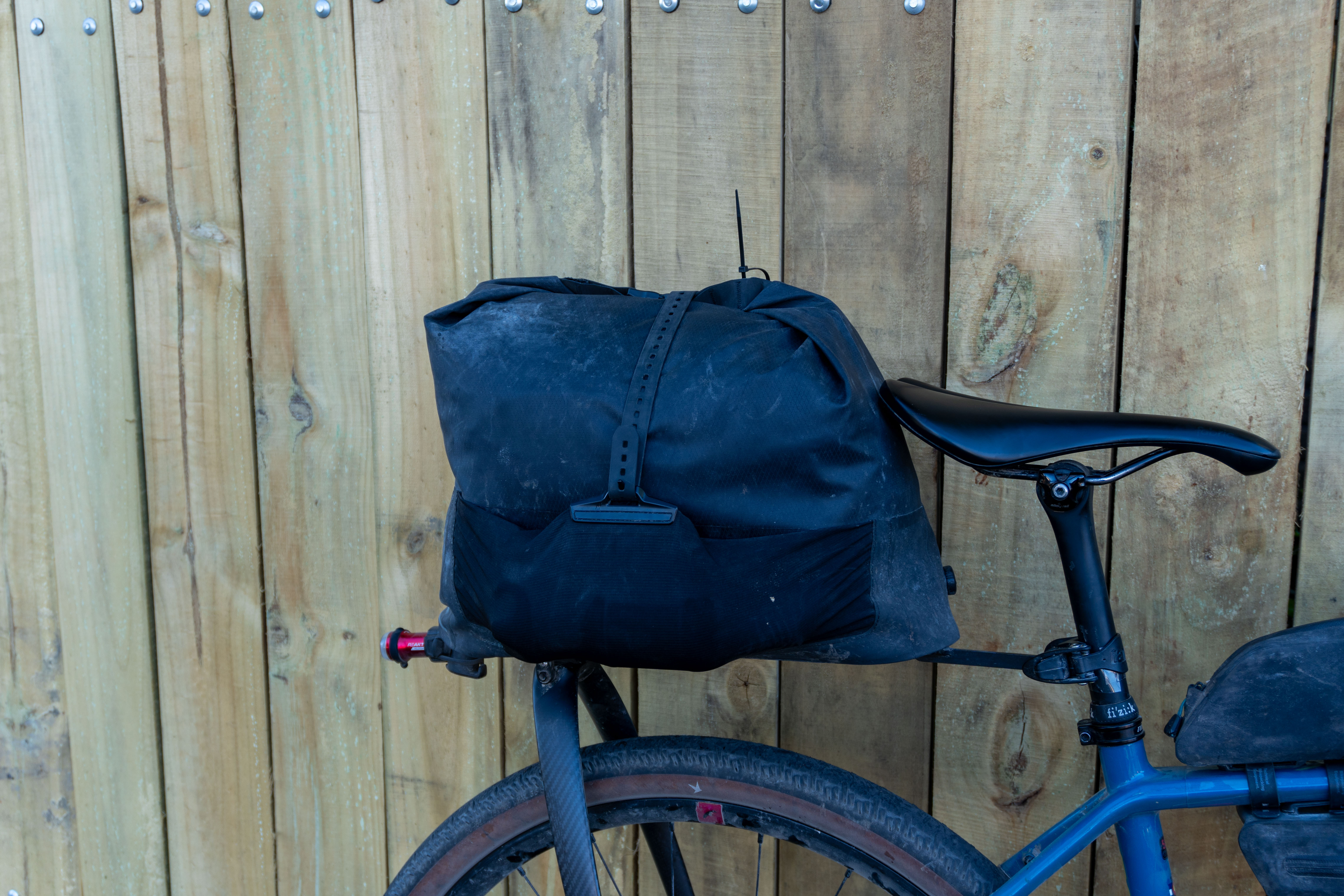
Another area where I could have improved was this was my first race where I didn’t pack optimally – I didn’t need any of my sleeping kit because I managed to find a bed every night, nor did I need any of my waterproof gear (although the latter is never a given).
It just so happened that the way I rode my race was well timed with the checkpoints – and I’d always advise take a warm bed over bivvying or camping on the trailside in an ultra-race.
I’d have loved to have had a night under the stars, and I could have done on the last night, but I didn’t see the point of using all my gear for one night with all the post-race clean-up that would entail.
A bucket list experience
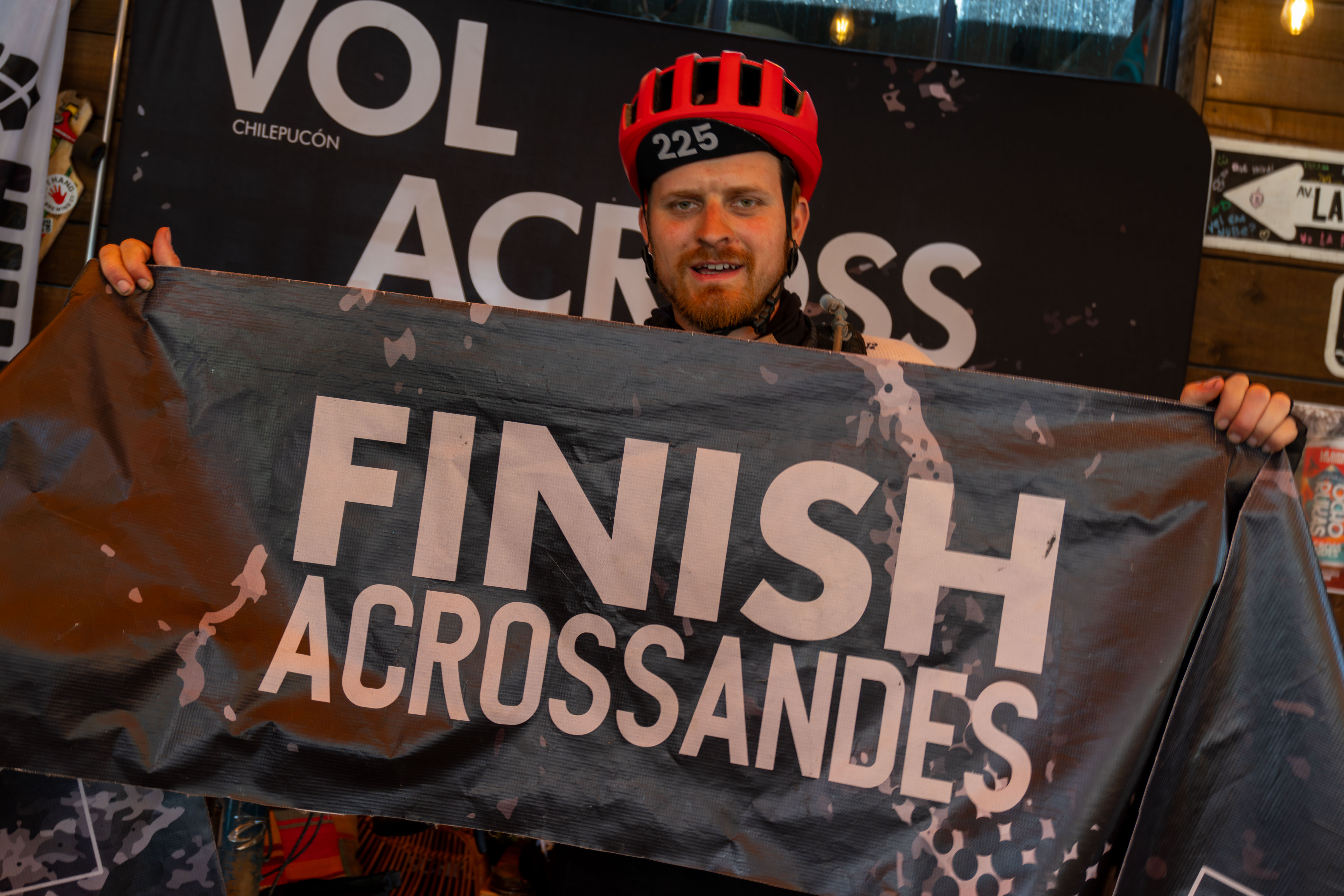
Although I underestimated just how challenging Across Andes would be, this race proved an enriching experience and I think it’s my favourite to date.
The unspoilt scenery is just astounding and I love the laid-back and friendly Chilean culture, where everyone’s willing to help each other.
What makes this race so tough are the hilly first 500km that leave your legs completely empty for the final run to the finish, and the wanting conditions of the gravel roads that violently shake your body.
Throw in the scorching heat and you’ve got a battle that requires a lot of juggling to emerge victorious.
Would it have been as tough without the hot weather? Yes, on account of those testing climbs and terrible surfaces.
Across Andes taught me not to judge how tough a race will be based on figures – there wasn’t much in it, but I’d say this was a touch harder than Mother North, which was 200km longer and had almost 5,000m more elevation. But it wasn’t as troublesome as Seven Serpents or Badlands, which remain in pole position for difficulty.
I also learned I need to take things easy before a race – I’d squeezed in a lot of sightseeing in the lead up to it, which meant I wasn’t as rested as I should have been.
My only real qualm is that the $600 entry fee is very expensive, and this seems to be a theme with South American ultra-races. That said, I suppose that went towards the organised checkpoints and the fact there was a medic car patrolling the route – luxuries I didn’t have on my previous races.
Still, Across Andes is a fantastically curated route and if finances allow, I’d love to return in 2027 or 2028 when it moves to a new course to explore a new region of this breathtaking country.